
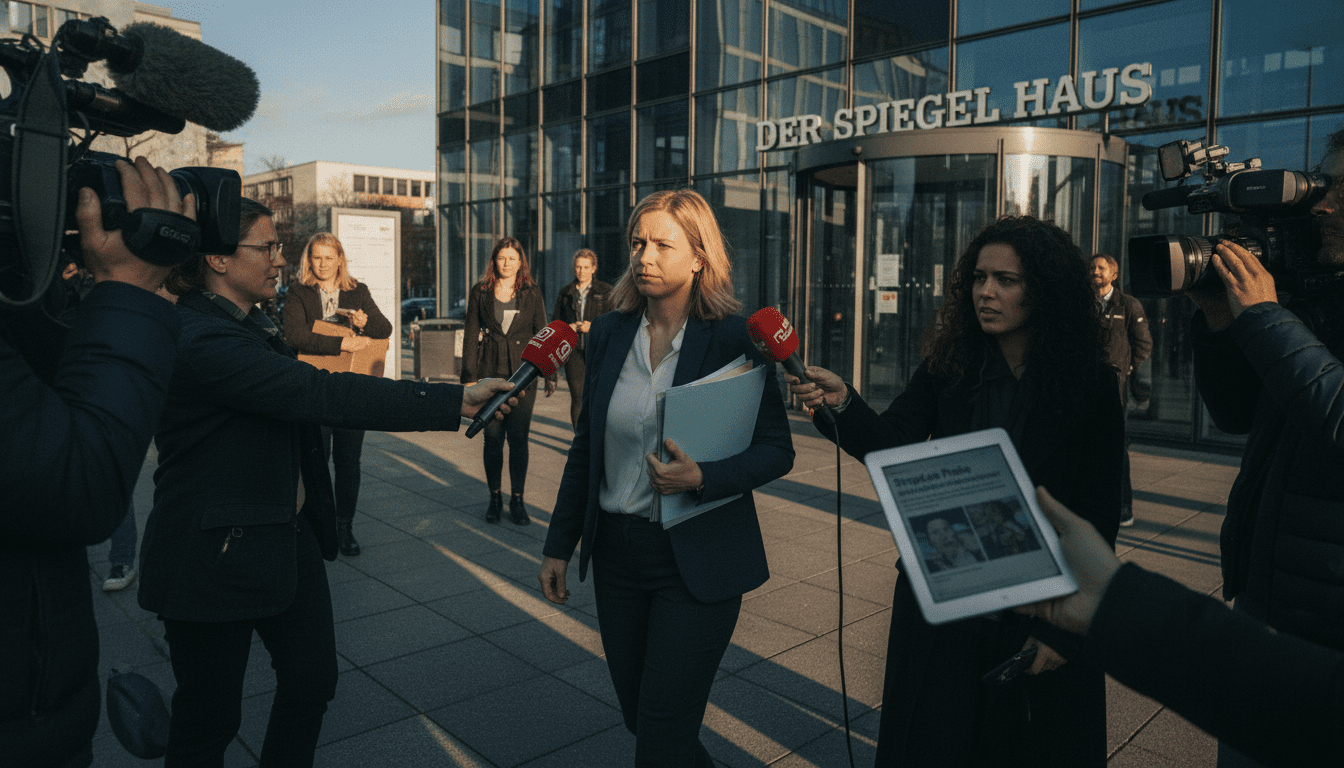
Der Spiegel Probe into The Female Company Raises Questions About Activist Branding and Workplace Conduct
Der Spiegel reports alleged assault and other accusations against The Female Company, prompting scrutiny of its activist marketing and workplace culture.
The Female Company, a German brand known for selling menstrual products through activist-minded public relations, is the subject of a Der Spiegel investigation that raises questions about the gap between the company’s marketed values and its internal practices. Der Spiegel’s reporting details an alleged assault and additional accusations that former and current sources described to the magazine. The reporting has prompted renewed public attention on how values-driven brands manage conduct, oversight and transparency.
Allegations Detailed by Der Spiegel
Der Spiegel’s reporting centers on a report of an alleged physical assault connected to the company and a set of other accusations concerning workplace behavior. The magazine says its investigation is based on interviews, internal documents and accounts from people who described incidents and patterns they found troubling. Those interviewed framed the allegations as indicative of a broader tension between the company’s public messaging and the realities reported by staff and associates.
The reporting does not present a legal finding, and the allegations remain contested and unproven in a court of law. Multiple people spoken to by the magazine reportedly described the same underlying concerns, which the piece characterizes as more than isolated complaints. The coverage emphasizes that the allegations raise questions about accountability at a firm that has built its reputation on social causes.
Evidence and Reporting Sources
Der Spiegel describes using a range of materials in compiling its story, including interviews with former and current employees and documents it says corroborate certain accounts. The magazine’s methodology, as summarized in the coverage, aims to trace patterns rather than rely on a single testimony. Reporters note limitations and emphasize where claims are described as allegations rather than established facts.
Independent verification of every detail reported by the magazine is not presented in the coverage, and several elements remain subject to further inquiry. Where appropriate, the reporting frames contested points as disputed, reflecting standard investigative practice when dealing with sensitive allegations. The piece positions its findings within that investigative context and invites scrutiny of both the claims and the responses they elicit.
Marketing as Activism Under Scrutiny
The Female Company has marketed itself heavily on progressive values and sustainability, using activist-style public relations to sell menstrual products to a socially conscious consumer base. That branding strategy is central to the story: a company that foregrounds ethics and advocacy now faces scrutiny about whether those principles are upheld internally. Observers say this kind of credibility gap can be especially damaging for brands that trade on moral authority.
Experts in corporate communications note that activist marketing binds a company’s public identity closely to its internal conduct. When accusations arise, critics argue, the reputational fallout can be swift because consumers expect authenticity from purpose-driven brands. The unfolding scrutiny of The Female Company highlights the risks that accompany a values-first positioning in a crowded marketplace.
Accounts from Current and Former Staff
Former and current staff cited in the reporting describe a range of experiences that they say run counter to the company’s public image. Some sources spoke of management decisions, workplace dynamics, and incidents they found inconsistent with the company’s stated commitments. The magazine presents these accounts as part of a mosaic suggesting systemic problems rather than isolated lapses.
At the same time, other employees and supporters have defended the company’s mission and pointed to its work in destigmatizing menstruation and expanding product options. The diversity of accounts underscores the challenge faced by investigators and the public in drawing definitive conclusions about an employee culture that, like many fast-growing startups, may be complex and evolving.
Legal and Corporate Governance Questions
The allegations reported raise potential questions for legal authorities, regulators and the company’s corporate governance structures. Where alleged misconduct intersects with employment law or criminal statutes, the matter may warrant formal investigation by appropriate authorities. Observers say board oversight, complaint-handling mechanisms and independent review processes are areas companies facing such scrutiny must address to restore trust.
For values-driven businesses, governance questions take on particular significance because ethical commitments are often central to the brand promise. Stakeholders and consumers increasingly demand transparent policies for reporting and investigating internal complaints, and the presence or absence of such mechanisms can influence whether a company weathers reputational storms.
Industry and Consumer Reactions
The coverage has prompted responses from consumers, industry watchers and competitors who follow how values-led brands navigate crises. Some shoppers say they will watch closely for official responses and concrete reforms before deciding whether to continue purchasing from The Female Company. Others argue that swift, transparent action could help the company repair trust more effectively than denials or delays.
Brands across the consumer goods sector are monitoring the situation for lessons on crisis management and the limits of activist branding. The incident illustrates how rapidly reputational issues can spread in the digital age and how consumer expectations about corporate behavior are shifting toward demanding accountability as well as advocacy.
The Der Spiegel investigation into The Female Company has put a prominent menstrual-products brand under public scrutiny, highlighting tensions between activist marketing and internal accountability. As the report circulates, stakeholders will likely press for clearer answers, and the company faces a choice about how to respond publicly and operationally to the allegations.
