
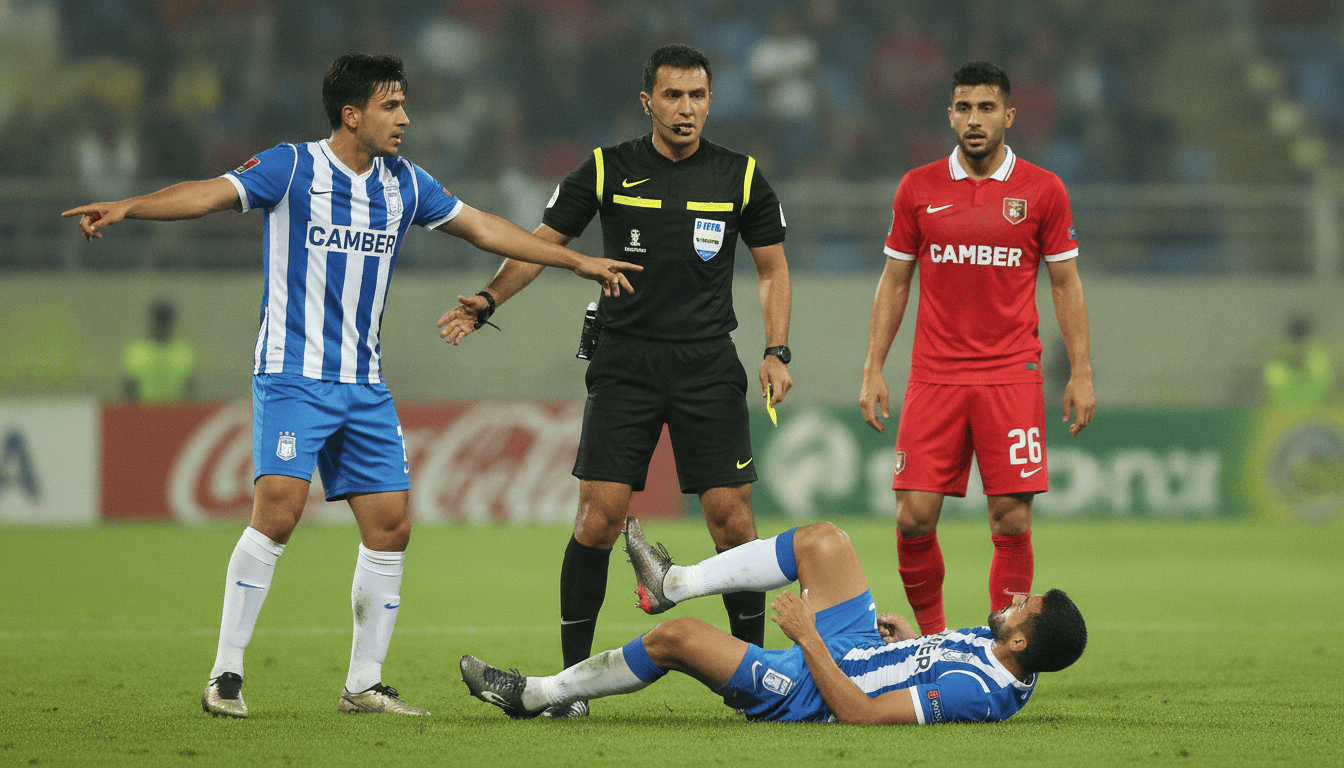
World Cup Day 25: Referee Ilgiz Tantashev Faces Backlash After Paraguay–France Match; Ex-European Champion Backs Oliver Kahn for DFB
Referee controversy on World Cup Day 25 drew fresh scrutiny as Uzbek official Ilgiz Tantashev was accused of failing to sanction repeated unsporting behavior by Paraguay against France, prompting criticism from television analysts and players. The incident dominated discussion alongside an unrelated intervention by a former European champion who publicly urged the German Football Association (DFB) to consider Oliver Kahn for a leading role. This dual storyline shaped a contentious, debate-filled Day 25 at the tournament.
Controversy in Paraguay vs France officiating
Television coverage of the Paraguay–France match repeatedly highlighted moments referees allowed rough play to continue without clear punishment. Observers said those decisions shifted momentum and raised questions about the consistency of match control on World Cup Day 25. The perceived tolerance of dangerous or unsporting challenges prompted on-air exasperation from commentators and sparked immediate reaction on social media.
Players from both sides voiced frustration after the final whistle, noting that a failure to apply disciplinary measures can undermine fair play and player safety. Some French players described incidents as “avoidable” while Paraguayan participants denied deliberate wrongdoing, framing some actions as part of the game’s intensity. The differing perspectives underscored how refereeing choices can polarize teams and viewers in high-stakes tournament settings.
Reactions from broadcasters and former players
Live broadcasters and former internationals criticized the lack of clear punitive action during key sequences, saying officials missed opportunities to calm an escalating physical tone. Analysts repeatedly replayed fouls that, in their view, warranted yellow cards or stronger deterrents, arguing that decisive calls early in the match might have prevented further incidents. The broadcast narrative framed the officiating as a central storyline of World Cup Day 25 rather than a secondary talking point.
Former players on air also emphasized the matchmaking role of referees — managing tempers as well as enforcing rules — and suggested procedural improvements for handling repeated unsporting behavior. Their critiques focused on visible patterns of contact and the referee’s signaling, calling for better use of preventive measures. The coverage reflected a broader appetite among pundits for clearer accountability mechanisms at high-profile tournaments.
Ilgiz Tantashev’s refereeing profile
Ilgiz Tantashev, the Uzbek referee at the center of the debate, has previously officiated international matches and regional competitions, building experience that led to his World Cup appointment. Tournament referees are evaluated continuously, and any high-profile controversy typically triggers official review by the governing body. That process includes assessment of match footage, assistant reports and the use of VAR where applicable.
Officials with tournament oversight monitor referees for consistency and application of the Laws of the Game, and controversial decisions often prompt internal feedback and potential retraining. Sources close to refereeing committees say scrutiny intensifies during knockout phases and critical group-stage fixtures because of wider implications. The spotlight on Tantashev now places his performance under immediate evaluation by FIFA-appointed referee assessors.
Calls for accountability from FIFA and national associations
Following the match, national associations and fan groups urged tournament organizers to clarify how incidents were judged and whether existing disciplinary pathways were followed. Some stakeholders requested transparent communication from the match review panel about the rationale for allowing certain plays to continue unpunished. The debate on World Cup Day 25 revived long-running questions about refereeing consistency and the interpretive space officials exercise in real time.
FIFA’s standard response to such episodes typically includes public statements if retrospective action is taken and confidential feedback to the referee in question. The governing body also has the authority to issue sanctions or mandate further training when patterns of concern emerge. Observers noted that transparency in post-match assessments can help restore confidence among teams and audiences.
Former European champion urges DFB to select Oliver Kahn
In a separate development that captured attention in Germany, a former European champion publicly recommended the German Football Association consider Oliver Kahn for a prominent leadership role. The endorsement arrived amid ongoing debate about the DFB’s strategic direction and personnel choices. Supporters pointed to Kahn’s high-profile stature in German football and his experience within elite sporting environments as factors in the recommendation.
Kahn, a former national team goalkeeper and club captain, has remained a visible figure in the sport through media work and organizational involvement. Advocates for his appointment argue that his leadership profile and public recognition could bring credibility and clear identity to the DFB if selected. Critics caution that celebrity alone does not guarantee administrative success and stress the importance of governance experience and strategic vision.
Potential implications for German football governance
Discussion within German football circles has focused on whether a high-profile figure like Kahn could bridge public expectations and the technical demands of football administration. The DFB faces complex decisions about professional management, stakeholder engagement and the balancing of sporting priorities. Endorsements from respected former champions influence public discourse, but any appointment process will likely consider broader qualifications and long-term plans.
Observers expect the DFB to weigh electoral procedures, internal governance rules and candidate portfolios before making personnel moves. The endorsement reported on World Cup Day 25 added fuel to an already active debate about leadership and reform. It also highlighted how high-profile tournaments and related commentaries can intersect with domestic football politics.
The events of World Cup Day 25 — from the refereeing controversy that dominated the Paraguay–France narrative to the domestic debate over potential DFB leadership choices — illustrate how a single tournament day can generate multiple, consequential storylines.
