
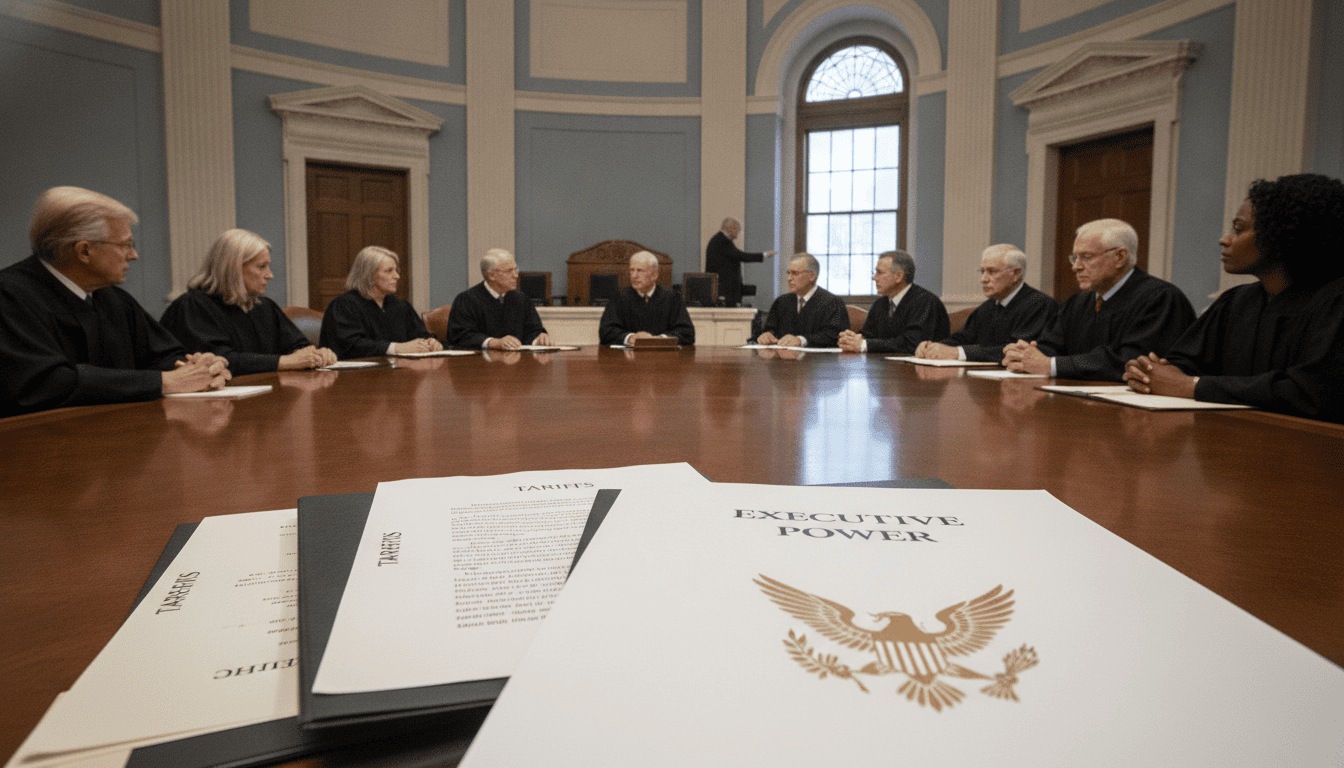
Supreme Court term delivers mixed verdicts for Donald Trump while widening executive reach
Supreme Court term leaves President Trump with mixed outcomes, blocking some policies yet expanding executive authority and increasing use of the shadow docket.
The Supreme Court term ended with a string of high-profile decisions that produced both setbacks and gains for President Donald Trump, reflecting a 6–3 conservative majority that continues to reshape executive power. The court rejected several of the administration’s most ambitious economic and immigration initiatives while simultaneously issuing rulings that broadened presidential control over executive agencies. Legal scholars say the result is a complex balance: tactical defeats amid doctrinal shifts that may strengthen future administrations’ authority.
Major economic and electoral rebukes
The court delivered clear losses on several flagship initiatives, notably striking down the administration’s reciprocal tariffs plan and curbing efforts to reassign powers reserved for Congress. Justices also blocked attempts to prevent states from counting mail-in ballots received after polls closed in federal elections, handing a win to voting rights advocates. Those rulings limited the White House’s reach on economic policy and electoral administration for the coming cycle.
Federal Reserve independence upheld
Justices affirmed procedural protections for independent agencies, ruling that the president must observe statutory steps before removing certain officials. The decision preserved the Federal Reserve’s safeguard against unilateral dismissals and set a procedural bar for attempts to remove board members. The ruling underscored the court’s willingness to check executive action when Congress has established protective frameworks for agencies.
Greater presidential control over agencies
At the same time, the court issued a consequential ruling clarifying that the president may remove heads of agencies even when statutes label them as independent, signaling broader presidential authority over the executive branch. Legal observers described the decision as a significant doctrinal shift that will empower future presidents to reshape executive operations and staffing. Combined with earlier precedents granting wide immunity for official acts, the development marks a notable expansion of institutional control at the top of government.
Immigration rulings split outcomes
Immigration was a field of mixed results, as the justices blocked a bid to end birthright citizenship while endorsing other restrictive measures favored by the administration. The court rejected the claim that the 14th Amendment permits the president to unilaterally strip citizenship for children born on U.S. soil, yet it upheld broader executive discretion on Temporary Protected Status and returned to the administration the authority to turn away some asylum seekers at the border. The suite of decisions leaves substantial policy authority with the presidency while preserving certain constitutional guardrails.
Campaign finance and political spending decision
In a ruling with immediate political consequences, the court sided with plaintiffs challenging limits on electoral spending, effectively allowing major donors to make larger contributions to political parties. The decision removes a barrier that critics had argued constrained political speech and will materially affect how parties raise and deploy funds ahead of federal contests. Analysts expect the ruling to intensify debates over money in politics and prompt fresh litigation and legislative proposals.
Shadow docket continues to influence outcomes
The court’s growing use of the shadow docket—unsigned, expedited orders issued without full briefing or published opinions—played a prominent role in the term’s practical results. That route allowed the justices to lift lower-court injunctions and enable immediate policy steps long before merits review concluded. Data compiled by independent analysts shows the court issued a higher number of shadow-docket orders in the most recent term than on its merits docket, a trend that has increased the pace and uncertainty of high-stakes legal contests.
Legal experts say the shadow docket’s opacity can have outsized effects, because short orders often reshape policy implementation without exposing the court’s reasoning. Critics call for greater transparency and more uniform standards for emergency relief, while defenders argue the mechanism is necessary to resolve urgent issues quickly.
The term’s mixed verdicts have prompted divergent reactions from political and legal communities. Some conservative advocates hailed decisions that reinforced executive authority and removed constraints on administrative control and campaign finance. Conversely, critics warned that the court’s rulings, especially those expanding presidential removal power and relying on the shadow docket, could erode statutory protections and unsettle long-standing legal norms. Several scholars forecast prolonged litigation over core constitutional questions, particularly regarding citizenship and the separation of powers.
The Supreme Court term produced a mosaic of outcomes: several high-profile blocks on the president’s policy agenda alongside doctrinal shifts that empower the executive branch in lasting ways. As lawmakers, litigants and advocacy groups react, the rulings are likely to shape political strategy and legal arguments for years, ensuring the court remains central to disputes over the scope of presidential authority.
