
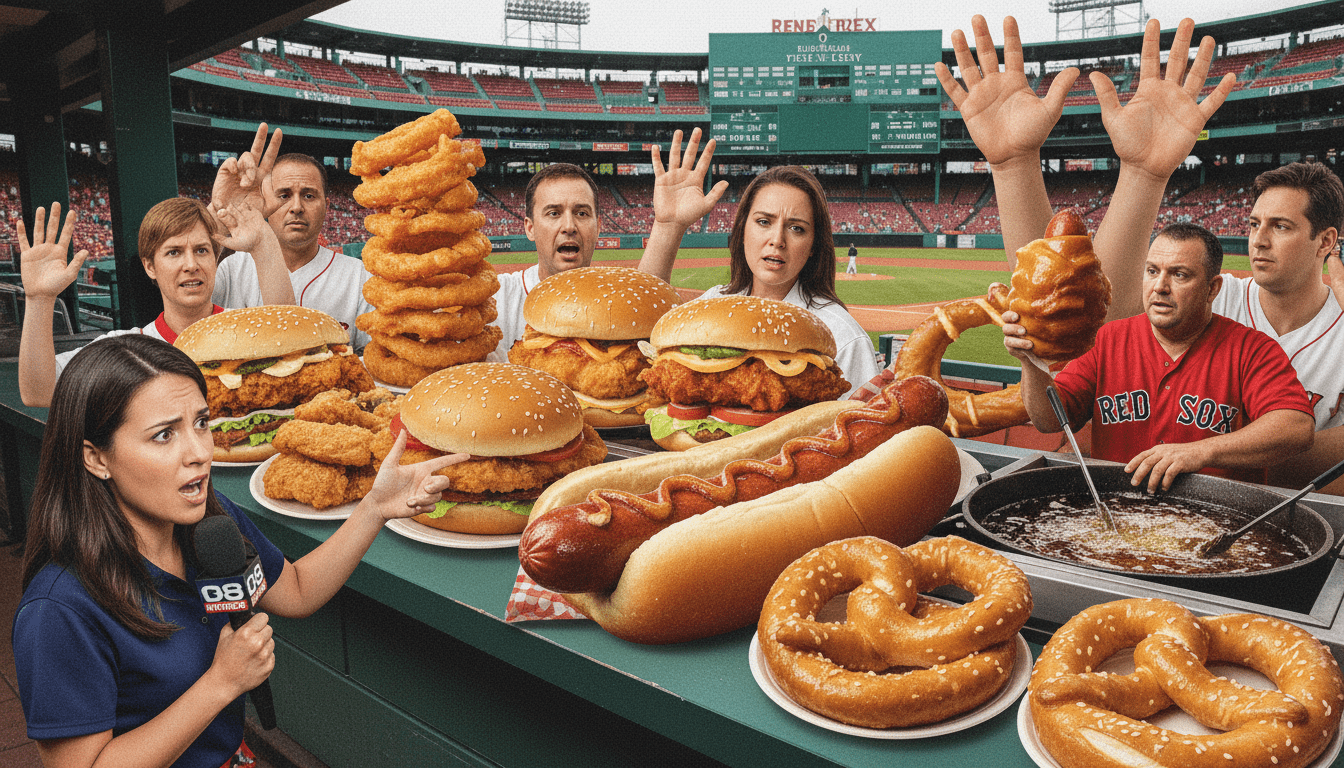
Extreme MLB concession items spark debate as stadiums roll out oversized food
MLB’s new season brings extreme baseball stadium food: fried ‘chow mein’ burritos, monster burgers, 3,000-calorie shakes and ‘9-9-9’ eating challenges.
Opening paragraph summarizing the news event and keyword
Major League Baseball stadiums across the United States have opened the season with an array of oversized concession offerings that are drawing attention and criticism. The surge in extreme baseball stadium food ranges from deep-fried fusion burritos to gargantuan burgers and dessert shakes that top several thousand calories. Fans and critics alike are debating whether these items are spectacle, marketing or a health concern as teams promote novelty menus to boost attendance and revenue.
Dodger Stadium’s deep‑fried ‘Chow Mein Burrito’ triggers backlash
A recently introduced fried burrito at a Los Angeles ballpark has become a flashpoint in the conversation about stadium food. The item features an Asian‑style noodle and chicken filling wrapped in a large tortilla and submerged in hot oil until it sits in a pool of grease, prompting vocal disapproval from some fans and public commentators.
Team concession operators say novelty items are designed to generate excitement and social media attention, but detractors argue the presentation and caloric density cross a line. Stadiums face a balancing act between providing memorable fan experiences and responding to growing scrutiny over portion sizes and food quality.
Clubs compete with XXL burgers, folded ‘machetes’ and giant hot dogs
Several franchises have escalated the arms race in stadium concessions with creatively named, oversized entrees that aim to become must‑try items. One team debuted an 18‑centimeter “Bat Flip” burger stacked with multiple pounds of meat and cheese, while another rolled out a 60‑centimeter dough parcel shaped like a blade and stuffed with carne asada and cheese.
Other entries include a foot‑long hot dog topped with mac and cheese and a dual‑filling sandwich split between smoked beef and breaded chicken. These items often prioritize visual impact and indulgence, with vegetables used mainly as garnish rather than substantive accompaniments.
Sweet and savory mashups push calorie counts to extremes
Beyond main courses, concession stands are offering hybrid treats and towering desserts that blur culinary boundaries. Vendors have marketed pizza‑donuts, chicken‑themed desserts that mimic wings in appearance, and a Phoenix‑area milkshake loaded with candy bars, cookies, waffles and popcorn that concession operators estimate at around 3,000 calories.
Such creations are promoted as limited‑time curiosities that sell quickly on opening days, but public health advocates warn they normalize excessive consumption. The spectacle of extravagant sweets and savory mashups plays well on social feeds, ensuring rapid spread and often swift sellouts.
Competitive eating culture influences ballpark promotions
The crossover between professional eating contests and mainstream concessions is increasingly visible at baseball parks. Competitive eating has long been a public spectacle, with annual contests drawing wide attention and repeat champions who post astonishing consumption figures in short intervals.
This relationship informs stadium promotions such as a multi‑stadium “9‑9‑9” challenge that asks fans to consume nine hot dogs and nine beers across nine innings for a fixed price. Organizers frame such challenges as entertainment, but critics say they commodify excess and encourage risky eating practices in a celebratory setting.
Fan reactions and club strategies vary across markets
Response to the oversized offerings has been mixed among ticket‑holders, with some embracing the novelty as part of the live experience and others expressing concern over price, taste and nutrition. Social media has amplified both enthusiastic photos of outrageous items and sharp critiques that frame the menus as emblematic of unhealthy food culture.
Clubs and concession partners emphasize experimentation and revenue generation, noting that limited runs and seasonal rotations reduce long‑term menu commitment. Still, the visible trend toward spectacle‑driven food has prompted calls for clearer calorie labeling and more balanced options at stands.
Public health advocates urge transparency and moderation
Nutrition experts caution that promoting extremely calorie‑dense items in venues attended by families and children can contribute to unhealthy eating habits. They recommend that stadium operators offer prominent nutritional information, portion‑controlled alternatives and lower‑cost healthy choices alongside novelty items.
Some cities and venues have previously explored restrictions or voluntary limits on portion size and marketing to minors, and public health groups say those conversations should continue as teams innovate on concession menus. Accountability, they argue, need not ban indulgence but should ensure consumers know what they are buying.
Final paragraph without a title
As the season progresses, baseball stadium food is likely to evolve further as teams test new concepts and respond to fan demand and criticism. Whether the trend settles into a rotation of occasional spectacle items or prompts broader menu reforms will depend on consumer appetite, media attention and policymaker engagement in the months ahead.
