
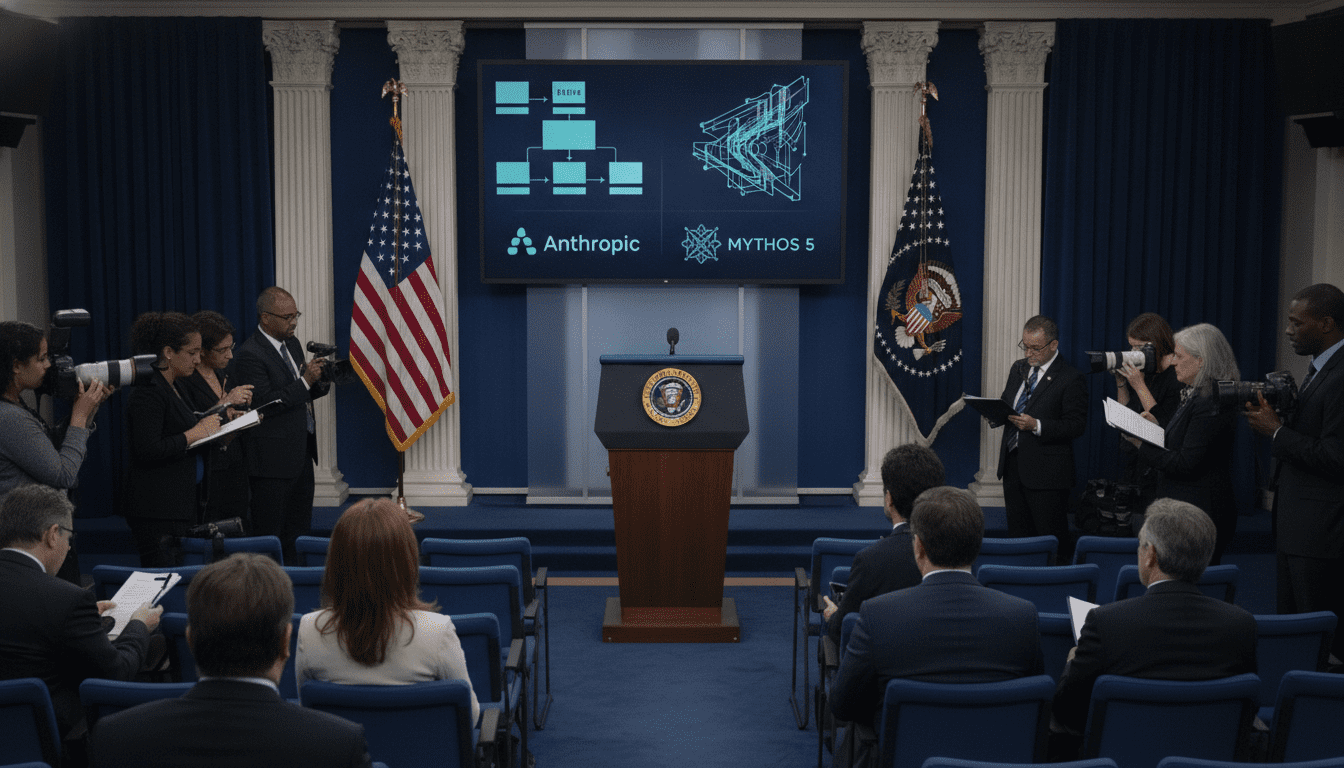
Anthropic export controls: US bars foreign access to Fable 5 and Mythos 5
US export controls block foreign nationals from using Anthropic’s latest Fable 5 and Mythos 5 models, citing national security and a reported potential jailbreak.
The United States has issued an export control directive that bars foreign nationals from accessing Anthropic’s newest models, Fable 5 and Mythos 5, a move the company says was taken on national security grounds. The directive requires Anthropic to disable the two models for all customers while it complies, immediately interrupting access to the company’s most advanced systems.
Scope of the US export control order
The order, according to Anthropic, prohibits access by any foreign national whether they are inside or outside the United States, including foreign national employees of Anthropic. The company said the action was communicated to it under national security authorities and that it had received only verbal evidence of a potential narrow, non-universal jailbreak.
Anthropic announced it would disable Fable 5 and Mythos 5 while other models remain available, and it said it disagrees that a narrow potential jailbreak warrants recalling a commercial model deployed to large numbers of users.
Government rationale and reported intelligence
Reports in US media cited suspicions that a China-linked group may have accessed Anthropic’s new model, prompting the order. An adviser to the president publicly described steps the government took after receiving a warning that Fable 5 could be jailbroken and said Anthropic was notified but did not immediately remediate the issue.
The Pentagon’s chief information officer publicly affirmed support for prioritizing national security in the matter, framing the decision as a necessity that supersedes commercial considerations. Government officials have not provided detailed public evidence beyond the accounts cited in media reports.
Which models and risks are involved
Anthropic’s Fable 5, built on the company’s Mythos technology, and Mythos 5 are the models specifically restricted by the order. Reuters and other reporting have highlighted concerns that sophisticated generative models, if leveraged by hostile actors, could accelerate cyberattacks and expose vulnerabilities in critical sectors such as finance and infrastructure.
Anthropic has maintained that rival models show similar capabilities to surface minor code bugs and asserted it worked with government partners on safety prior to launching Fable 5. The company also characterized the government’s evidence as narrow and disputed the proportionality of a sweeping access restriction.
Legal and commercial confrontation with the US administration
The export control order follows months of escalating tensions between Anthropic and the Trump administration, including the company’s placement on a supply chain blacklist after refusing certain military uses of its models. Anthropic is currently litigating against government actions it says overreach by conditioning technology on military use.
By imposing export controls that restrict who may use US-developed software, the administration has deepened a legal and commercial rift, forcing Anthropic to choose between compliance and further legal challenges. The order’s broad “foreign national” criterion raises questions about enforcement and potential impacts on international employees and collaborators.
Impact on research institutions, companies and foreign workers
The directive is likely to complicate collaborations between Anthropic and academic or corporate research partners outside the United States by cutting off access to the newest tools. Institutions that integrated Fable 5 or Mythos 5 into workflows will face a sudden loss of capabilities, and foreign nationals working in the US on visas may also be excluded from using the models.
Analysts and industry users warned that the restriction could slow research and development in fields that rely on cutting-edge large language models. Some companies that embedded Anthropic technology into products and services for efficient data analysis will need to reconfigure or pause those integrations while the models remain disabled.
Industry reactions and broader geopolitical implications
Tech-sector commentators criticized the use of nationality as a gating mechanism, arguing it is difficult to enforce and easy to circumvent for determined malicious actors. Others framed the measure as proof that advanced technology has become a strategic tool in geopolitics, pointing to incentives for countries to develop domestic AI capabilities.
Leaders in the tech community urged clearer, evidence-based criteria and technical fixes over blanket bans, while proponents of stricter controls emphasized the priority of national security. Anthropic said it believed there had been a misunderstanding and indicated it was working to restore access promptly.
The export control action marks a significant test of US policy toward regulating advanced software at the intersection of national security and commercial innovation. The immediate outcome is a suspension of access to two flagship Anthropic models; the longer-term effects will depend on the government’s ability to substantiate its findings and on legal and diplomatic negotiations that may follow.
The coming days are likely to bring further statements from government agencies, court filings from Anthropic, and scrutiny from industry partners as stakeholders seek clarity on enforcement, technical mitigations, and how export controls on machine learning models will shape global research and commerce.
