
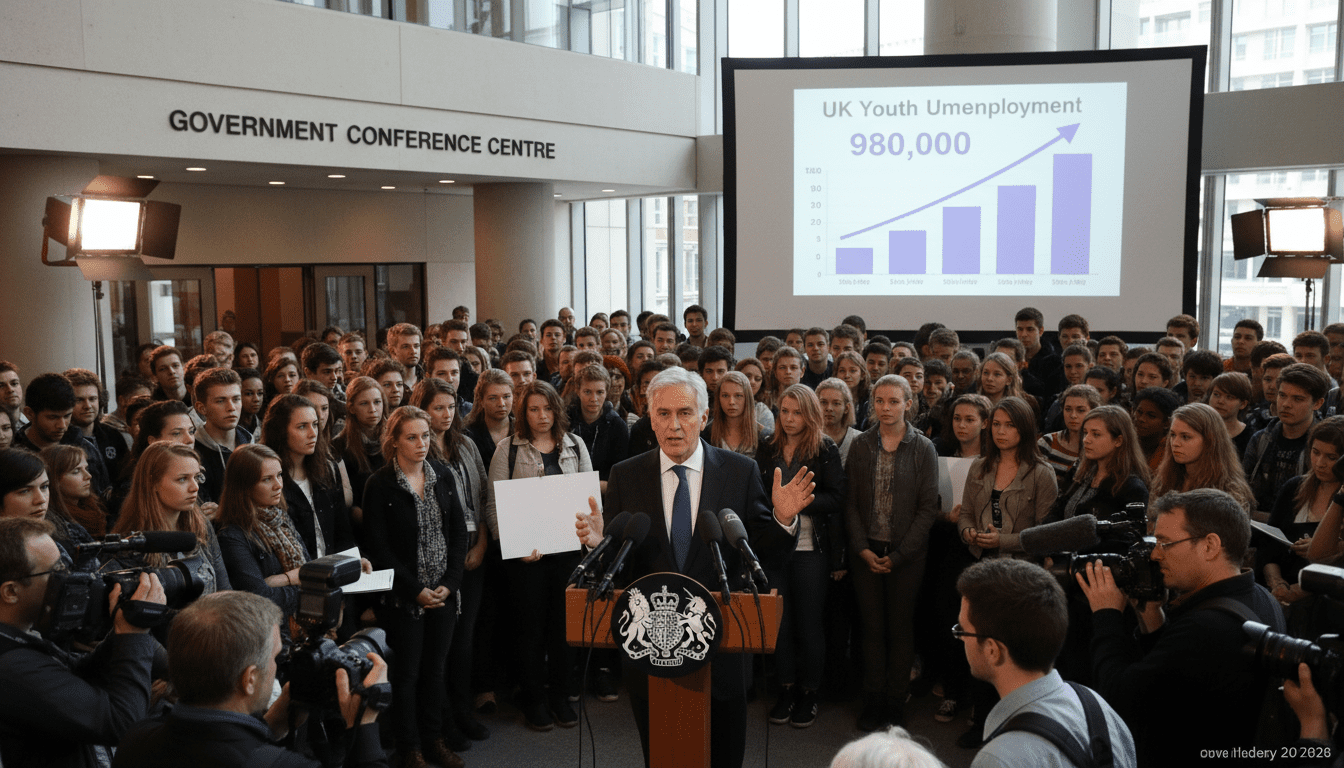
Milburn report warns youth unemployment in the UK nears one million, raising alarm over a ‘lost generation’
Milburn report warns youth unemployment in the UK nears one million, projecting 1.25m NEETs in five years and urging urgent reforms to education, training and wages.
The government-commissioned Milburn report has sounded the alarm on youth unemployment in the UK, finding nearly one million 16-to-24-year-olds are currently not in employment, education or training (NEET). The study warns the figure has risen by roughly 200,000 since 2020 and could reach about 1.25 million within five years if current trends continue. The report frames the problem as systemic, calling for a substantial overhaul of schools, training and health services to prevent long-term exclusion from the labour market.
Milburn report warns of a ‘lost generation’
Former minister Alan Milburn, who led the investigation, described the situation as the risk of a “lost generation” and characterised the pattern as an emerging system failure. His analysis warns that exclusion is becoming entrenched rather than temporary, with social support failing to connect young people to work or training. The report also highlights an imbalance in spending: roughly £25 is spent on social benefits for every £1 invested in employment support for young people.
The report’s projection that NEET numbers could rise to about 1.25 million within five years equates to roughly one-sixth of the current young cohort, according to Milburn’s figures. Such a scale has prompted responses across business and political sectors, with the Confederation of British Industry calling the trend a “tragic waste of potential.” Labour and government figures have acknowledged the seriousness of the findings while debating responses.
Scale and demographics of the NEET increase
Nearly 60 percent of NEETs aged up to 24 have never held a paid job, the report finds, a sharp shift from earlier patterns when more young people had some labour market experience. Among those young people who are unemployed, about one in seven hold a university degree, underscoring that higher education no longer guarantees a smooth transition into work. The combination of inexperience and credentialed unemployment complicates policy responses aimed solely at boosting qualifications.
International comparisons in the report underscore the UK’s position: youth unemployment has not reached the levels seen in France, where roughly one in five young people are out of work, but it stands markedly higher than Germany’s rate, which runs closer to seven percent. Those contrasts have reinvigorated debate over labour-market regulation, minimum wage policy and the design of apprenticeships and entry-level opportunities.
Education, apprenticeships and rising school absence
Milburn calls for “a complete reboot” of schooling, vocational pathways and health services as central to reversing the NEET trend, arguing that too many young people lack routes into sustained employment. The report points to a 35 percent decline in apprenticeship starts over the past decade, a fall that runs counter to previous government pledges to expand vocational training. Policymakers and employers are being urged to rebuild practical training pipelines and make apprenticeships more accessible and attractive.
School drop-out and absenteeism appear as major risk factors for later exclusion, the report notes, with unauthorised absence rising since the Covid-19 pandemic. Milburn and other analysts recommend targeted early interventions to re-engage pupils at risk of disengagement and to ensure that careers advice and work-related learning are embedded across the curriculum. Without such measures, the pipeline feeding NEET rates is likely to remain active.
Minimum wage changes and entry-level job availability
The report has reopened debate over the national minimum wage and its effect on entry-level hiring. The adult minimum wage was increased earlier this year to £12.71 per hour, while rates for younger workers remain set below the adult level, with the government having raised those rates by a larger percentage but to a lower absolute level. Labour’s manifesto commitment to align the youth minimum wage with the adult rate has intensified discussion about how wage floors influence employers’ willingness to offer low-skill or trainee positions.
Milburn warned that higher wage floors, coupled with new employment rights, have created a “difficult climate” for firms to create entry-level roles, particularly for inexperienced young workers. Business organisations argue that incentives or subsidies may be needed to offset employers’ perceived risks, while proponents of wage increases say raising pay is essential to reducing in-work poverty and improving recruitment standards.
Mental health diagnoses and benefit claims
A substantial portion of the NEET cohort are receiving benefits based on medical assessments, and the report highlights a marked rise in psychological and neurodivergent diagnoses among young people. That trend has fuelled contested debates over whether increases reflect greater need or shifting diagnostic practices. Former health minister Wes Streeting has warned of possible overdiagnosis in some cases, a claim that has divided opinion across clinicians and advocates.
Conservative critics have argued that too many young people are being signed off work for relatively mild mental-health conditions, while the government’s proposed reforms to curb a rise in medical benefit claims have faced resistance from the left wing of Labour. The dispute over benefit eligibility and medical certification complicates cross-party agreement on how to reduce NEET numbers without undermining genuine support for vulnerable young people.
Political reactions and policy options under debate
Prime Minister Keir Starmer and Work Secretary Pat McFadden have acknowledged the urgency of the report, with ministers warning that the country cannot afford widespread, long-term exclusion of young people from the labour market. The CBI and other business groups are pressing for coordinated action that combines training expansion, employer incentives and streamlined support services. Detailed plans remain contested inside government, particularly where welfare conditionality and benefit reform intersect with party politics.
Milburn’s recommendations centre on strengthening vocational routes, increasing early intervention in schools, and redirecting funding toward employment support, but implementation will require cross-departmental cooperation and fresh funding commitments. Policymakers face the twin challenges of restoring apprenticeship numbers and persuading employers to take on more inexperienced hires while ensuring adequate mental-health care and fair wages.
The Milburn report has transformed what was a quietly rising problem into a national policy crisis, forcing politicians and business leaders to weigh urgent reforms against political divisions. Addressing youth unemployment in the UK will demand coordinated action across education, health and employment policy, a step advocates say is essential to prevent long-term scarring of a generation and to restore prospects for millions of young people.
