
FIFA controversy deepens after Trump admits calling Infantino over Balogun red card
US President’s call to FIFA chief over Folarin Balogun’s red card fuels UEFA outrage and a formal challenge by the Belgian FA amid wider questions about governance.
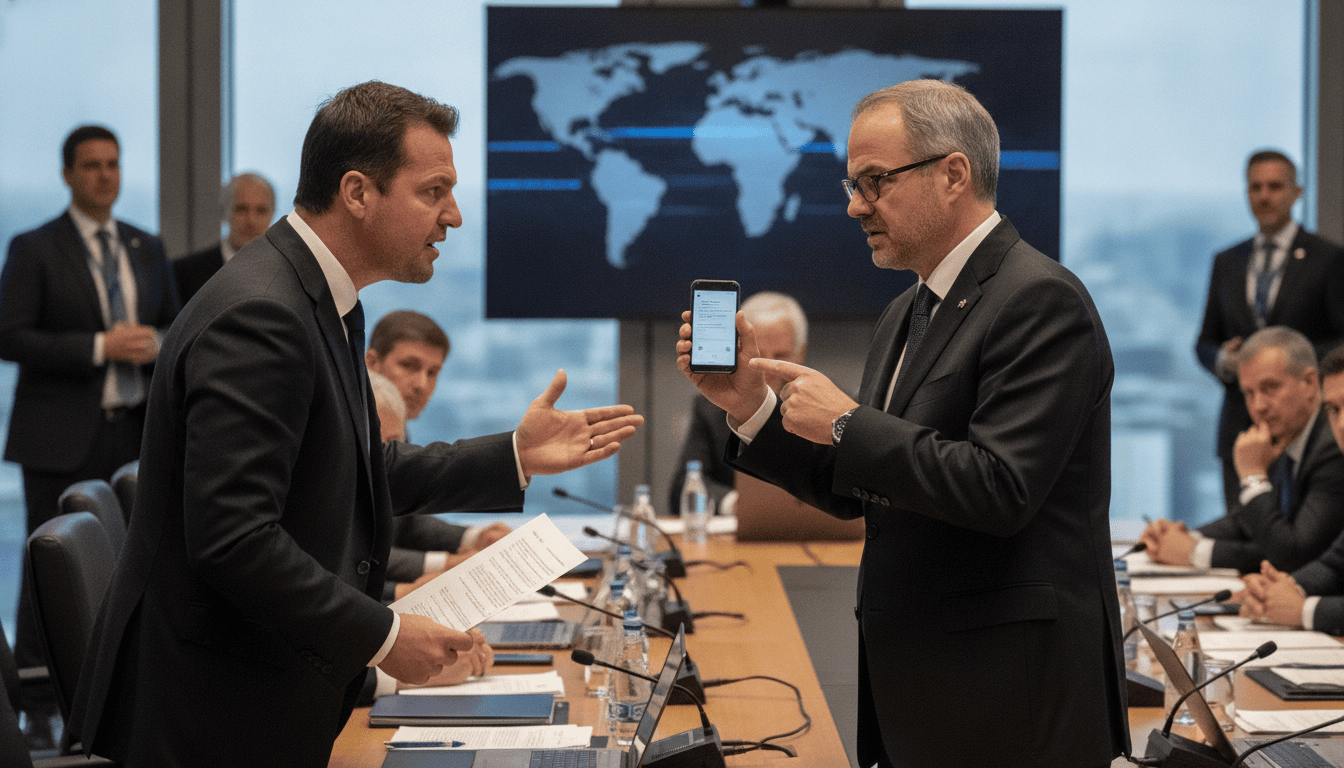
The FIFA controversy erupted after the governing body’s disciplinary panel suspended the one-match ban for U.S. striker Folarin Balogun, allowing him to play in the World Cup round of 16 against Belgium. UEFA said the decision crossed a “red line,” arguing that the handling of the case undermines the integrity of the competition and sets a dangerous precedent. Belgian officials and other national associations have expressed alarm at the apparent lack of transparency surrounding the ruling. U.S. President Donald Trump publicly confirmed he asked FIFA president Gianni Infantino to review the red card, intensifying scrutiny of external influence on the tournament.
UEFA calls decision a breach of integrity
UEFA issued a sharply worded statement saying the FIFA decision jeopardised the credibility of the competition and the sport’s governing principles. The European body stressed that while some rules allow interpretation, the circumstances of Balogun’s red card left no such ambiguity in its view. UEFA warned that if rule application can be altered through informal intervention, equal treatment between teams will be impossible to guarantee. The organisation urged full clarification and insisted that similar cases must be treated consistently to preserve competitive fairness.
Trump confirms he intervened with Infantino
On Monday, President Trump told reporters he had requested a review of the red card because he believed no foul had occurred and said he was familiar with the matter. Media accounts had earlier reported multiple calls between Trump and Infantino, and that members of the White House World Cup team and legal advisors pushed for the suspension to be lifted. Trump’s confirmation has expanded the controversy from a sporting dispute into a debate about political influence at the highest level of football governance. The admission has prompted national associations and political figures to demand a full account of the communications and the decision-making process.
Belgian FA lodges formal objection
The Royal Belgian Football Association (RBFA) said it had not received any formal decision, explanation, or procedural record from FIFA and that its requests for information were treated as an appeal, which FIFA deemed inadmissible. The RBFA described itself as “deeply concerned” and said it would challenge Balogun’s eligibility, arguing that the handling of the case deprived Belgium of the ability to seek transparent redress. Belgian government officials also voiced alarm, saying that if political intervention explains the ruling it would represent a fundamental breach of the sport’s rules. The RBFA said it would continue to press the matter in the coming hours, weeks and months to defend principles of fair competition.
Infantino’s relationship with U.S. leadership questioned
Critics pointed to a pattern of close engagement between FIFA president Gianni Infantino and President Trump, noting past gestures and public appearances that have raised eyebrows. Observers cited awards and joint events that have fostered the perception of an unusually cosy relationship between FIFA’s leadership and the American presidency. Questions have also been raised about FIFA’s earlier decisions at this tournament, including immigration and match logistics that affected certain teams, and whether those choices reflected host-nation influence. FIFA, for its part, maintains that disciplinary procedures and the independence of its panels remain intact.
Coaches, officials and former players voice dismay
Argentina’s coach Mauricio Pochettino hailed the reversal as a “fantastic decision” and questioned the ongoing debate, while Belgium’s staff said they had received no rationale from FIFA. Germany’s football leadership and former players have joined calls for clarity, arguing that perceived political interference damages the sport’s global standing. Jürgen Klopp said collaboration between political leaders and sport administrators would undermine football’s integrity and culture. Belgian coach Rudi Garcia described the move as unprecedented in World Cup history since the establishment of yellow and red cards in 1970.
Historical comparisons and potential precedent
Analysts noted earlier instances of high-level lobbying in World Cup history, including political interventions in 1934, 1962 and 1978, but said the current allegations differ in scale and modern governance implications. The RBFA warned that the decision creates a precedent that other teams could seek to exploit, pressuring FIFA to apply consistent standards. Sports law experts say the case will test the robustness of disciplinary processes and whether existing appeals mechanisms are fit to prevent external influence. The outcome of any formal challenge could reshape expectations about transparency and accountability at future tournaments.
The incident has shifted attention from on-field competition to governance, and it now rests with FIFA to publish a clear chronology, a substantive explanation of the disciplinary procedure and any communications that influenced the outcome.
