
UC Irvine Study Finds Wildfire Smoke Deepens Health and Economic Strain in Eastern Coachella Valley
UC Irvine study finds wildfire smoke worsens health, disrupts livelihoods and stresses Spanish-speaking communities in the eastern Coachella Valley and schools.
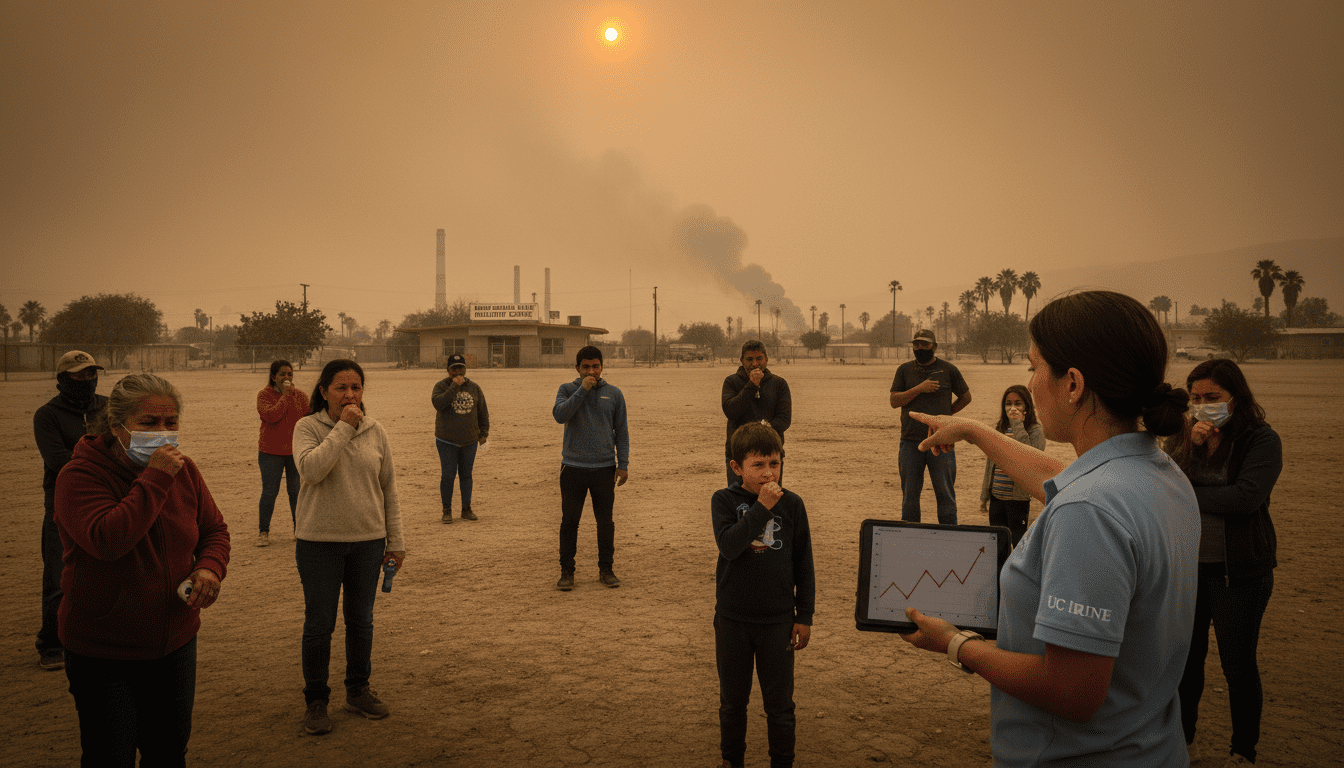
A University of California, Irvine public health study finds persistent wildfire smoke is compounding physical illness, mental stress and economic disruption in eastern Coachella Valley communities. The research, based on interviews and surveys with residents of Thermal, Mecca, Oasis and North Shore, documents how repeated fires and ongoing smoke exposure affect families, workers and community resilience. Wildfire smoke emerged as a central thread linking respiratory illness, anxiety and barriers to daily life for predominantly Latino agricultural and construction workers.
Study scope and methods
The researchers collected personal accounts from 118 residents between February and April 2023, combining focus groups and surveys to capture lived experience across four locales. The sample emphasized low-income and predominantly Hispanic American households, reflecting the valley’s demographic profile and occupational patterns. Study lead Suellen Hopfer and her team used qualitative analysis to identify recurring themes around health, evacuation, information access and community support.
The project was developed through a community–academia partnership intended to center local voices in assessing wildfire smoke impacts. UC Irvine investigators worked with regional partners to ensure interviews were conducted in residents’ preferred languages and to document practical suggestions from community members. The approach aimed to generate actionable recommendations for public health officials and emergency planners.
Residents report widespread respiratory and eye symptoms
Participants frequently described breathing difficulties, sinus problems and eye irritation following fire events, with children and older adults particularly affected. Several households reported exacerbations of asthma and chronic respiratory conditions, leading to missed school days and increased medical visits. These accounts underline the acute and cumulative burden of wildfire smoke on vulnerable populations.
Interviewees also recounted barriers to protective measures, including limited access to clean indoor spaces, air filtration and affordable masks. Many workers in agriculture and construction continued to labor outdoors during smoky conditions, increasing their exposure. The study highlights a mismatch between public health guidance and the structural realities faced by frontline workers.
Mental health toll and daily-life disruptions
Beyond physical symptoms, residents described elevated anxiety, sleep disruption and a pervasive sense of uncertainty tied to persistent smoke and recurring fires. Parents reported stress over children being unable to play outside and concerns about long-term developmental impacts from repeated smoke exposure. The psychological strain was compounded by the anticipation of future fires and the sudden need to evacuate.
Daily routines and schooling were frequently interrupted, with families noting missed shifts, curtailed outdoor activity and complications in arranging childcare. The cumulative impact of these disruptions contributes to a wider social and emotional toll that can hamper recovery after each event. Local mental health services were described as limited and difficult to access for many residents.
Economic consequences for agricultural and construction workers
The eastern Coachella Valley’s economy, driven largely by agriculture and construction, leaves many residents exposed to hazardous outdoor air during wildfire smoke episodes. Workers reported lost income when fields were closed, yet many felt pressured to work through unsafe conditions to cover basic expenses. Small businesses and seasonal labor arrangements magnified financial vulnerability after repeated disruptions.
Evacuations and damage to infrastructure also translated into added costs for families, from temporary housing to transportation and medical bills. The study emphasizes how economic instability interacts with health risks, deepening disparities for marginalized communities. Researchers note that federal and state assistance often fails to reach the most affected or to fund long-term resilience measures.
Community recommendations and preparedness gaps
Residents called for improved emergency communications tailored to Spanish-speaking communities, including clearer alerts and culturally appropriate education about wildfire smoke risks. Participants urged affordable trash and vegetation management services to reduce local fire hazards and requested more accessible air quality guidance. Neighbors and community networks emerged repeatedly as vital sources of alerts, mutual aid and practical support during crises.
Hopfer and colleagues highlighted the need for community-engaged preparedness planning that integrates local knowledge and language access. They argue that interventions must be designed with residents to ensure uptake and effectiveness, including distribution of air filters, workplace protections and mental health resources. Strengthening localized communication channels was presented as a near-term priority.
Policy implications and research recommendations
The study recommends targeted policy responses to reduce exposure and build resilience in low-income communities facing wildfire smoke. Proposals include subsidized air filtration for households, stronger workplace protections for outdoor laborers, and investment in Spanish-language public health campaigns. The research team also called for expanded funding and emergency planning that centers social vulnerability indices when allocating resources.
This project received grant support from the California Air Resources Board and lists Suellen Hopfer as corresponding author, with contributions from UC Irvine doctoral candidates and faculty, as well as community partners. The authors frame their findings as a resource for policymakers, emergency responders and public health officials aiming to develop more effective local supports. They emphasize that community-led solutions will be essential to reduce the health, economic and psychological harms of ongoing wildfire smoke exposure.
The residents’ accounts paint a picture of persistence and resilience amid worsening wildfire seasons, but they also signal a clear policy gap: without targeted investments in communication, workplace safety and clean-air access, the cycle of harm is likely to continue.
