
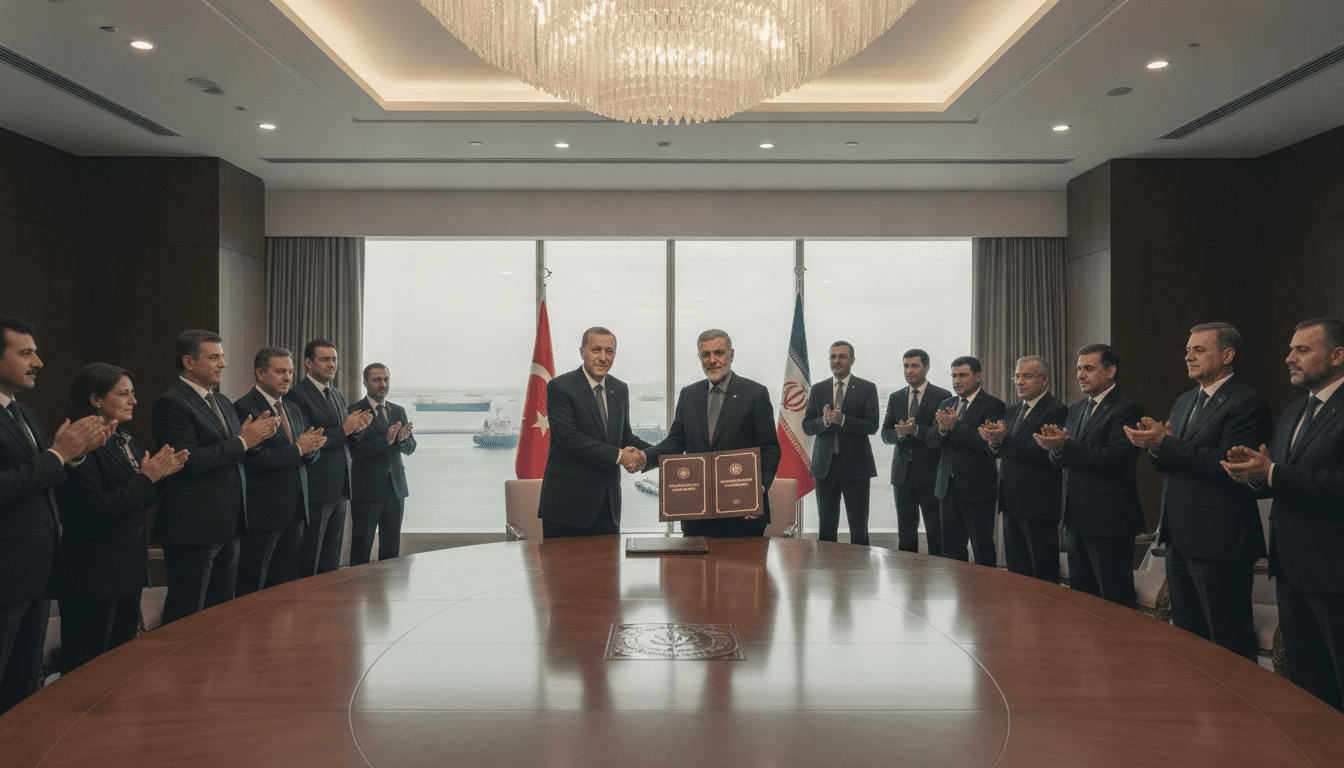
Turkey emerges unscathed after US‑Iran clashes, helps broker 60‑day ceasefire memorandum
Turkey emerges unscathed after US‑Iran clashes, helping secure a 60‑day ceasefire memorandum that reopened the Strait of Hormuz and eased regional tensions.
When US President Donald Trump ordered strikes on Iran in late February, Turkey emerged unscathed from the immediate fallout while working quietly to reinsert itself into regional diplomacy. Turkish officials pressed for mediation early on but were initially sidelined as Washington consulted closely with Israeli leaders. Weeks later, Ankara was named among the states credited with helping secure a memorandum of understanding that extended a fragile ceasefire and reopened the crucial Strait of Hormuz.
Ankara sidelined during initial strikes
When the first strikes were launched, Turkish diplomats found limited room to influence Washington’s immediate strategy and public statements. Officials in Ankara repeatedly sought to dissuade a widening conflict, but their appeals failed to alter the course of military action. The early sidelining left Turkish leadership publicly frustrated and compelled to pursue alternative diplomatic channels.
From exclusion to recognised mediator
Over the following months Turkey moved from the margins to the center of a short diplomatic push that produced a memorandum of understanding between Tehran and Washington. Ankara, together with interlocutors in Pakistan and Qatar, was credited by US sources for shuttling contacts and helping craft the framework. That shift reflected a pragmatic Turkish approach to leverage regional ties and back‑channel influence where formal access had been restricted.
Terms of the memorandum and the Strait of Hormuz
The agreement reportedly extends a tenuous ceasefire for 60 days and stipulates steps to reopen the Strait of Hormuz, which Tehran had closed after hostilities escalated. Reopening the waterway is the most tangible outcome to date, as it restores a critical artery for global oil shipments and maritime traffic. Officials cautioned that the memorandum’s language focuses on temporary risk reduction rather than a comprehensive settlement.
Turkish officials urge caution about the deal’s limits
Ankara’s diplomats have framed the memorandum as a first, fragile step rather than a durable peace accord, warning it will only ease immediate pressure on shipping lanes. Turkish voices inside the negotiations emphasised that verification, follow‑through and diplomatic sequencing are required to prevent a return to hostilities. In private briefings, senior Turkish officials stressed that longer‑term stabilization requires broader confidence‑building measures beyond the memorandum’s initial scope.
Political calculation and regional leverage
Observers say Turkey’s emergence as a credited intermediary reflects shrewd diplomatic calculation as much as neutral mediation. By brokering access and keeping lines open to both Tehran and Washington, Ankara has bolstered its regional profile and created leverage that can be used in future negotiations. European and regional diplomats noted Ankara’s ability to turn moments of crisis into diplomatic gain, a pattern that appears to have continued through the recent talks.
Washington’s tone and shifts in alliances
The memorandum was accompanied by an observable shift in Washington’s rhetoric toward Israel and the region, as senior US officials publicly acknowledged the role of regional partners. That turn complicates earlier impressions in Ankara that Washington prioritized other counsels over Turkish advice during the crisis’ height. While the public posture has softened, Turkish officials remain wary that partnerships can prove transactional and contingent on short‑term strategic needs.
Turkish diplomats and analysts say the deal’s immediate impact should be measured in practical terms: the Strait of Hormuz is open and a 60‑day window has been created for diplomacy, but the underlying disputes remain unresolved. Ankara’s calculus going forward will likely balance the desire to consolidate its enhanced mediator role against the risk that temporary accords could collapse without durable mechanisms for enforcement and dialogue.
