
Travel Cancellation Insurance and Summer Flight Disruptions: What Travelers Need to Know
Summer travel fears over fuel shortages and cancellations: when travel cancellation insurance applies, what it covers, and practical booking alternatives.
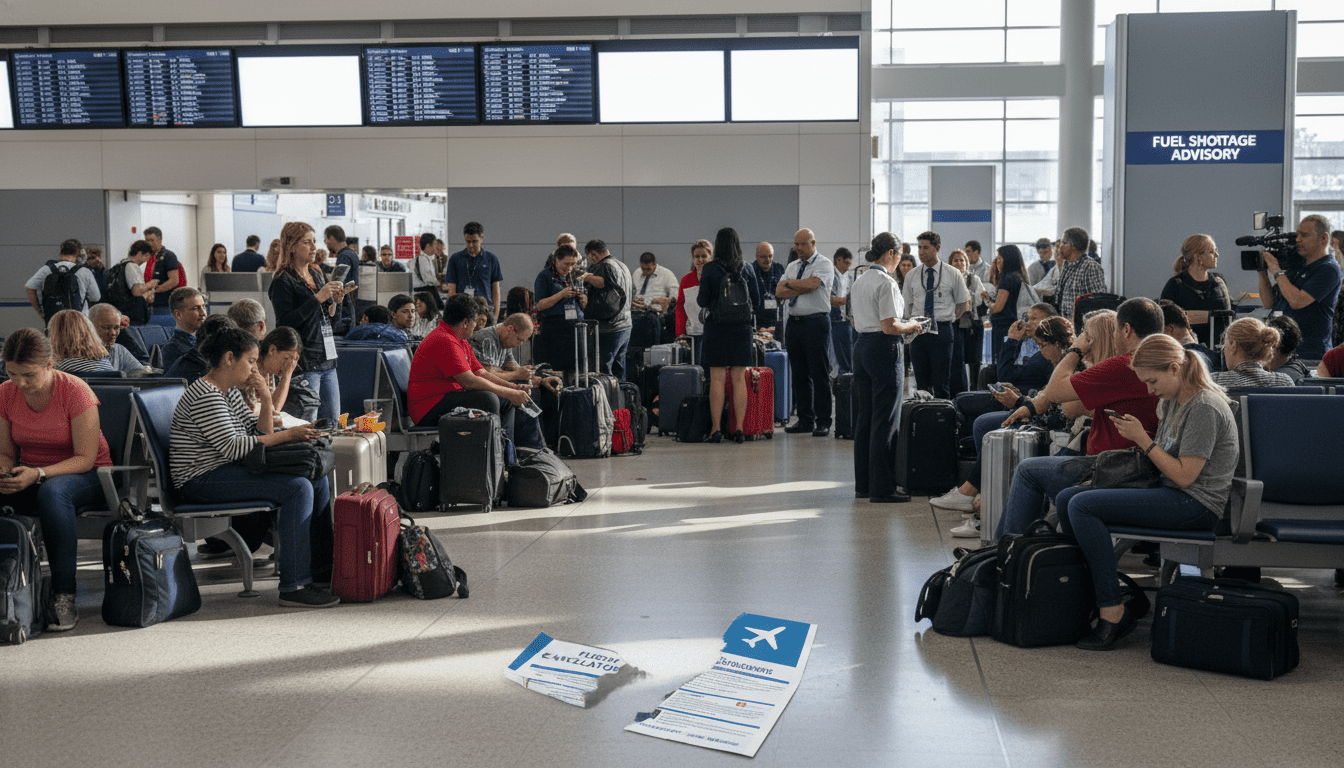
As of June 7, 2026, growing concerns about jet-fuel shortages have put many summer trips at risk and sent travelers asking whether travel cancellation insurance will protect them. Travel cancellation insurance can cover losses for unexpected personal events, but it does not automatically compensate for airline operational problems such as fuel-related flight cancellations. This article explains when a policy will help, what it typically excludes, and how passengers can protect themselves before and during the booking process.
Flight cancellations linked to fuel supply worries
The prospect of flights being cancelled because airlines lack kerosene has created uncertainty for holidaymakers heading into the peak season. While widespread network shutdowns remain unlikely, carriers may cut specific routes or adjust schedules when fuel logistics are disrupted. Passengers facing cancelled flights should expect the airline or tour operator to provide rebooking, refunds, or other contractual remedies.
In practice, operational disruptions trigger the carrier’s obligations under its own terms and any applicable passenger-rights rules rather than an insurer’s trip-cancellation clause. That distinction is central to understanding who pays what and where to direct claims when a journey is interrupted for reasons beyond the traveller’s control.
What travel cancellation insurance usually covers
Travel cancellation insurance is designed primarily to reimburse prepaid, non‑refundable travel costs when a traveller cannot commence a trip for covered personal reasons. Standard covered causes include sudden illness or injury, death in the immediate family, serious home emergencies, and sometimes legal obligations like jury duty. Policies typically require medical documentation or other proof to validate a claim.
Most plans also outline time windows and notice requirements — for example, when the cancellation must occur relative to departure — and they cap payouts at the insured trip cost. Optional extras such as medical evacuation, baggage protection, and travel-delay allowances are often sold separately and have their own conditions.
Why fuel shortages and airline cancellations are usually excluded
Operational issues at the airline level, including fuel shortages, air traffic control restrictions, and crew shortages, are generally considered external events outside the scope of travel cancellation insurance. Because these are not personal, unforeseeable reasons tied to the insured traveller, insurers commonly deny claims that seek reimbursement for flights cancelled by carriers. Instead, the contract of carriage, tour operator terms and any government passenger-rights frameworks determine passenger remedies.
That means travellers hit by a fuel-related cancellation should first pursue compensation or rebooking through the airline or the tour operator. Keep records of communications, cancellation notices, and any ancillary expenses; these documents will be essential if disputes arise or if a claim is later filed under a separate travel-delay or expense coverage.
When buying travel cancellation insurance makes sense
A trip cancellation policy is most valuable for travellers with significant non‑refundable expenditures — for example, luxury cruises, long-haul flights, expensive package tours, or bookings made far in advance. It can also be worthwhile for people with higher medical risk or unpredictable personal circumstances that increase the chance of a covered cancellation. Frequent travellers who value peace of mind may prefer an annual multi-trip policy that covers several journeys at a fixed premium.
Conversely, for low-cost or fully refundable bookings, the cost of additional insurance may outweigh the likely benefit. Assess the total non‑refundable exposure, your personal health and job stability, and whether credit-card protections or the supplier’s flexible cancellation options already offer adequate cover before purchasing a policy.
Practical steps to limit disruption and financial loss
Before buying a policy, read the fine print: verify what counts as a covered reason, check the claim notification deadlines, and confirm documentation requirements. If you consider broader protection, ask insurers about “cancel for any reason” (CFAR) options; these plans can reimburse a percentage of prepaid costs but usually cost more and impose strict purchase windows. Confirm whether medical emergencies must be certified by a local doctor and whether missed connections or quarantine-related issues are included.
At booking, prefer flexible fares or suppliers that offer free cancellation or easy changes, and check whether your credit card provides trip cancellation or interruption benefits. When a cancellation occurs, contact the airline or tour operator immediately to explore rebooking, vouchers, or refunds, and retain all receipts for incidental expenses like hotels or meals. If you intend to file an insurance claim later, submit required forms and evidence promptly to avoid rejected claims on procedural grounds.
Travelers should also consider practical contingency planning: schedule buffer days around important events, avoid tightly timed itineraries, and think twice before finalizing costly, nonrefundable add-ons if the trip falls in an uncertain period. Being proactive can reduce both stress and the likelihood of a costly loss.
Travel cancellation insurance can be a useful tool for protecting significant, non‑refundable travel expenditures, but it is not a catch‑all for carrier-caused disruptions such as fuel shortages. Knowing what your policy covers, documenting incidents thoroughly, and pursuing remedies first with the airline or tour operator will give you the best chance of a fair outcome if your summer travel plans are affected.
