
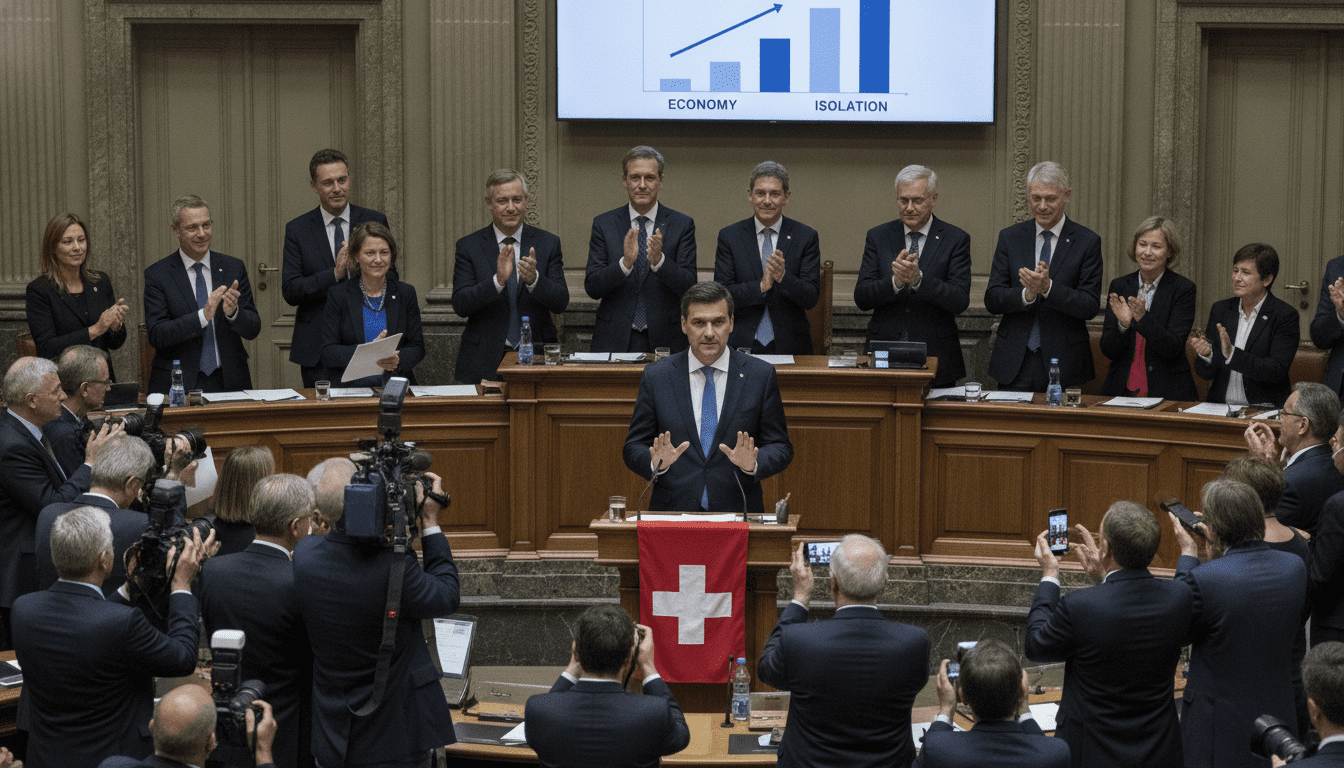
Swiss voters reject SVP population cap initiative
Swiss voters narrowly rejected the SVP population cap initiative, preserving the country’s migration framework and averting threats to bilateral EU ties and economic stability.
The electorate delivered a modest majority against the Swiss People’s Party (SVP) proposal to enshrine a population cap in the constitution, rejecting a fixed limit on immigration after a heated national debate. The population cap referendum dominated campaign discourse for weeks, with proponents highlighting pressures on housing and transport while opponents warned of severe economic and diplomatic fallout. Voters ultimately weighed the immediate grievances against longer-term risks to trade, investment and public finances and chose to preserve the existing migration arrangements.
Swiss voters reject SVP population cap initiative
The referendum outcome marks a setback for the SVP, which had campaigned on curbing population growth by constitutional means. Campaign rhetoric focused on crowded trains, traffic congestion and rising housing costs, issues that resonated in many communities. Yet a majority of citizens concluded that a constitutional population ceiling posed greater dangers than the nuisances it promised to fix.
Bilateral agreements and market access at stake
Adoption of the population cap would have forced a re-evaluation of the free movement provisions embedded in Switzerland’s network of bilateral treaties with the European Union. Those agreements underpin substantial trade flows and provide Swiss firms with critical market access to the EU, where a large share of Swiss exports are sold. Policymakers and business associations warned that a rupture of those arrangements could raise costs, add export barriers and erode the predictability companies rely upon.
Economic warnings from business leaders
Swiss industry leaders stressed that legal uncertainty created by a constitutional cap could deter investment and complicate staffing for factories and service firms. Executives warned that projects requiring long-term workforce planning would be harder to justify if access to European labor markets became unpredictable. Several entrepreneurs publicly questioned whether multinationals and startups would favor new operations in Switzerland under a restrictive migration regime.
Housing shortage and planning bottlenecks
Proponents of the initiative tapped into genuine frustration over housing availability and affordability, linking growth to higher rents and longer commutes. Analysts say those pressures have multiple causes, including rising household consumption, limited new construction and speculative holding of developable land. Critics of planning policy also point to stringent building rules and protracted approval processes that slow development and frustrate efforts to expand supply.
Younger immigrants’ role in public finances
Demographic dynamics featured prominently in the debate, with many specialists noting that recent immigrants contribute disproportionately to payroll taxes and pension systems. That inflow of younger workers helps to stabilise pay-as-you-go social insurance schemes and supports public finances without immediately increasing benefit liabilities. For voters mindful of retirement security, the fiscal contribution of newcomers weighed against the promise of tighter population controls.
Political repercussions for SVP and coalition dynamics
The referendum result exposes strains within the conservative camp and raises questions about the SVP’s messaging ahead of future votes. Observers flagged a tension between the party’s anti-immigration stance and its support for low-tax policies that have attracted corporations and skilled workers to Switzerland. Meanwhile, parties across the spectrum will now confront persistent public concerns about identity, local services and infrastructure capacity that were central to the initiative’s appeal.
Looking ahead, Swiss authorities face the twin tasks of addressing practical grievances that fuel support for restrictive measures while safeguarding economic openness and international agreements. The vote preserves the status quo for now, but it also highlights unresolved policy gaps in housing, planning and social cohesion that are likely to return to the political agenda.
