
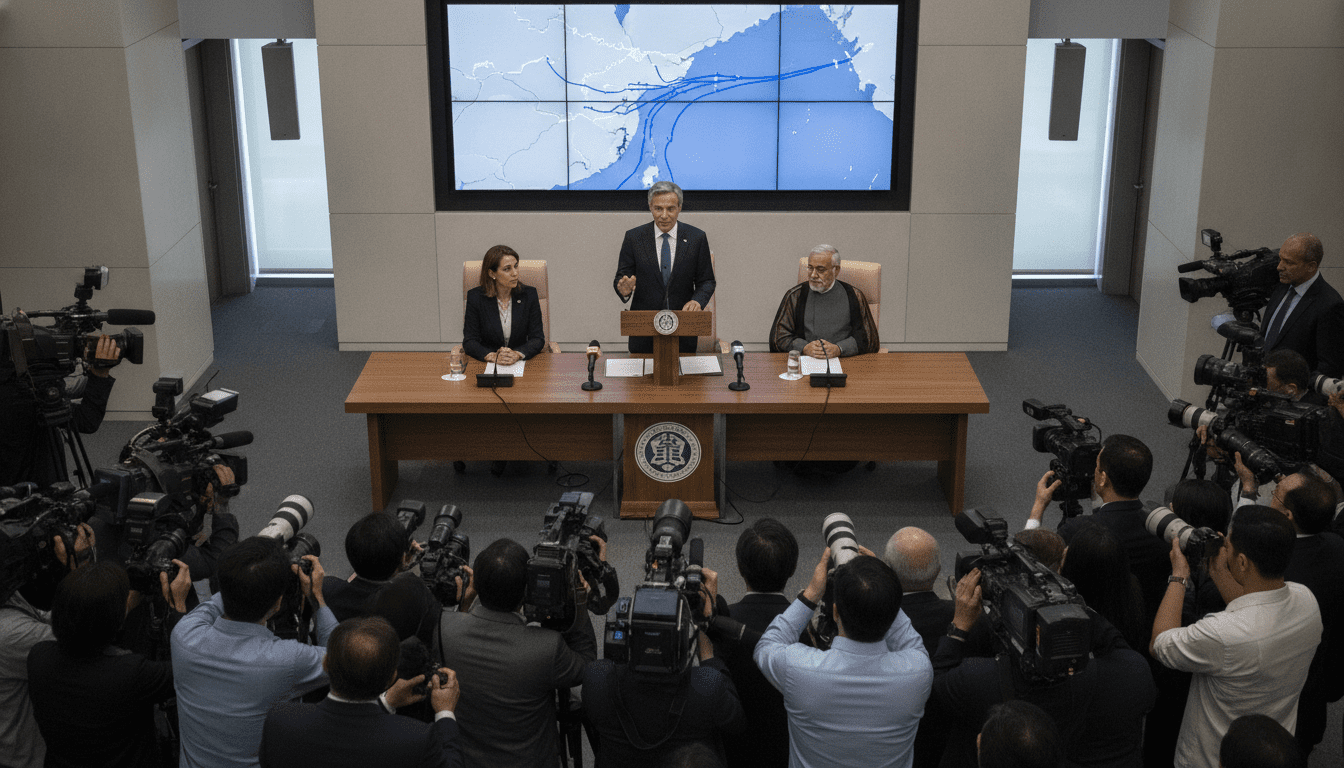
Strait of Hormuz reopening: Indian tanker Disha leads first convoy after US–Iran accord
Strait of Hormuz reopening: Indian tanker Disha departs Ras Laffan and is due in Dahej on June 18, 2026, as Washington and Tehran move to reopen shipping lanes.
Disha departs as first visible signal of a thaw
The Indian-flagged tanker Disha, carrying 62,370 metric tonnes of liquefied gas loaded at Ras Laffan in early March, set off through the Strait of Hormuz within hours of the peace announcement between the United States and Iran. The vessel is scheduled to arrive in Dahej, Gujarat, on June 18, 2026, marking one of the first clear movements since hostilities interrupted Gulf shipping. The transit has been presented by officials in Washington as an early demonstration that the Strait of Hormuz reopening is beginning to restore supply lines.
Memorandum of Understanding sets a 60-day window
According to the framework agreed by the two capitals, ships will be allowed to pass without paying a transit levy for an initial 60-day period once the memorandum is formally signed. The memorandum is due for formal endorsement on Friday, June 19, 2026, which authorities say should provide a predictable short-term corridor for commercial traffic. Critics and shipping firms caution that the 60-day immunity addresses only fees and does not resolve longer-term safety and regulatory questions.
Shipping industry demands assurances on mines and safety
Major shipowners and insurers have said they will not restore normal traffic levels without credible guarantees that designated routes are free of mines and other hazards. The Baltic and International Maritime Council has warned that insurance and de-risking decisions will determine how quickly ships return to pre-conflict patterns. Shipping giants such as Maersk and Mitsui OSK have signalled they will take a cautious, phased approach, noting it could still be weeks before owners commit significant tonnage to Gulf transits.
Crew welfare and the human toll of the blockade
More than 20,000 seafarers remain associated with hundreds of vessels effectively immobilised around the Gulf, according to international shipping associations, and many crews have been on board for months. Rotation of personnel has been limited by security concerns and logistical hurdles, leaving sailors to endure extended periods at anchor with sparse relief. Family groups and maritime bodies have repeatedly urged faster, safer corridors precisely because the welfare and mental health of seafarers are at stake.
Security incidents complicate reopening hopes
The security backdrop remains fraught: during the blockade Iranian forces stopped and, in some cases, fired on commercial vessels, and there were recent deadly engagements in the corridor. A US strike on a ship accused of carrying Iranian oil provoked diplomatic protests in New Delhi after several Indian crew members were killed, underscoring how volatile enforcement actions can ripple through international relations. Those incidents reinforce shipowners’ insistence that any Strait of Hormuz reopening must be accompanied by verifiable demining and clear rules of engagement.
India’s energy supply and domestic pressures
For India, the reopening carries urgent economic and social implications because the subcontinent sources much of its oil and a substantial share of its gas from the Gulf. Indian refineries and utilities have been forced to substitute costlier supplies and face pressure on foreign exchange reserves and the rupee. Shortages of liquefied gas disrupted household fuel supplies and agricultural fertilizer deliveries, prompting government appeals for conservation and raising concerns about food production and inflation.
Markets react but recovery remains cautious
Financial markets in Asia rallied on the news of a US–Iran accord, with analysts saying a swift return of Gulf energy flows reduces the risk of a global recession that had loomed during sustained disruption. Analysts at regional research houses flagged that while a reopening diminishes immediate tail risks, inflationary pressures may persist as supply chains rebalance. Investment that moved into perceived safe havens could be redirected back to emerging Asian markets, but that shift depends on sustained, demonstrable reductions in transit risk.
The initial passages led by vessels such as Disha will serve as a real-time test of the memorandum’s durability, the effectiveness of mine-clearance operations and the willingness of insurers and shipowners to re-engage. If lanes remain incident-free and governments provide transparent, verifiable assurances, shipping traffic could gradually return and relieve acute energy shortages in destinations from India to Southeast Asia. Observers say the next weeks will be decisive: operational detail, not rhetoric, will determine whether the Strait of Hormuz reopening translates into lasting commercial normalisation.
