
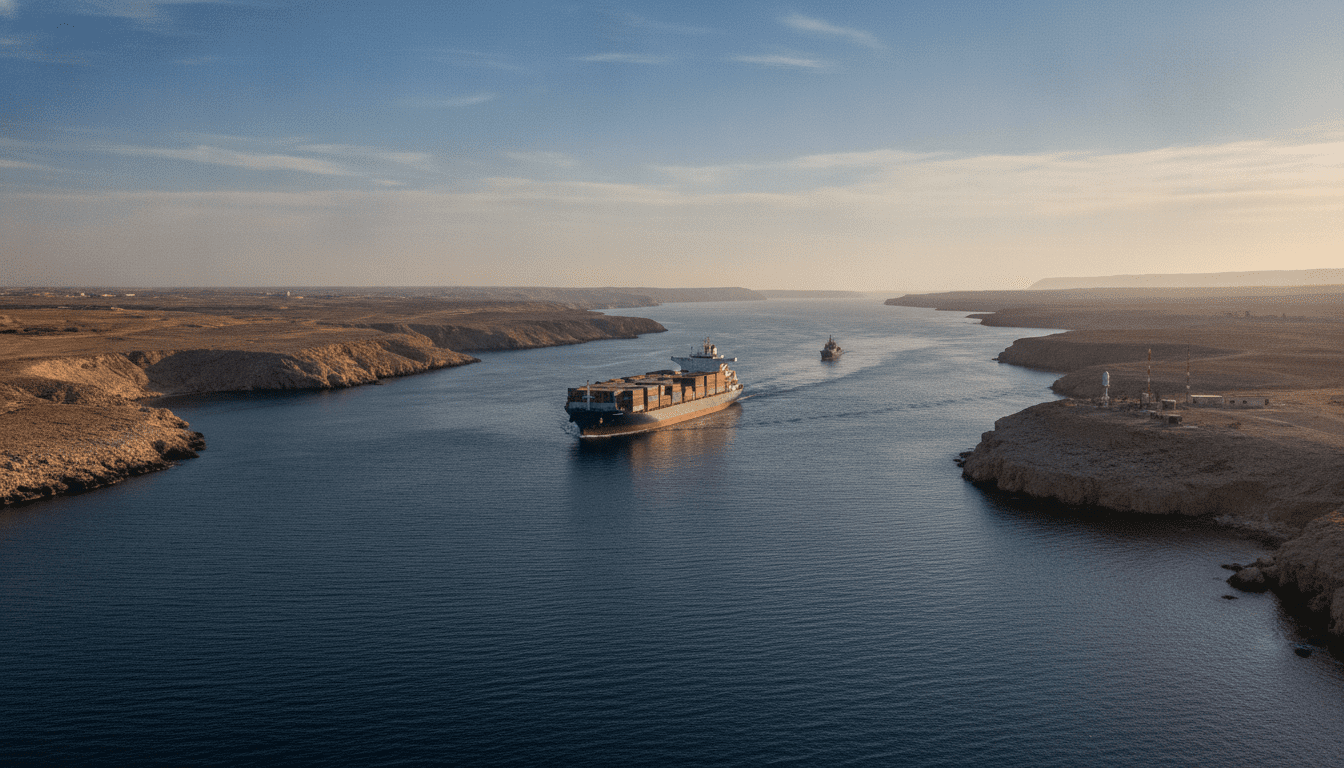
Strait of Hormuz shipping remains far below pre-war levels as vessels shift to alternate routes
Commercial shipping through the Strait of Hormuz remains limited this weekend, with 71 confirmed transits and a peak of 35 on Saturday, Kpler reports.
Shipping Volume Remains Below Pre-War Levels
Commercial shipping through the Strait of Hormuz has not returned to its pre-war scale, according to maritime analytics firm Kpler. The data show 71 confirmed transits over the weekend, a fraction of the 100–130 daily vessels that typically used the waterway before the conflict.
This decline reflects ongoing operational constraints and risk aversion among ship operators, who are managing cargo flow while avoiding the strait’s main central channel. The reduction in traffic is contributing to delays and capacity bottlenecks in regional logistics.
Kpler Data Details Weekend Transits
Kpler recorded a weekend peak of 35 crossings on Saturday, with lower numbers on the surrounding days. The analytics firm’s tally represents confirmed transits and does not account for vessels that may have delayed movements or chosen longer reroutes.
Maritime analysts say the figures indicate a gradual, cautious return to the region rather than a full restoration of normal traffic. Shipping companies are following real-time intelligence and commercial advisories before committing to passages through or near the strait.
Central Channel Closed After Mining Reports
The strait’s main central shipping channel remains closed after reports that the channel was mined, forcing authorities and operators to restrict its use. That closure has materially altered the patterns of passage through one of the world’s busiest narrow waterways.
With the central route unavailable, shipmasters and owners have opted for the northern route through Iranian territorial waters and the southern route through Omani waters. Both alternatives present different navigational, legal and security considerations for international shipping.
Northern and Southern Routes See Increased Traffic
Vessels transiting via the northern route are moving through Iranian territorial seas, which raises questions about crew safety, legal jurisdiction and potential inspections. The southern Omani route offers passage in international waters adjacent to Oman, but it is narrower and requires more precise navigation.
The shift has increased traffic density on these secondary channels, elevating the risk of congestion and require tighter coordination between pilots, tug operators and regional authorities. Longer transit windows and stricter vetting procedures are reported at nearby ports handling diverted cargoes.
Economic and Insurance Impacts for Global Trade
Reduced Strait of Hormuz shipping volumes are already reverberating through shipping schedules, freight costs and marine insurance premiums. Carriers face higher operational costs from route adjustments and from longer voyages when vessels elect to bypass the strait entirely.
Insurers and underwriters have raised risk assessments for transits in the area, prompting higher war-risk and hull-and-machinery premiums for some vessel types. Shippers may see increased freight rates and surcharges passed down the supply chain while traders adjust sourcing and inventory strategies.
Regional Security and Diplomatic Consequences
The sustained disruption in the strait is increasing pressure on regional and international stakeholders to address maritime security and de-escalation. Naval deployments, convoy planning and diplomatic channels have become central to efforts aimed at restoring safer, more predictable passage.
Governments and industry groups are weighing measures such as enhanced escorting, corridor coordination and information-sharing platforms to lower risk for commercial traffic. Any progress on de-mining the central channel would be a critical milestone for returning to pre-conflict levels of traffic.
Shipowners, insurers and trading firms say they will continue to monitor developments closely, balancing commercial imperatives with crew safety and regulatory compliance. For now, the pattern is one of cautious re-engagement with the Strait of Hormuz rather than an immediate resumption of normal operations.
Traffic through the Strait of Hormuz remains constrained as vessels navigate alternate routes and authorities manage the ongoing closure of the central channel.
