
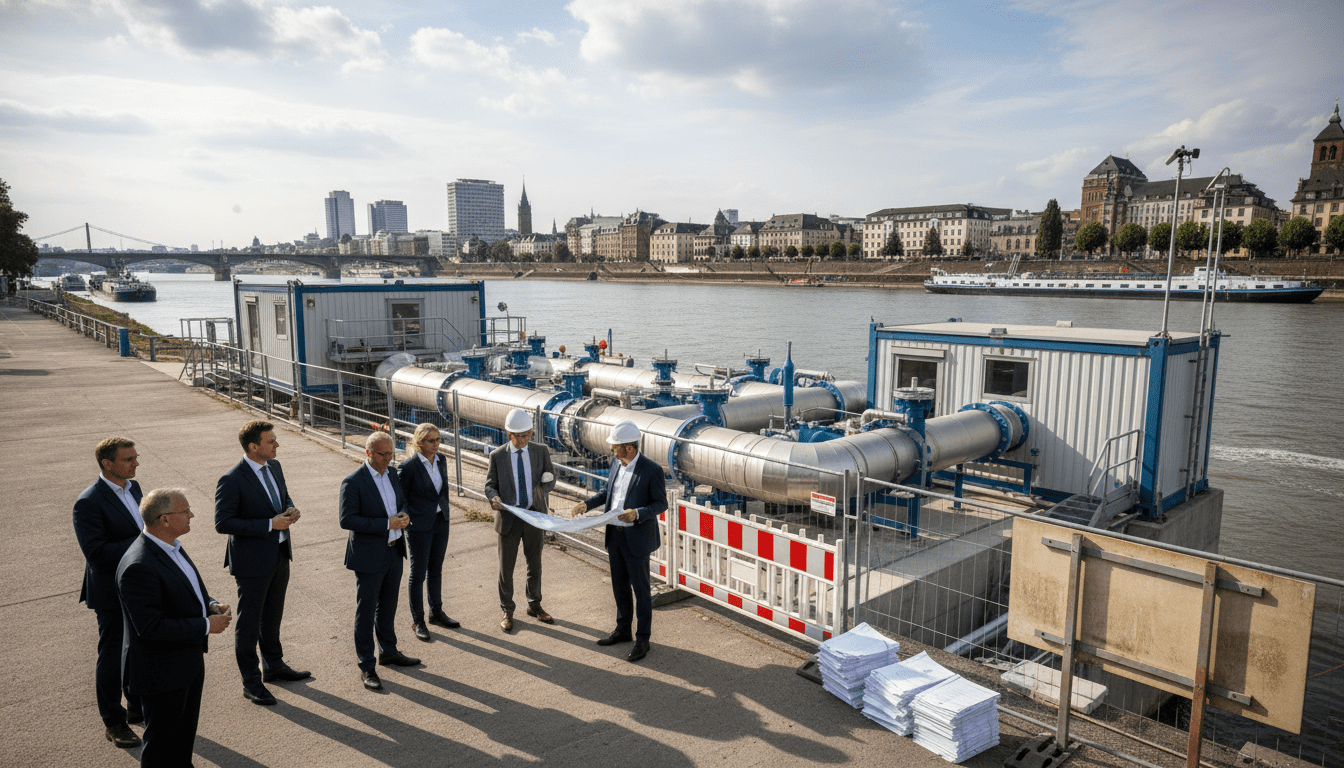
River heat pumps: untapped potential and hurdles slowing Germany’s heat transition
River heat pumps could supply large shares of Germany’s urban heating, but unclear permits, high upfront costs and environmental concerns have limited installations.
Early-morning mist rising from rivers is more than poetic scenery — it is visible evidence that water bodies store heat, and that heat can be tapped by river heat pumps. River heat pumps extract river water, transfer its thermal energy via a heat exchanger to a refrigerant and a connected heating grid, then return the water a few degrees cooler. Proponents argue the technology could accelerate Germany’s heat transition, but deployment has so far remained marginal.
How river heat pumps recover heat from waterways
River heat pumps operate by drawing water through intake structures, filtering out debris and passing it through a heat exchanger where energy is moved to a refrigerant cycle. The warmed refrigerant is then compressed and used to supply heating networks or building systems, while the river water — typically 2–3 degrees Celsius cooler after passage — is returned to the source. The approach leverages the natural thermal inertia of rivers and lakes, enabling year-round heat extraction in many locations.
Potential contribution to urban heating demand
Analyses shared by advocates show river and lake thermal energy could meet substantial slices of urban heat demand, particularly in densely built areas with existing district heating systems. Cities with rivers running through or alongside built-up districts can connect heat pumps to local grids or to large heat consumers such as hospitals and housing estates. Because waterways cover many metropolitan areas in Germany, planners view river heat pumps as a geographically attractive complement to heat networks, especially where other low-carbon heat options face constraints.
Regulatory and permitting obstacles for projects
Despite technical feasibility, developers face a fragmented permitting landscape that slows approvals and increases project risk. Municipal and environmental authorities currently lack standardized guidelines for intake design, return-temperature limits and monitoring requirements, which leads to lengthy case-by-case reviews. Project proponents report that uncertain timelines and varying interpretations of water law across federal states deter investment and complicate planning for both private and public sponsors.
High upfront costs and financing challenges
The capital expenditure for river heat pump installations — including intake structures, filtration, heat exchangers and grid connections — can be substantial compared with conventional equipment. While operating costs are typically low and can deliver attractive lifecycle economics, the initial financing gap remains a barrier for many municipalities and housing associations. Stakeholders say targeted public support, low-interest loans and regulatory certainty would be critical to unlock private capital and scale installations beyond isolated pilots.
Environmental concerns raised by experts and activists
Environmental groups and some researchers caution that extracting heat from natural water bodies must be managed carefully to avoid impacts on aquatic ecosystems. Concerns include changes to thermal regimes that could affect oxygen levels, species behavior and seasonal cycles, as well as the physical effects of intake structures on fish and sediment. Critics call for rigorous environmental impact assessments, strict operational thresholds and continuous monitoring to ensure that river heat projects do not trade one environmental problem for another.
Municipal pilots and the pressure to accelerate the heat transition
Local governments under political and legal pressure to decarbonize heating are increasingly exploring river and lake thermie as part of broader strategies. Several pilot projects and feasibility studies are underway in Germany and neighboring countries, aiming to demonstrate technical performance and to develop best-practice rules for siting and permitting. Municipal planners say these pilots are essential to build a regulatory template that could streamline approvals and reduce costs for follow-up projects.
Public debate around river heat pumps has sharpened as communities seek practical, low-carbon heating options while balancing nature protection. Proponents emphasize that when properly sited and operated, river heat pumps can deliver reliable baseload heat with low running emissions, complementing solar, geothermal and waste heat sources. Opponents insist that comprehensive safeguards and transparent monitoring must be in place before scaling up installations.
As Germany presses to meet its climate and heating goals, river heat pumps sit at the intersection of opportunity and caution. With visible signs — like early-morning mist — reminding residents that water stores heat, the debate will likely focus on whether regulators, financiers and communities can agree on rules that allow safe, economical deployment at scale. The coming months of pilot evaluation and regulatory dialogue will determine whether river heat becomes a mainstream pillar of the country’s heat transition or remains a niche solution.
