
Protein and Fiber at Breakfast: Why Experts Say the Best Morning Meal Includes Both
Start your day right with protein and fiber at breakfast to improve satiety, support muscle health, and stabilise blood sugar, say nutrition experts.
Morning benefits of protein and fiber
Eating protein and fiber at breakfast is increasingly recommended by nutrition experts because the combination delivers complementary benefits that affect appetite, metabolism, and digestion. Protein promotes feelings of fullness and supports lean muscle mass, while fiber adds bulk to the diet, eases bowel regularity, and helps stabilise blood glucose levels. Together they can reduce mid-morning snacking and provide a steadier energy profile through the first half of the day.
Research and clinical guidance underscore that neither nutrient alone fully meets morning nutritional needs; combining them aligns short-term appetite control with longer-term metabolic advantages. Nutrition professionals quoted in recent guidance highlight the practical benefits of pairing a protein source with a high-fiber carbohydrate or fruit to create balanced meals.
How much protein adults need
Guidance for daily protein intake typically recommends about 0.8 grams of protein per kilogram of body weight for average adults, which translates to roughly 54 grams for a 150-pound person. Protein should make up approximately 10–35% of total daily calories, and experts advise allocating a portion of that intake to breakfast to support satiety and muscle maintenance. As people age, maintaining adequate daily protein becomes more important because adults begin to lose muscle mass—often estimated at 3–5% per decade after the 30s—making morning protein particularly beneficial.
Dietitians often suggest filling about a quarter of the plate with lean protein at breakfast and spreading protein across meals to reach daily goals without excess. Good morning protein choices include eggs, Greek yogurt, cottage cheese, nut butters, and beans, which can be combined with fiber-rich foods for a balanced meal.
Risks and limits of high-protein breakfasts
While protein offers clear benefits, experts caution against unbalanced or excessive intake, especially from processed or fatty sources. Processed meats and high-fat red meats can contribute saturated fat and sodium, which may increase cardiovascular risk if consumed regularly. Individuals with preexisting kidney disease should also monitor protein intake, as very high protein diets can place extra strain on renal function.
There are digestive trade-offs to consider as well; very high-protein breakfasts low in fiber may lead to constipation or other digestive discomfort. Nutrition professionals therefore recommend choosing lean protein sources and pairing them with fiber and adequate fluids to minimise side effects and support overall nutrient balance.
Health gains from dietary fiber
Fiber offers multiple benefits that extend beyond digestion: it supports a healthy gut microbiome, helps lower cholesterol and triglyceride levels, and assists in blood sugar management—factors that contribute to cardiovascular and metabolic health. Recommendations typically advise about 14 grams of fiber per 1,000 calories consumed, meaning an average adult should aim for roughly 25–38 grams of fiber daily depending on age and sex.
Despite these recommendations, many populations fall short of fiber goals, and a sudden increase in fiber can cause bloating, gas, or discomfort if hydration and gradual adjustment are not observed. Experts recommend increasing fiber intake slowly and ensuring adequate fluid intake to allow the gastrointestinal tract to adapt.
How to combine fiber and protein at breakfast
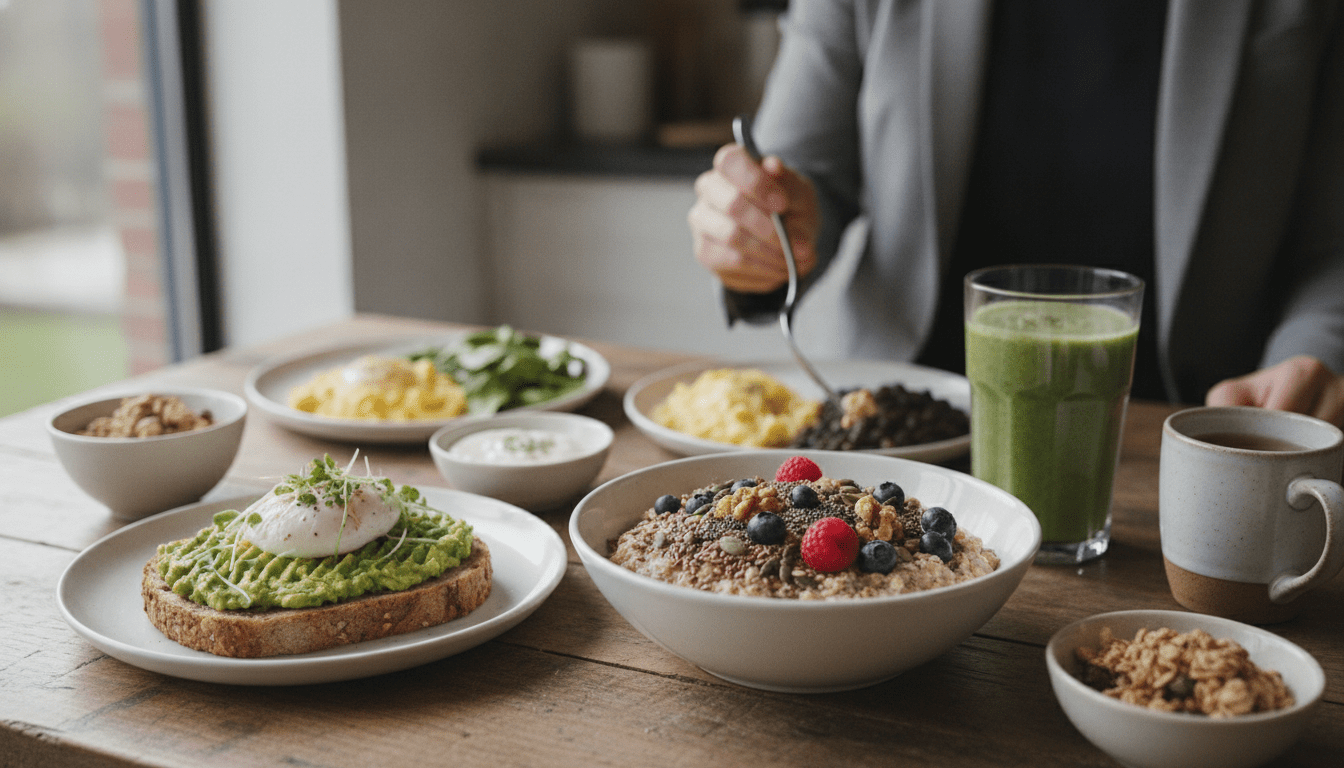
Practical pairings make it simple to capture both nutrients at breakfast without adding complexity to the morning routine. For example, Greek yogurt topped with chia or flax seeds and berries combines concentrated protein with soluble and insoluble fiber, while eggs served with avocado or whole-grain toast delivers high-quality protein alongside fiber-rich plant foods. Legumes such as black beans or lentils are versatile additions to breakfast burritos and hashes and provide both meaningful protein and fiber per serving.
Nutritionists often recommend targeting foods that offer at least 5–10 grams of protein and 2–3 grams of fiber per serving as a rule of thumb for a balanced breakfast. Nuts and seeds, oats, whole wheat products, and pulses are convenient components to build meals that satisfy both macronutrient and fiber goals.
Practical breakfast ideas and portion guidance
Simple, real-world meals can hit both targets and are easy to prepare on weekdays. Options include a cottage cheese fruit bowl with a sprinkle of nuts, peanut butter and banana on whole-grain toast, oatmeal mixed with protein powder or a scoop of Greek yogurt plus berries, and chickpea or black bean breakfast bowls. Portion control matters: one serving of pistachios (about 30 grams) can offer roughly 6 grams of protein and 2 grams of fiber, while a bowl of oats with milk and fruit provides a stronger fiber-protein mix.
Experts suggest incremental changes—adding a seed tablespoon, swapping refined bread for whole grain, or incorporating a legume-based side—to lift both protein and fiber without dramatic diet overhauls. Gradual adjustments reduce the risk of digestive issues and make the new habits sustainable.
Pairing protein and fiber at breakfast can be an effective strategy for appetite control, metabolic health, and digestive regularity, and it can be tailored to personal tastes and dietary restrictions.
