
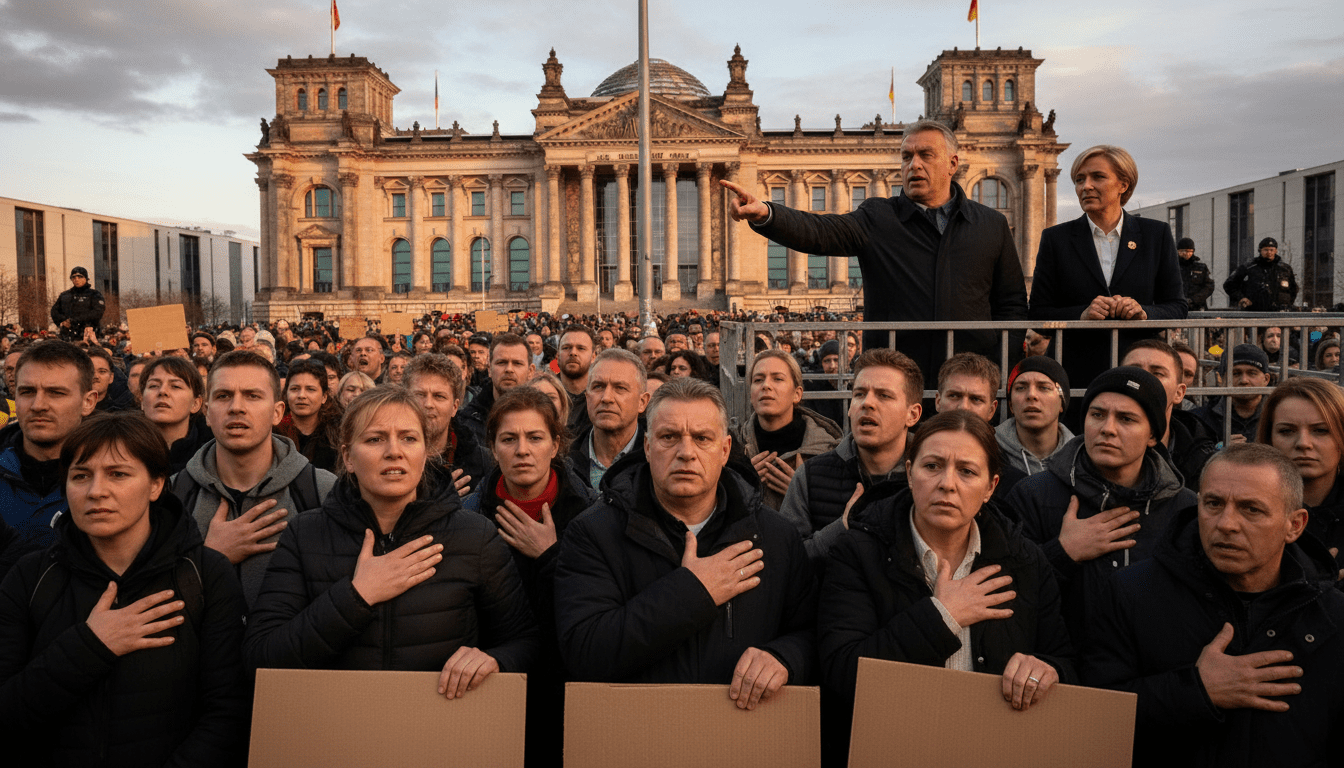
Instrumentalization of Fear Threatens Democracies, Experts Warn
Instrumentalization of fear by political actors, amplified by digital platforms and economic dislocation, is increasingly undermining democratic norms and social cohesion across Europe.
Political actors and movements are deliberately using fear to reshape public debate, analysts say, turning complex policy challenges into existential moral fights that polarize societies. This instrumentalization of fear reframes migration, climate policy and redistribution as zero-sum threats, shifting citizens’ focus from policy trade-offs to identity-based contests. Observers warn that when fear becomes the dominant currency of politics, democratic deliberation and compromise grow more difficult.
Populists Turn Fear into Political Power
Populist forces have refined a simple but potent tactic: reduce ambiguity, create enemies, and promise security through exclusion. By casting disputes as a struggle between a virtuous “people” and a corrupt elite, they convert grievances into mandates for sweeping institutional change.
This strategy succeeds because it treats political debate as a moral battle rather than a search for solutions, making dissent appear disloyal and normal politics illegitimate. As a result, populist leaders can consolidate power while presenting themselves as sole guarantors of safety and order.
Social Media Amplifies Negative Messaging
Digital platforms magnify the reach and emotional intensity of fear-based narratives, especially among younger users who rely on social media for news. Algorithms favor content that provokes strong reactions, and negative, polarizing messages routinely achieve higher engagement and spread faster.
Research indicates that younger age groups often get most of their information from social feeds, where simplified narratives and misinformation can outcompete nuanced reporting. The result is a feedback loop in which fear-driven content gains visibility, while measured, evidence-based discourse struggles to break through.
Mudde’s Framework: Moral Division in Politics
Scholars describe modern populism as a thin ideology that hinges on a moral division of society into “the people” and a supposedly corrupt elite. That conceptual framing helps explain why fear is so useful: it converts policy disputes into moral imperatives and delegitimizes institutional intermediaries.
When political actors present themselves as the exclusive voice of a morally pure majority, they can justify extraordinary measures as necessary to restore the rightful order. This rhetorical shift weakens checks and balances by eroding trust in traditional parties, the media, and independent institutions.
Economic Disruption Fuels Voter Anxiety
Economic change provides fertile ground for fear politics, according to political economy research that links globalization, automation and welfare retrenchment to growing insecurity. Regions and groups that perceive themselves as losing out are more susceptible to narratives that blame outsiders or elites for their decline.
Where state spending and job-creation fail to keep pace with structural shifts, populist claims of abandonment take hold more easily. Policymakers who neglect social mobility and economic inclusion risk amplifying the anxieties that fear-based politics exploits.
Erosion of Democratic Norms and Institutions
As fear-driven narratives reshape public expectations, democratic norms such as pluralism, minority rights and independent oversight come under strain. Political actors who mobilize fear often seek to concentrate authority, curtail dissent and delegitimize rival institutions as part of a broader power grab.
This dynamic reduces the space for deliberative politics and increases the likelihood of institutional polarization, where state bodies are animated by competing partisan loyalties rather than neutral public service. Over time, the cumulative effect can be the hollowing out of democratic safeguards and a shift toward illiberal governance.
Policy Options to Counter Fear Politics
Experts propose a combination of civic, regulatory and economic measures to blunt the appeal of fear-based politics, starting with stronger civic education and media literacy initiatives. Reinforcing independent journalism and platform accountability can also reduce the spread of deliberately manipulative messaging online.
Economically, targeted investments in regions and sectors left behind by globalization can address the tangible causes of anxiety, while social policies that expand opportunity restore faith in collective institutions. Politicians and parties that emphasize practical solutions over moral panic stand a better chance of rebuilding deliberative space.
Democratic resilience will depend on restoring public confidence in institutions and providing credible paths for social and economic advancement, analysts say. Without concrete policy responses and a renewed commitment to factual public debate, the instrumentalization of fear risks reshaping politics in ways that persist long after any single campaign or crisis has passed.
