
NY Daily News Lawyer Seeks Sanctions Against OpenAI Over Alleged Evidence Destruction
NY Daily News attorney asks court to sanction OpenAI, alleging the company hid and destroyed evidence that ChatGPT was trained on stolen journalism now.
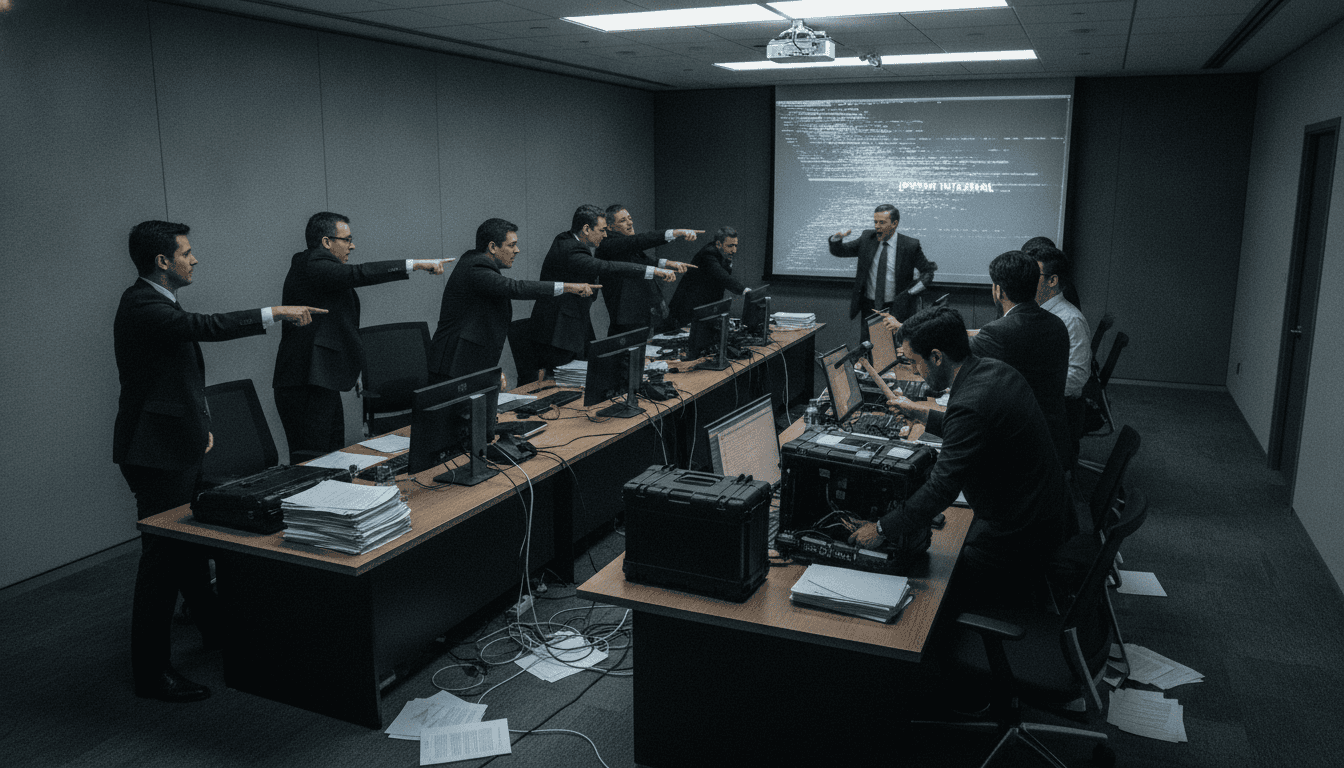
The New York Daily News has asked a court to impose sanctions on OpenAI, alleging the company concealed and destroyed documents that would show ChatGPT was trained using journalism taken without permission. Attorney Steven Lieberman told the court that the newsroom seeks punitive measures and remedies after what he described as a pattern of obstructive conduct. The filing asks the judge to require OpenAI to pay legal costs among other penalties.
Lieberman Seeks Sanctions Over Alleged Evidence Destruction
Steven Lieberman told the court that the paper is seeking punishment because crucial material was removed or hidden during discovery. He framed the requested sanctions as necessary to address what his filing characterizes as deliberate interference with the legal process. The motion specifically requests orders that would shift or impose costs on OpenAI for the alleged conduct.
Allegations Describe Hidden and Destroyed Files
The filing alleges evidence that could demonstrate how the language model was trained on journalistic content was not preserved. Lieberman argued that servers, documents or metadata relevant to training datasets either were withheld or destroyed, impairing the paper’s ability to prove its claims. The complaint does not publish the underlying files in full but asserts their existence and materiality to the dispute.
Legal Remedies Requested Include Attorneys’ Fees
Among the remedies the paper is asking for is an order that OpenAI cover the attorneys’ fees incurred by the publication in pursuing the motion. The request also seeks other typical sanctions available to courts when discovery is thwarted, including adverse findings or evidentiary limitations. The motion emphasizes that shifting costs would remedy the practical and financial prejudice the paper says it suffered.
Courtroom Procedures and Potential Sanctions
If the court finds that evidence was intentionally destroyed or concealed, judges can impose a range of penalties under procedural rules and case law. Sanctions may include fines, orders to pay opposing counsel’s fees, instructions to juries to draw adverse inferences, or in extreme cases dismissal of claims. The paper’s counsel told the judge that sanctions are appropriate both to compensate the newspaper and to deter similar conduct by large technology companies.
OpenAI’s Position and Industry Context
OpenAI has previously defended its data practices as consistent with common AI development and has resisted broad discovery into training materials in other litigation. Companies building large language models have argued that disclosing detailed datasets or internal processes can raise proprietary and privacy concerns. The dispute highlights the tension between news organizations asserting rights over journalism and technology firms asserting the necessity of large, diverse datasets for model training.
Implications for Newsrooms and AI Development
A judicial finding that evidence was hidden or destroyed could influence how courts handle future discovery in AI cases and may prompt stricter preservation orders. News organizations have increasingly pressed legal claims over the use of their reporting in model training, seeking both compensation and guardrails on data use. The outcome of motions over discovery practices may shape negotiations, licensing discussions, and the standards companies adopt for data retention and transparency.
The judge will now consider the motion and decide whether to grant the remedies sought or to order additional fact-finding on the preservation and disclosure of relevant materials. The motion signals heightened scrutiny of how AI developers manage training data in litigation and may accelerate calls for clearer rules around evidence preservation and model transparency.
