
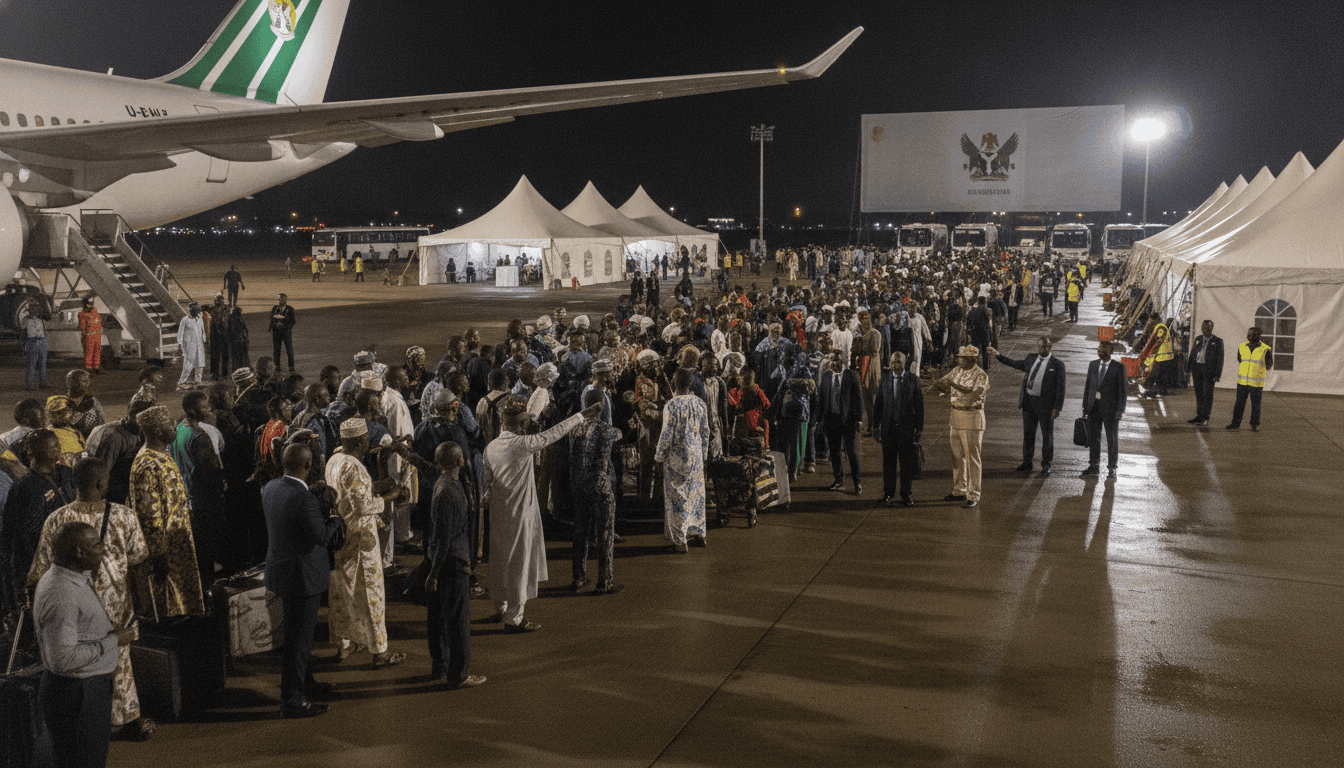
Nigeria evacuates 1,490 citizens from South Africa after xenophobic attacks
Nigeria evacuates 1,490 citizens from South Africa after a surge of xenophobic violence; final flight lands in Lagos as Abuja condemns attacks and signals possible measures.
Nigeria evacuates 1,490 citizens from South Africa following renewed xenophobic attacks that targeted foreign nationals and their businesses. The Nigerian foreign ministry said the repatriation was carried out at the request of those affected, with the last of five evacuation flights — carrying 305 returnees — landing in Lagos on Wednesday. Abuja described the incidents as intolerable, stressing that racism and violence against foreigners cannot be accepted even amid close bilateral ties with South Africa. The evacuations come after weeks of unrest in several South African communities where vigilante groups and mobs have clashed with migrants.
Evacuation operation and numbers
The Nigerian government coordinated five evacuation flights to remove citizens from areas hit by violence, completing the operation with a flight that brought 305 people home. In total, 1,490 Nigerians were repatriated after requesting assistance from consular authorities and community groups on the ground. Officials said the flights were voluntary but framed the evacuation as necessary to protect vulnerable nationals facing repeated attacks. Nigerian consular teams worked with transport providers and local partners to process travel documents and medical checks before departure.
Fatalities and allegations of mistreatment
The Nigerian authorities reported the deaths of two of their nationals amid the unrest, one of whom is alleged to have died during a police interview in South Africa. Those reports have heightened tensions between the two governments and prompted calls in Abuja for a full investigation into the circumstances of the deaths. South African police and justice officials face growing pressure to clarify events and to ensure transparent inquiries into allegations of misconduct. Families of the victims and diaspora representatives have demanded accountability while warning that lack of progress could further strain diplomatic relations.
Patterns of violence and local drivers
The recent incidents reflect a wider pattern of attacks on foreign-born residents that have recurred in several South African townships and urban centres. Self-styled vigilante groups have been implicated in assaults and the looting of shops owned by migrants, often accusing foreigners of contributing to crime and unemployment. Economic hardship, high unemployment rates and organized crime have fueled resentment in some communities, creating a volatile environment where scapegoating can quickly escalate. Humanitarian and community organisations have documented a spike in threats, displacements and property damage linked to the unrest.
Diplomatic fallout and Abuja’s warning
In response to the violence, Nigeria’s government publicly condemned the attacks and warned of unspecified measures if assaults on its nationals continue. The statement underlined that while Nigeria values its relationship with South Africa, violent xenophobia and racial discrimination are unacceptable. Diplomatic channels have been activated as Abuja seeks explanations and assurances on the safety of its citizens who remain in South Africa. Analysts say the episode could prompt wider diplomatic engagement among African states to address migrant protection and law enforcement accountability.
Regional impact as other countries report victims
Nigeria is not alone in facing the fallout: officials from Mozambique and Ghana, among others, have also reported nationals killed or harmed in the disturbances. Those reports point to a regional dimension in which migrants from across the continent have become targets in localized clashes. Governments in the affected countries have had to respond to domestic pressure to secure the return and safety of their citizens. The cross-border nature of the problem has prompted calls for coordinated regional dialogue to address the underlying socioeconomic and governance issues that feed such outbreaks.
Support and reintegration for returnees
Returned Nigerians have been met in Lagos by consular staff and local authorities, who are arranging shelter, medical care and documentation for those in need. Community organisations and diaspora associations are assisting with reintegration, offering temporary accommodation and helping to coordinate longer-term plans for work and housing. Authorities have said they will follow up with psychological support for victims of violence, though such services are often limited and underfunded. Observers note that successful reintegration will require both government resources and sustained community engagement.
As diplomatic efforts continue, the episode has renewed attention to the risks faced by migrant communities in strained economic contexts and the need for robust, lawful responses to prevent future violence. The repatriation of nearly 1,500 Nigerians underscores the human cost of the unrest and the urgency of regional cooperation to protect vulnerable populations.
