
Chancellor Merz: No Immediate Relief on Fuel Prices as Government Prepares Measures
Chancellor Friedrich Merz says no short-term relief on fuel prices is expected as ministers prepare options; Germany pursues diplomacy to reduce Middle East risks to supply.
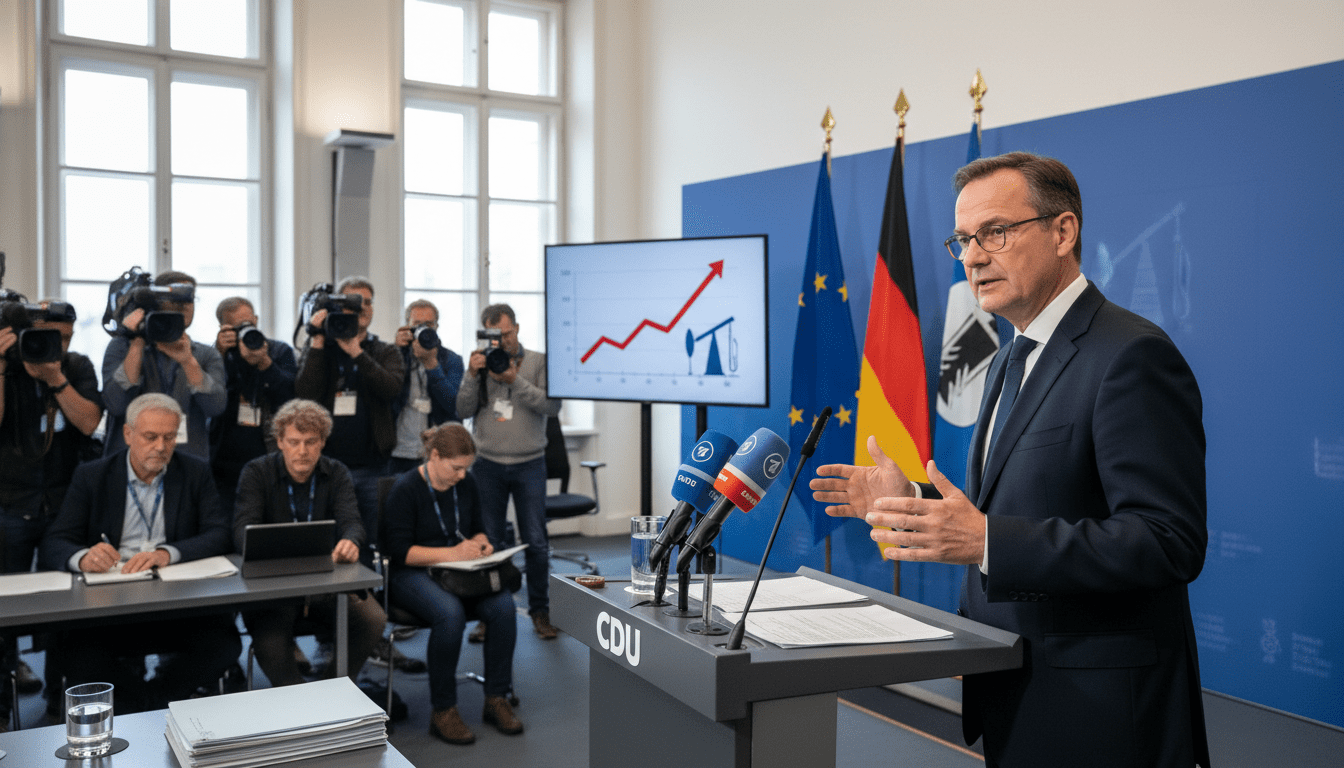
Chancellor Friedrich Merz told reporters at the Chancellery that Germans should not expect immediate relief on fuel prices, as the coalition continues consultations and ministers prepare possible measures. The announcement signals a cautious approach to addressing rising petrol and diesel costs while avoiding interventions that could interrupt supplies. Merz linked potential domestic relief to broader geopolitical developments, saying diplomatic progress could be the most durable way to ease energy market pressure. His comments set the tone for days of behind-the-scenes work by finance and economic ministries.
Merz’s Statement at the Chancellery
Merz framed the decision to delay rapid measures as deliberate and precautionary, emphasizing the need to avoid policies that might trigger shortages. He said he asked Finance Minister Lars Klingbeil and Economics Minister Katherina Reiche to prepare options for the coalition to consider. The chancellor underlined that any steps must be compatible with market stability and with Germany’s obligations to partner countries. His office presented the stance as balancing short-term public expectations with longer-term supply security.
Ministers Tasked with Preparing Policy Options
Officials in the finance and economics ministries were instructed to draw up possible interventions and fiscal measures that could be deployed if the coalition agrees. Those preparatory steps are intended to give the government a menu of options while avoiding impulsive action. Merkel-era restraint was evoked in the chancellery’s language: policymakers are to assess trade-offs such as budgetary cost, timing, and market impact. The government has not set a timeline for decisions, saying deliberations will continue over the coming days and weeks.
Concerns Over Market Intervention and Supply Risks
Merz warned against market interventions that could produce unintended consequences, pointing to examples in other countries where heavy-handed steps have coincided with supply disruptions. Germany’s approach, he said, would prioritize avoiding measures that might discourage imports or provoke rapid price swings. Economic advisors within the coalition are reportedly analyzing how targeted relief — such as temporary tax adjustments or subsidies — could be structured without upsetting supply chains. The chancellor’s emphasis suggests that any consumer support will be calibrated to preserve market functioning.
Ceasefire Between Iran and the U.S. Changes the Risk Picture
In a linked diplomatic development, Merz noted that an announced ceasefire between Iran and the United States has for the moment defused the risk of a wider escalation that had been driving energy market fears. He described the ceasefire as creating a window for challenging negotiations and said it reduces the immediate prospect of conflict-related supply shocks. Merz was cautious, however, noting that a ceasefire is only the start of a complex diplomatic process and that a durable settlement is far from certain. He urged patience and realism about the pace and difficulty of reaching a stable agreement.
Germany to Engage Directly with Iran and Partners
Merkel’s successor signaled that Germany will engage directly with Iranian officials as part of coordinated Western diplomacy aimed at securing safer transit through the Strait of Hormuz. Merz said Berlin will act in concert with the United States and European partners while pursuing its own dialogues with Tehran. One immediate objective is to restore secure shipping lanes for tankers, which would help calm international oil markets and ease upward pressure on fuel prices. German diplomats are expected to work on confidence-building measures that could complement broader negotiations.
Warnings Over Israeli Strikes and Regional Stability
Merz also expressed concern about continuing Israeli strikes in Lebanon, warning that intensified military action there risks undermining any progress toward regional de-escalation. He said he had urged the Israeli government, in conversations with other heads of state, to curb escalatory operations that could derail negotiations. The chancellor argued that a wider conflagration would worsen energy market volatility and exacerbate pressures on consumer fuel costs in Europe. He stressed that preventing further deterioration is a central diplomatic priority for Berlin.
The chancellor concluded by linking the domestic challenge of fuel prices to international security: sustainable relief at the pump, he said, ultimately depends on stable supply routes and a de-escalated region. Until diplomatic efforts produce clearer results, the government will continue to prepare targeted options while refraining from measures that could trigger shortages. German officials signaled that any future steps will be coordinated across ministries and allied governments to balance consumer relief with market resilience.
