
German municipal heat planning advances as 71% of large cities complete heat plans ahead of June 30, 2026 deadline
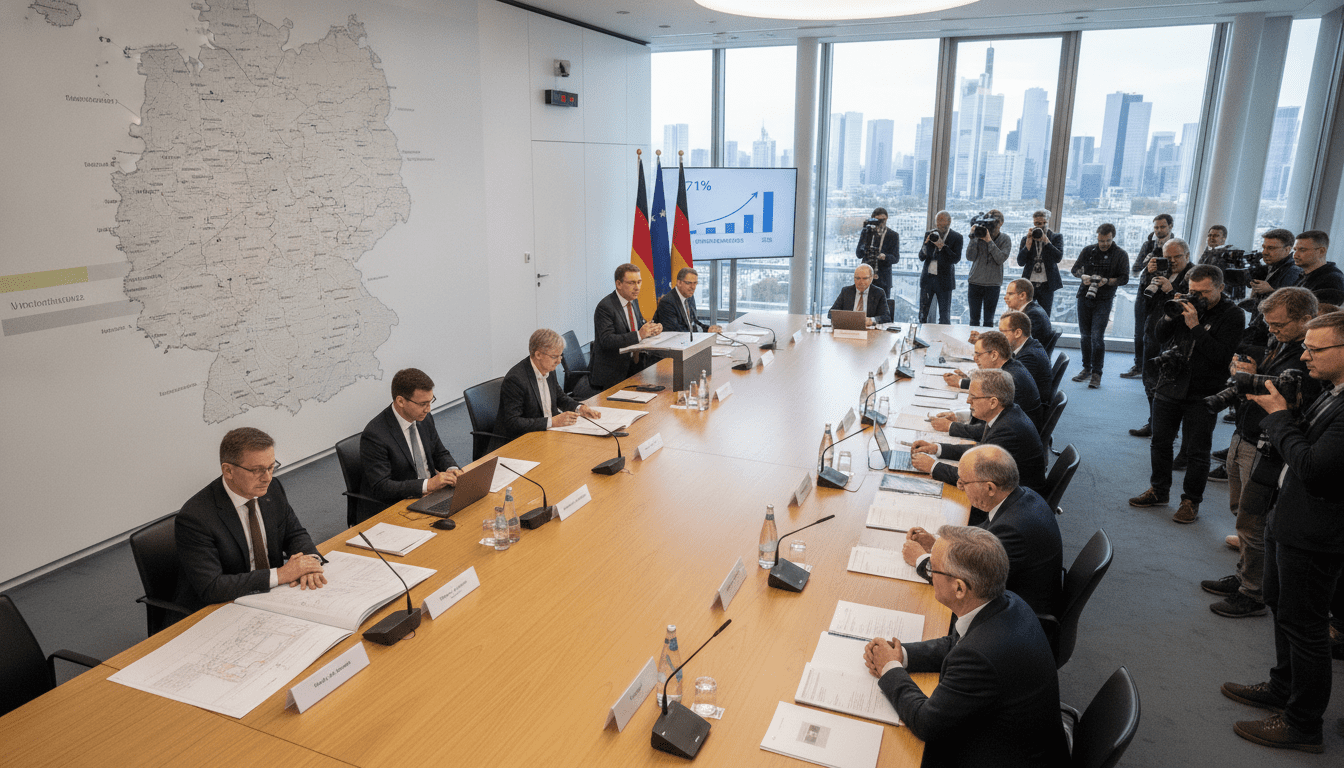
Germany’s municipal heat planning shows strong progress, with 71% of cities over 100,000 inhabitants having completed municipal heat planning ahead of the June 30, 2026 deadline, the Competence Center for Municipal Heat Transition (KWW) at the German Energy Agency reports. A total of 80 large cities must file plans; the remaining municipalities have until June 30, 2026 to submit their strategies. The nationwide push follows the Wärmeplanungsgesetz adopted in December 2023 and aims to map how households, businesses and industry will reach climate-neutral heating by 2045.
Major Cities Close to Fulfilling Heat Planning Mandate
Large German municipalities have moved rapidly to meet the statutory requirement, with substantial variation across federal states. Some regions, including Hamburg, Schleswig-Holstein, Lower Saxony, Hesse and Baden-Württemberg, had longstanding obligations that accelerated their preparation. The KWW assessment shows momentum: many cities finished planning earlier than the legal deadline, while a minority now face a tight timetable to file by June 30, 2026.
Completed plans set out which urban areas should be served by district or local heat networks, which areas are likely to remain connected to gas grids that may be repurposed for biomethane or hydrogen, and where heat pumps are the preferred solution. The law does not create an individual legal entitlement to a specific heat supply, and many plans initially define broad zones rather than plot-level mandates.
Hannover’s Push: Network Expansion and Decarbonisation Targets
Hannover stands out as a practical model in the municipal heat planning rollout, aiming for district heating to cover roughly two-thirds of the city’s heat demand by 2040. The municipal utility Enercity reports it has completed its heat plan and is implementing network extensions, including new heat corridors and the early retirement of fossil generation capacity. The city has also introduced an obligation to connect to and use the heat network in designated areas, compelling property owners to join when their old systems fail.
Enercity is deploying a mix of technologies to reduce emissions, planning large heat pumps, biomass combined heat and power, and Power-to-Heat installations, alongside greater use of waste incineration heat. Hannover is targeting a fully climate-neutral district heating network by 2035, an ambition that requires rapid build-out of low-carbon supply and infrastructure upgrades.
Legal Timelines and Renewable Share Requirements
The Wärmeplanungsgesetz agreed in December 2023 requires municipalities to design transition pathways that lead to climate-neutral heat supplies by 2045. The law also sets staged decarbonisation benchmarks for existing heat networks: from 2030 each network must source at least 30% of heat from renewable energy or unavoidable waste heat, rising to 80% by 2040. These targets force network operators and local governments to accelerate investments in renewables, recovery of industrial and data-center waste heat, and conversion technologies.
Medium-sized municipalities received an extended compliance window and must submit their plans by June 30, 2028, reflecting staggered capacity to develop detailed scenarios. The phased timetable aims to balance ambition with administrative feasibility, while still driving a nationwide shift away from fossil heating systems.
Smaller Municipalities Gain Simplified Requirements
Recognizing the limited resources of small towns, a federal cabinet decision at the end of May 2026 proposes simplified procedures for municipalities with fewer than 15,000 residents. Under the draft measures developed by the Federal Ministry for Economic Affairs and the Federal Ministry of Building, these communities can avoid full, resource-intensive analyses of building stock and supply potential. Instead, they may follow streamlined assessments and planning templates to set realistic decarbonisation pathways.
Proponents argue the simplification will reduce administrative burden and speed up adoption, while critics caution that lighter requirements risk producing plans that lack the local detail needed for effective implementation. The cabinet’s decision signals an effort to align national climate targets with municipal capacities without sacrificing overall ambition.
Implementation Challenges and Local Economic Opportunities
Municipal heat planning reveals both technical and political hurdles, including state-by-state regulatory differences, limited grid capacity, and financing needs for network extension and conversion. Many cities report stronger demand for district heating than current networks can accommodate, creating short-term bottlenecks. At the same time, municipalities stress the economic opportunity: local heat transitions can retain value creation and jobs that otherwise would flow to external suppliers.
The prospect of a European emissions trading system covering buildings and transport could further shift the economics in favor of low-carbon district heating, according to local utility officials. Yet uncertainties remain about market design, financing mechanisms and how to balance consumer protection with investment incentives.
Local plans also must address the decarbonisation of existing networks supplied today by coal or gas, requiring operators to integrate renewable sources, recover industrial heat and deploy large-scale heat pumps. For many cities the immediate challenge is converting high-level planning into concrete construction schedules and permitted projects.
The coming weeks and months will be decisive as the remaining large cities finalize submissions by June 30, 2026 and as ministries move to implement simplified rules for small municipalities following the cabinet decision at the end of May 2026. Municipalities, utilities and policymakers now face the task of turning municipal heat planning into funded projects, regulated frameworks and on-the-ground upgrades that together can deliver decarbonised urban heating at scale.
