
Kubicki demands repeal of §188, calling politician‑insult law a threat to free speech
Wolfgang Kubicki calls to abolish §188, saying the politician‑insult law curtails free speech and criticizing reporting portals and public shaming now.
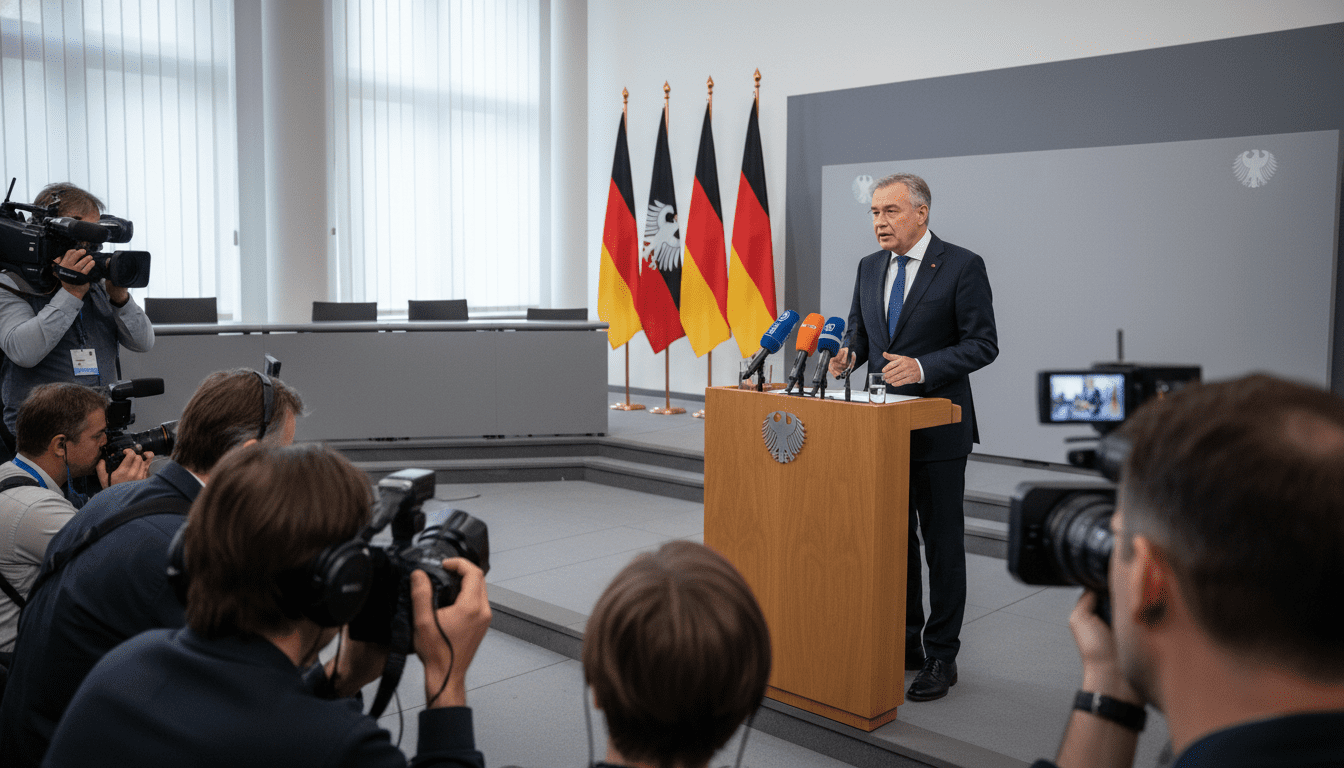
Wolfgang Kubicki used a keynote address to call for the repeal of §188 of the German Criminal Code, arguing the statute unduly restricts freedom of expression and political debate. He framed the demand as central to a program that prioritizes the individual, warning that legal limits on insult provisions risk chilling public discussion. Kubicki’s remarks, delivered informally with a hand in his pocket, pressed the point that criminalizing certain political insults moves the country closer to an authoritarian approach to dissent. The statement that the paragraph “must go” underscored his call for legislative change and set up a likely political clash over free‑speech boundaries.
Kubicki frames his platform around individual liberty and market principles
In his address Kubicki stressed personal responsibility, performance‑based fairness and a market economy as pillars of the party’s direction. He positioned tolerance for differing opinions alongside respect for the rule of law as nonnegotiable elements of democratic life. The speech repeatedly returned to the idea that the individual stands at the center of policy, and that state power should not be used to silence citizens. This philosophical framing was used to justify his demand to abolish §188 as inconsistent with liberal democratic norms.
Criticism of reporting portals and online outrage as censorship tools
Kubicki targeted so‑called reporting portals and the dynamics of online outrage as mechanisms that can suppress unpopular viewpoints. He suggested that platforms enabling mass complaints or organized denunciations can functionally limit public debate without due process. By calling out these practices, he tied contemporary concerns about digital public life to the legal protections he said must be rebalanced. His remarks highlighted a tension many lawmakers now face between combating abuse and preserving open discussion.
The legal challenge: politician‑insult statutes and democratic debate
At the heart of Kubicki’s intervention is a legal objection to criminal penalties for insults aimed at public figures. He argued that the mere existence of such criminal provisions exerts a chilling effect on robust political exchange and deters citizens from voicing harsh criticism. The demand to abolish §188 frames the dispute as one between procedural protections and the need for vigorous, sometimes abrasive, political contestation. Kubicki did not, in the remarks reported, lay out a specific legislative alternative, instead insisting the criminalization itself should be removed.
Potential reactions among parties and civil society
Kubicki’s call is expected to provoke immediate responses from across the political spectrum and from rights organizations. Proponents of stronger protections for public figures argue that without penalty some discourse can become destructive or delegitimizing. Civil liberties advocates and some liberals counter that criminal sanctions are a blunt instrument for regulating political speech and that proportional civil remedies or platform governance may be preferable. That debate over remedies is likely to shape whether the proposal to abolish §188 gains traction in parliamentary committees.
Practical implications for enforcement and public life
If lawmakers were to move toward repeal, prosecutors and courts would face a shift in how insults and defamation are managed in the public sphere. Removing criminal liability would place greater emphasis on civil litigation, reputational remedies and platform moderation policies. Supporters of repeal contend this change would preserve more space for dissent, while opponents warn it might make it harder to deter targeted harassment of officials. Kubicki’s intervention therefore raises questions about how to balance protection of individuals with the need for open political contest.
Timing and the broader political context
The speech arrives amid ongoing debates over digital speech, platform responsibility and the limits of liberal pluralism in Germany. By foregrounding the demand to abolish §188, Kubicki injected a clear policy objective into conversations about the party’s identity and legislative priorities. The timing suggests an attempt to steer internal party debate toward civil liberties themes ahead of future parliamentary discussions. Whether colleagues and coalition partners will embrace a repeal or prefer narrower reforms remains uncertain and will determine the next stage of the discussion.
Kubicki’s pronouncement that §188 “must go” crystallizes a wider argument about where legal red lines should be drawn in democratic discourse, and it sets up a sustained conversation about the proper remedies for insult, reputation and the management of online complaint mechanisms.
