
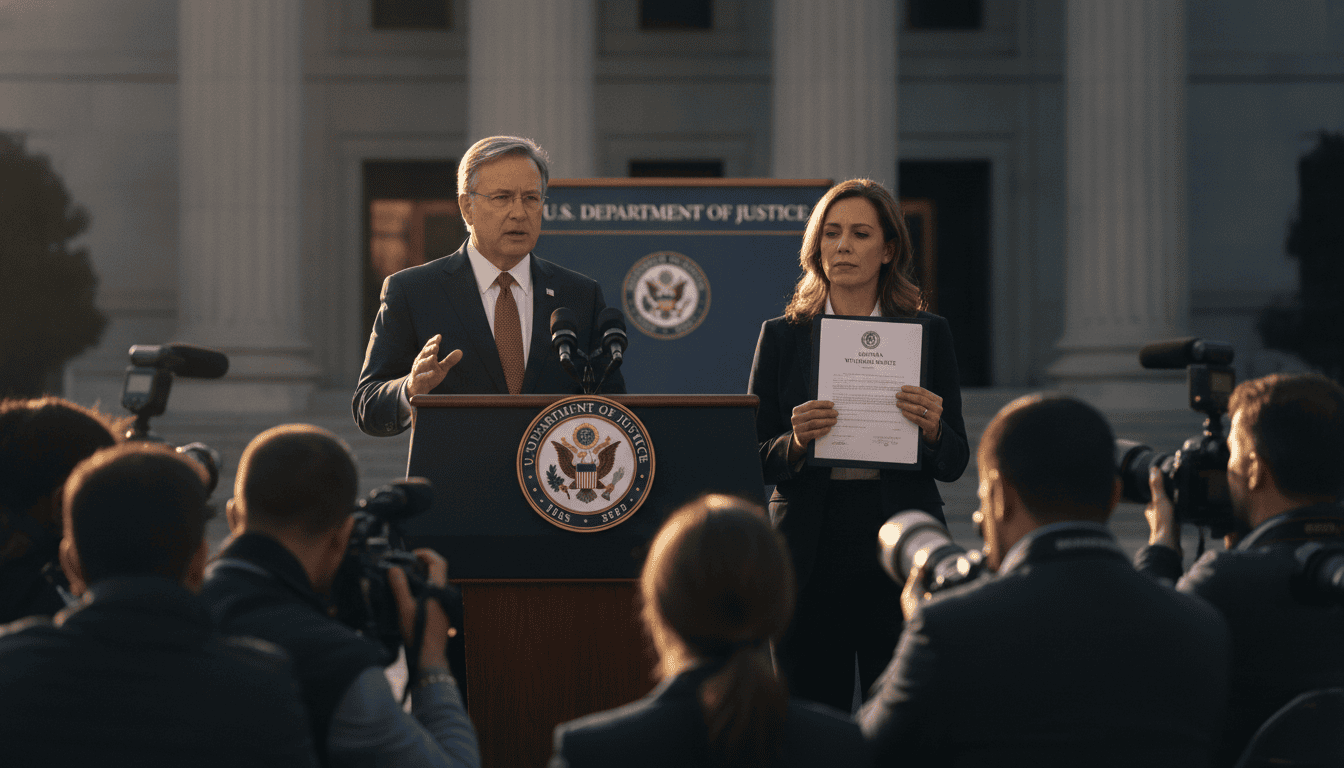
U.S. Government Withdraws Subpoenas for New York Times Reporters in Air Force One Leak Probe
U.S. withdraws subpoenas seeking New York Times reporters’ testimony in Air Force One leak probe after a federal judge rebuked Justice Department officials.
The U.S. government on July 23, 2026 withdrew subpoenas that had sought to compel three New York Times reporters to testify about sources for a story concerning an Air Force One jet, a move that followed sharp criticism from a federal judge. The decision to withdraw the subpoenas came after Judge Arun Subramanian reprimanded Justice Department lawyers for what he described as improper legal tactics. The development underscores tensions between national security investigations and press protections as the administration pursues leaks tied to the president’s travel.
Judge Rebukes Justice Department in Open Court
Judge Arun Subramanian chastised government attorneys during Thursday’s hearing, telling them subpoenas should be a last resort rather than a first step in a probe of potential leaks. He suggested the court might consider sanctions if the proceedings had been a civil matter, signaling strong judicial skepticism of the government’s approach. The judge’s remarks set the immediate tone for the case and coincided with the government’s withdrawal of the demands.
Details of the Subpoenas and Records Sought
The withdrawn subpoenas had sought testimony from three Times reporters and access to phone records for several journalists and their relatives, according to court filings and reporting. Prosecutors had used a grand jury mechanism to request the information as part of a broader leak investigation. The New York Times challenged the legitimacy of those grand jury demands and argued the subpoenas threatened core newsgathering practices.
New York Times Mounts Legal Challenge
Representatives from the Times, including senior newsroom leaders and in-house counsel, attended the hearing and contested the subpoenas’ scope and necessity. The newspaper argued the measures would chill reporting by exposing confidential sources and their networks. The paper’s lawyers urged the court to protect journalistic privilege and to limit the government’s reach into reporters’ communications.
Similar Actions Previously Withdrawn Against Other Outlets
The withdrawal follows a pattern in which federal prosecutors recently backed away from similar subpoenas directed at reporters from other major outlets, including the Washington Post and the Wall Street Journal. Those prior withdrawals have prompted legal and public scrutiny over the Justice Department’s tactics in leak investigations. Civil liberties groups and press organizations have cited the pattern as evidence of increasing executive pressure on investigative journalism.
Government Frames Probe as Targeting Leakers, Not Reporters
The Justice Department maintained that its focus is on identifying individuals who leaked classified information, not on punishing reporters, and said reporters were not targets of the investigation. Prosecutors asserted the information sought was critical to determining who provided government materials to the press. Nonetheless, the use of grand jury subpoenas for journalistic material drew criticism from judges and newsroom advocates who warned of long-term harm to source-based reporting.
Security Concerns at Center of the Inquiry
The story at the center of the inquiry involved reporting on an Air Force One aircraft that President Trump was said to have flown back from an international summit in Turkiye, rather than using a newer plane reportedly gifted by Qatar and then substantially upgraded at a cost the government estimated at $400 million. The Secret Service had reportedly raised concerns about certain security features on the newer aircraft, and that information figured into the reporting that prompted the leak investigation. Those operational and safety details heightened the government’s interest while also underscoring why newsrooms argue source protection is essential for public-interest reporting.
The withdrawal of these subpoenas is likely to prompt renewed debate over DOJ policies for handling leak investigations and the proper balance between national security interests and press freedom. Legal experts say the case could influence how lower courts treat grand jury requests for reporters’ materials and whether additional statutory or policy safeguards will be deemed necessary. News organizations are watching closely for any administrative changes or further courtroom disputes that could affect source confidentiality.
Observers say the outcome highlights a fraught choice for prosecutors seeking to enforce secrecy laws without undermining investigative journalism that informs the public on matters of government conduct and security. The government’s decision to step back in this instance may reduce immediate legal pressure on the Times reporters, but it leaves unresolved questions about how future leak investigations will be conducted and what rules will govern interactions between prosecutors and the press.
