
Juri Hollmann returns to cycling a year after 67 km/h Giro crash
Juri Hollmann returns to cycling a year after a 67 km/h crash at the Giro d’Italia, recovering from life-threatening injuries and starting staged light rides.
Harrowing Giro crash and immediate aftermath
Juri Hollmann suffered a violent crash during the Giro d’Italia in May 2025 when he struck a roadside sign at about 67 km/h, an impact that left him fighting for his life. The German rider, who had ridden for the Alpecin‑Deceuninck squad until the accident, was rushed from the scene and required urgent hospital treatment. Team and medical sources described the episode as one of the most serious incidents of that race, and it set in motion a prolonged emergency and recovery effort.
Emergency treatment and intensive care
Following the collision Hollmann received immediate emergency care and was admitted to an intensive care unit where physicians stabilized his condition. Medical teams worked to manage multiple critical injuries and to limit complications that can follow high‑speed trauma on public roads. Sources close to his care stressed that those early hours and days were decisive in preventing further deterioration and allowing a realistic path toward recovery to open.
Long rehabilitation with steady progress
Over the past twelve months Hollmann has undergone an intensive rehabilitation programme combining physical therapy, specialist consultations and gradual conditioning work to rebuild strength and coordination. Progress was measured in small, monitored steps — from controlled mobility exercises to longer physiotherapy sessions and supervised cycling on trainers. Rehabilitation also addressed the psychological aftermath of a near‑fatal crash, with medical professionals and counsellors helping him process the trauma and regain confidence on the bike.
Gradual return to riding on the road
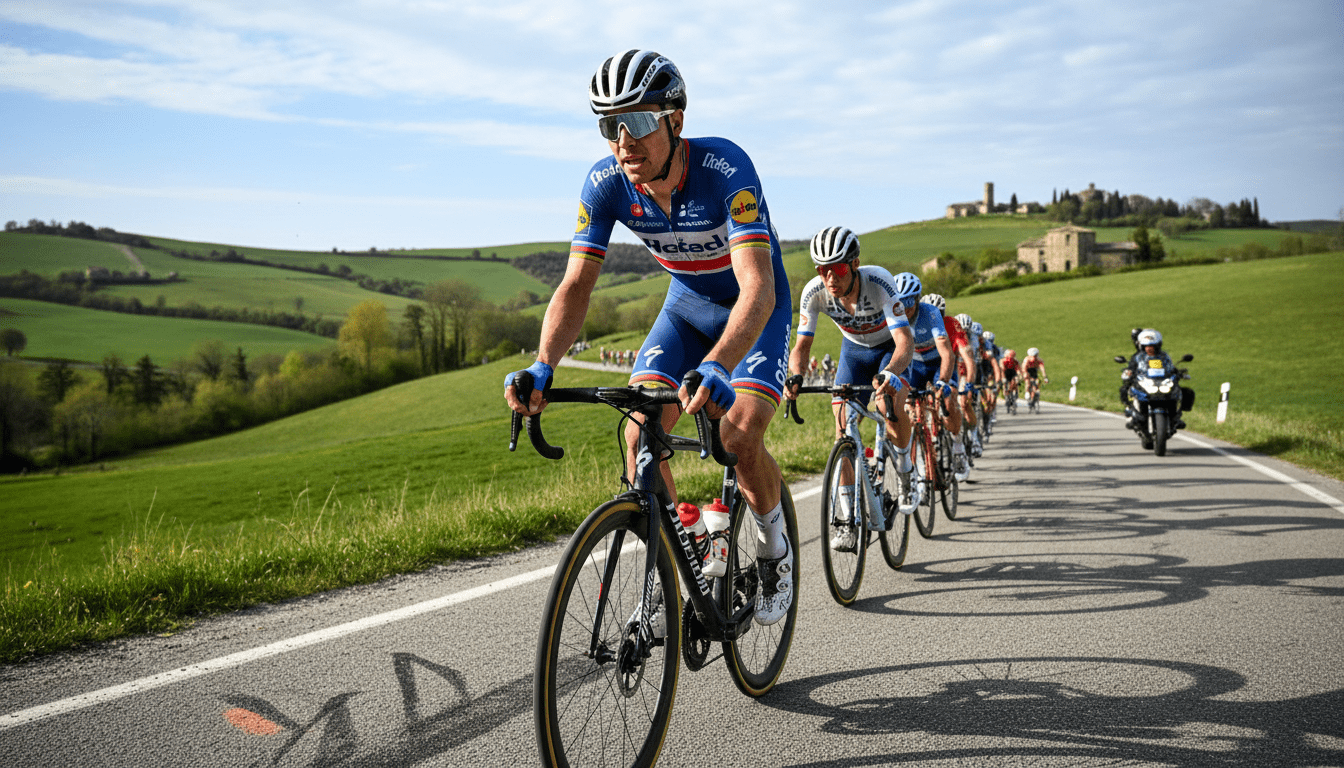
In recent weeks Hollmann has begun staged outdoor rides that are tightly controlled and supervised, marking a cautious reintroduction to the demands of road cycling. Initial sessions prioritized low speed, short duration and careful route selection, while performance staff assessed balance, reaction times and tolerance for sustained effort. His team emphasises that these activities are training milestones rather than a return to competitive racing, with fitness and safety continuing to govern every decision.
Support from team, family and specialists
Alpecin‑Deceuninck, the team Hollmann rode for prior to the accident, has been publicly cited as part of the support network that helped coordinate medical advice and rehabilitation resources. Family members and close friends have been present during crucial phases of recovery, providing continuity and motivation as Hollmann faced setbacks and breakthroughs. Rehabilitation physicians and sports medicine specialists continue to evaluate his readiness, recommending a staged plan that balances ambition with prudence.
Broader safety questions for professional racing
Hollmann’s crash has renewed attention to the risks riders face from roadside infrastructure and the fine margins that separate training or racing from catastrophe. Race organisers, teams and governing bodies have an existing dialogue about protective measures, course design and the placement of signage, but incidents like this often sharpen calls for specific changes. Observers say the episode may influence how future races assess course hazards and how teams prepare riders for unavoidable external dangers.
Juri Hollmann’s return to supervised riding a year after the Giro crash stands as a visible testament to a difficult recovery that combined emergency care, long rehabilitation and sustained personal resolve. While medical teams and his support network continue to stress caution, his incremental progress offers a measured optimism about the possibility of resuming higher levels of cycling activity in the months ahead.
