
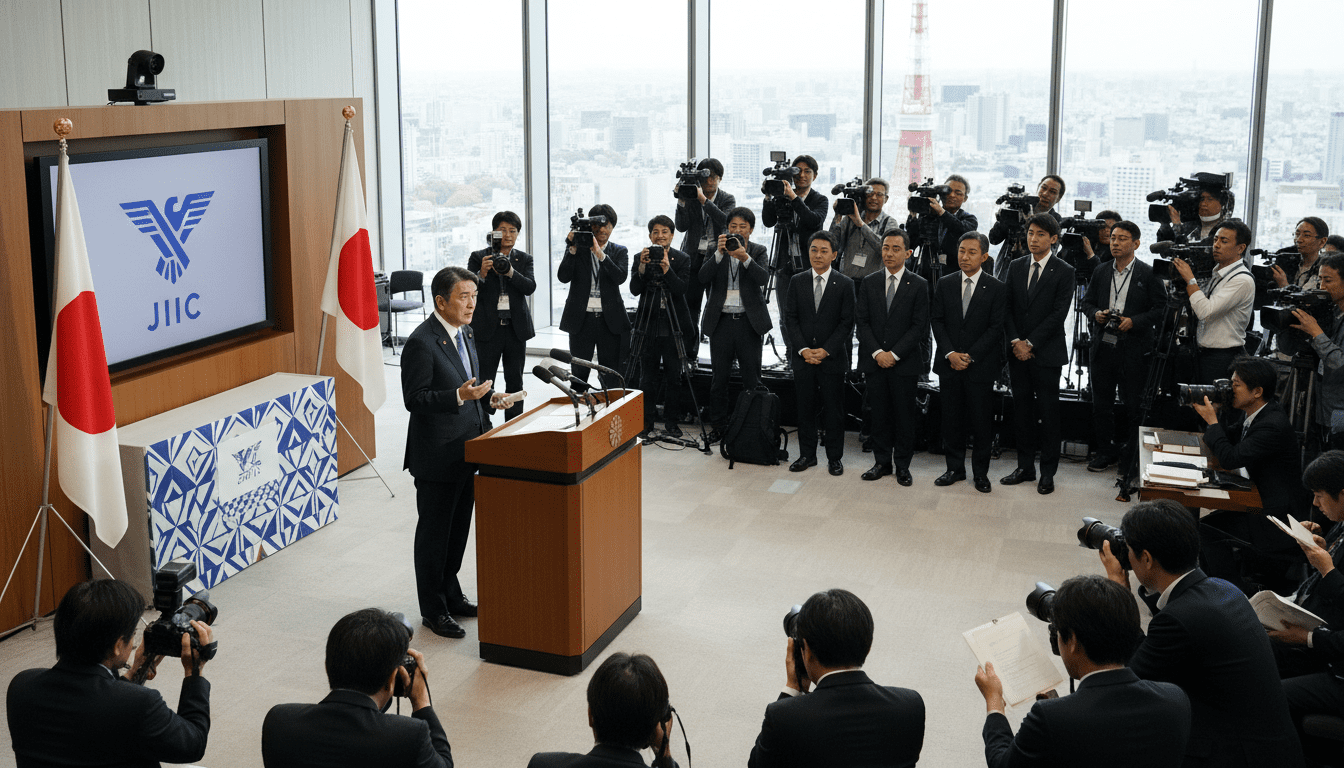
Japan arms export rules loosened as Prime Minister Takaichi advances intelligence service and missile deployments
Japan arms export rules loosened as PM Sanae Takaichi approves intelligence agency and missile deployments, shifting Tokyo’s postwar security posture.
Japan’s government has moved to relax long-standing restrictions as part of a broader pivot in national security policy, loosening Japan arms export rules and approving the creation of a national intelligence service. The measures, enacted within weeks of one another, mark a decisive change in postwar practice and signal a more assertive Tokyo on defense and intelligence. Prime Minister Sanae Takaichi, who took office in October, has framed the steps as necessary to safeguard Japan amid rising regional tensions.
Takaichi frames policy as response to regional threats
Prime Minister Takaichi has argued that Japan faces an increasingly fraught strategic environment as neighbors expand military capabilities. Tokyo cites the modernization and buildup of forces in China, Russia and North Korea as drivers for revising long-standing postwar constraints.
Officials say the changes are intended to reduce Tokyo’s reliance on foreign intelligence and to give Japanese planners greater autonomy in responding to crises. Takaichi’s national-conservative approach emphasizes national resilience and a more independent security posture.
Legal change loosens postwar export constraints
The government moved to relax the near-total ban on exporting weapons that has governed Japan since World War II, amending rules that distinguished between lethal and non-lethal military transfers. Authorities describe the shift as a recalibration rather than a wholesale abandonment of pacifist principles.
Under the new framework, Tokyo can authorize a broader range of defense-related exports and technology transfers, subject to oversight and criteria intended to prevent escalation. Proponents argue the change will allow Japan to deepen industrial ties with like-minded partners and strengthen supply chains for defense hardware.
New national intelligence service approved
Alongside export rule changes, the cabinet approved plans to establish a national intelligence service aimed at consolidating domestic and foreign threat analysis. The proposed agency is designed to reduce Tokyo’s dependence on information from allied services and to improve coordination across domestic security bodies.
Ministers say the service will focus on cyber threats, foreign interference and strategic warning, and will operate with legal safeguards to balance effectiveness and civil liberties. The move has been framed as a modernization of Japan’s security architecture rather than the creation of a covert operations force.
Missile deployments bolster southwestern defenses
Tokyo has begun stationing newly developed medium-range missiles on islands in its southwestern chain, expanding the Self-Defense Forces’ strike and deterrence options. These deployments increase reach beyond traditional point-defense systems and are intended to hold potential threats at greater distance.
Japanese officials emphasize the missiles are defensive in purpose, but the extended ranges mean targets along the Chinese coast and in the Korean Peninsula could be within reach. The deployments were practiced in a large exercise with the United States and the Philippines, in which Japan’s forces played a central role.
Allied engagement and industrial implications
Takaichi has courted other middle powers to bolster Japan’s diplomatic and defense networks, hosting several G7 leaders in Tokyo since taking office. The new export rules are already generating interest from foreign defense firms and governments seeking alternative suppliers and collaborative projects.
Germany, for example, has explored closer defense ties with Tokyo, and German industry stands to benefit from broader access to Japanese technologies. Officials in Tokyo and European capitals describe the adjustments as part of a wider effort by democracies to deepen strategic industrial cooperation.
Taiwan contingency and economic vulnerabilities
Analysts warn that Japan’s shifts will be tested most severely in a crisis over Taiwan, where geographic proximity and trade interdependence make any blockade or conflict especially dangerous for Tokyo. A blockade of sea lanes to mainland China would have profound consequences for Japanese imports and exports, potentially exceeding recent disruptions in other global chokepoints.
Tokyo’s policy changes are partly a hedge against scenarios in which allied support could be delayed or constrained, but they also raise the stakes for escalation in an already tense region. Policymakers acknowledge the difficulty of balancing deterrence, alliance cooperation and the risks of provoking further insecurity.
Japan’s move to relax arms export rules and build an independent intelligence capability represents a clear strategic reorientation that aims to increase national autonomy and industrial resilience. Whether the measures will achieve greater security without prompting destabilizing reactions from regional actors remains the central question facing Tokyo and its partners.
