
Israeli strikes on southern Lebanon kill at least three as videos show aftermath
Israeli strikes on southern Lebanon killed at least three and wounded dozens, videos show aftermath, Lebanon’s Health Ministry said on May 30, 2026, and others.
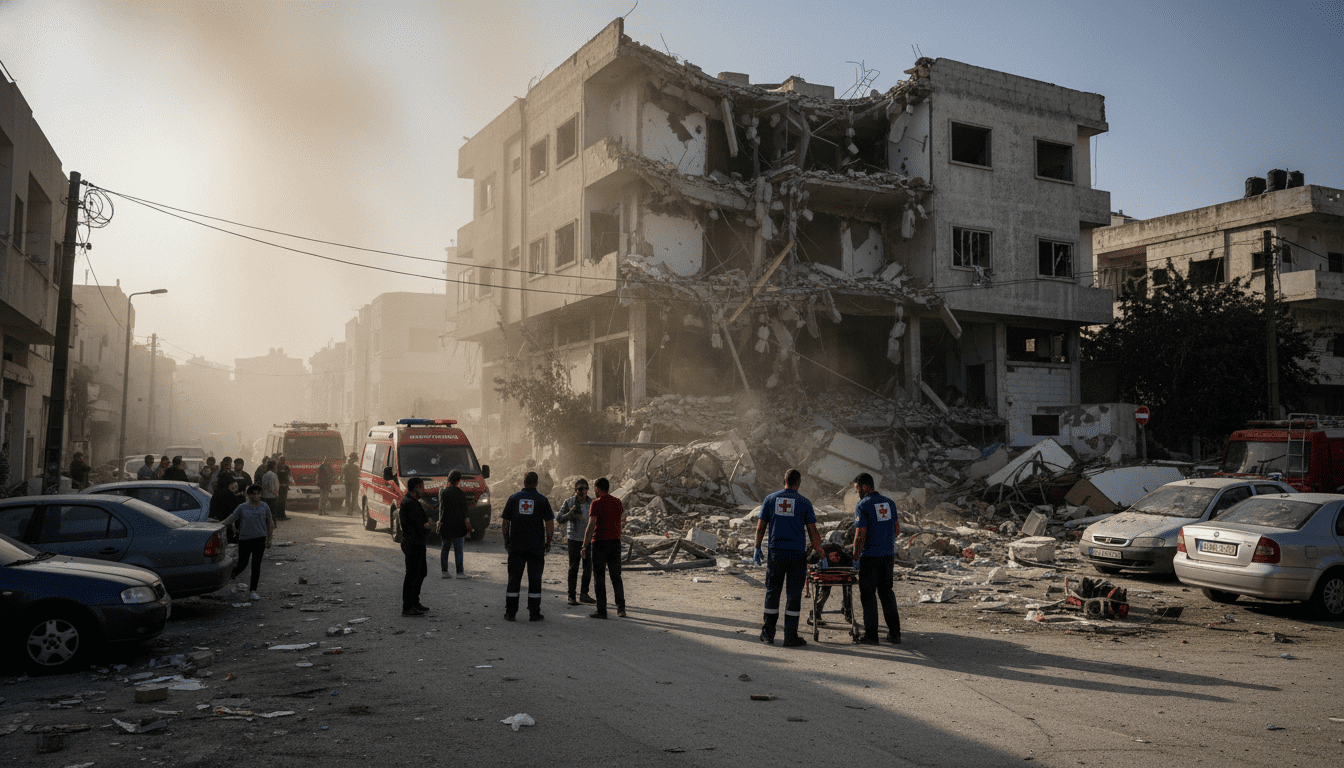
A wave of renewed Israeli strikes on southern Lebanon on May 30, 2026, killed at least three people and wounded dozens, Lebanon’s Health Ministry said, as videos circulated online showing damaged homes, burning debris and emergency crews at work. The initial reports said the fatalities included a father and his son, and hospitals in the area took in multiple casualties while rescue teams cleared wreckage. The footage posted by residents and local outlets captured the immediate aftermath and raised alarm among communities already living close to the border.
Casualties and official figures
Lebanon’s Health Ministry provided the casualty figures, reporting three confirmed deaths and dozens of wounded in the strikes that hit communities in the south. Local medical sources described a mix of injuries ranging from shrapnel wounds to trauma from collapsing structures, and authorities said they were still accounting for the full toll. Officials emphasized the provisional nature of early counts and warned that numbers could rise as emergency teams complete search and rescue operations.
Video footage and on-the-ground images
Multiple videos shared on social media and by local broadcasters showed scorched buildings, ruined vehicles and ambulances transporting the injured to nearby hospitals. Several clips captured civilians pulling survivors from rubble and firefighters extinguishing small blazes, while others showed terrified residents surveying structural damage to their homes. The raw visual material — often filmed with handheld devices — provided immediate, ground-level perspectives of the destruction but varied in verification and sourcing.
Medical response and hospital capacity
Hospitals in southern Lebanon reported receiving waves of patients following the strikes, and emergency departments activated trauma protocols to manage the influx. Medical staff described triage operations to prioritize life-threatening injuries, while local clinics assisted with non-critical cases and bandaging. Health authorities urged residents to avoid congesting hospital entryways unless in urgent need, and ambulances were deployed across affected towns to coordinate patient transfers.
Civilian impact and displacement
Residents in border communities said they were shaken by the renewed strikes and some fled to safer areas, at least temporarily, to avoid possible secondary attacks or unexploded ordnance. Local municipal leaders described damage to private homes, agricultural land and basic infrastructure, contributing to short-term displacement and loss of livelihoods. Humanitarian groups and community volunteers were reported to be assisting families with shelter, food and immediate relief, though the scale of needs remained under assessment.
Border tensions and regional context
The strikes occurred amid a backdrop of long-standing tensions along the Israel-Lebanon frontier, where periodic cross-border exchanges have in past years resulted in civilian harm and property damage. Observers noted that flare-ups along the border can escalate rapidly and complicate efforts to protect non-combatants in populated areas. While the precise triggers for the May 30 strikes were not detailed in the immediate post-strike material, analysts say such incidents often reflect the complex, localized dynamics of the broader conflict environment.
Official statements and information gaps
At the time of the reporting, the Lebanese Health Ministry’s figures were the principal official casualty account publicly available, while local authorities continued to verify the number of buildings damaged and people displaced. There was no immediate comprehensive statement from international monitoring bodies in the footage examined, and various accounts from municipal officials and medical staff were being consolidated. Journalists and emergency responders cautioned that early reports can change as access to some sites is impeded and verification proceeds.
The strikes on May 30 underscored the vulnerability of civilians living near active front lines and renewed calls by humanitarian organizations for measures to prevent additional civilian harm. As investigations and damage assessments continue, health officials and local leaders are focused on meeting immediate medical needs and restoring basic services for affected communities. The situation remains fluid and authorities urged residents to follow official safety guidance as recovery efforts proceed.
