
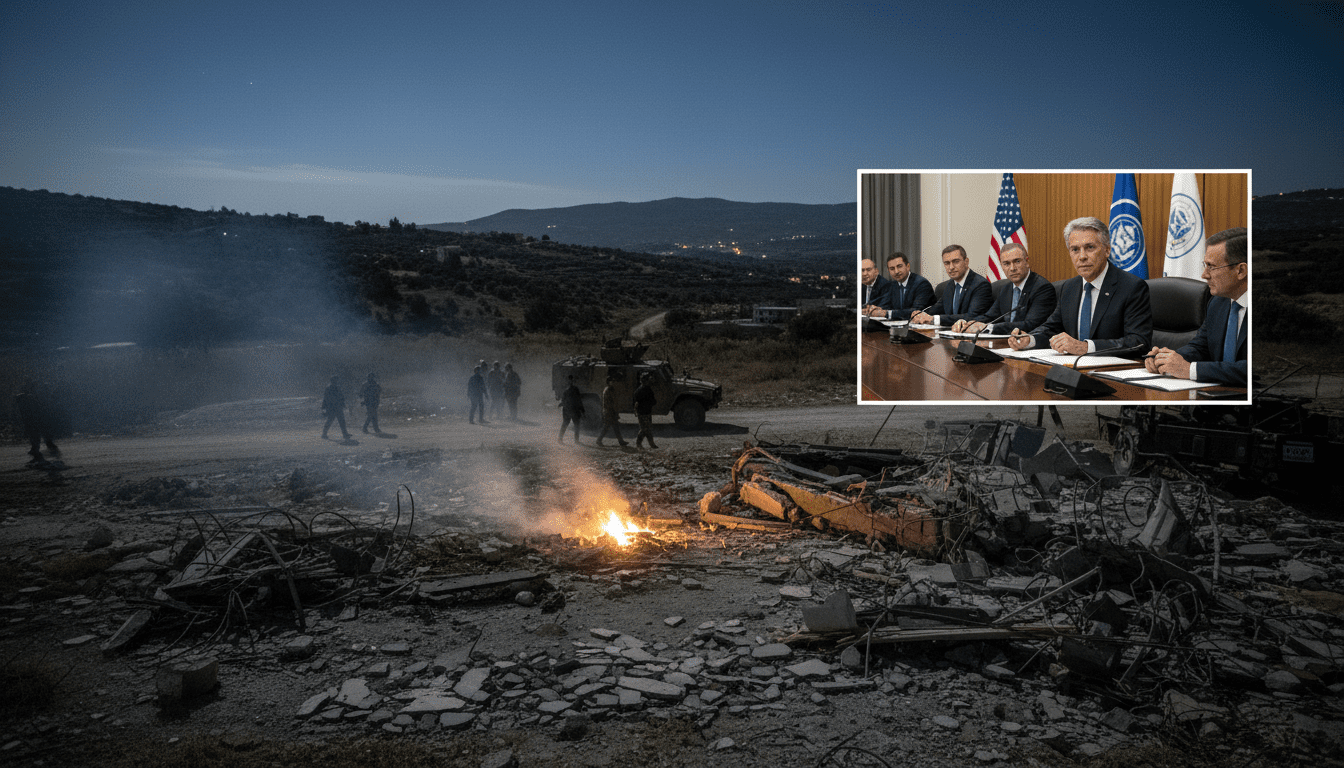
Israel army says striking Hezbollah in southern Lebanon ahead of U.S.-brokered Washington talks
Israel strikes Hezbollah in southern Lebanon ahead of U.S.-brokered Washington talks, as the Israeli military says it launched strikes across southern Lebanon. (159 characters)
Israeli forces said they launched strikes against Hezbollah positions across southern Lebanon on Thursday, a move the military described as action against what it called rebuilding militant infrastructure ahead of U.S.-brokered talks in Washington. The phrase “Israel strikes Hezbollah in southern Lebanon” was used by Israeli officials in public statements as the strikes began hours before envoy-level discussions were due to start. The operation increased tensions on the frontier and drew immediate international attention to the timing of the attacks. (arabnews.com)
Israeli military: strikes across southern Lebanon
The Israeli military released statements saying air and guided-munitions strikes hit multiple Hezbollah targets across the south, describing the operations as preemptive measures to disrupt the group’s military capabilities. Officials posted operational summaries on official channels, asserting the strikes were selective and directed at militant infrastructure rather than civilian sites. Israeli authorities framed the operation as necessary to prevent the reconstitution of capabilities that had threatened northern Israel in recent months. (investing.com)
Timing ahead of U.S.-brokered Washington talks
The strikes came just hours before Washington was scheduled to host talks aimed at reducing hostilities and addressing the long-standing Israel-Lebanon frontier dispute. U.S. officials have been mediating contact between the two sides, arranging ambassador-level meetings intended to cement a fragile ceasefire and discuss security arrangements. The proximity of the strikes to the opening of the talks raised concerns among diplomats that battlefield developments could undercut the negotiating atmosphere. (apnews.com)
Targets, warnings and evacuation orders
Israeli military advisories reportedly included evacuation warnings to certain communities near the border, an indication of planned operations in areas where Hezbollah is believed to operate. Military briefings described strikes on what they identified as weapons storage sites, command posts and launch areas, while stressing attempts to limit civilian exposure. Lebanon’s public agencies and local media reported explosions and emergency responses in several southern towns following the Israeli notices. (investing.com)
Hezbollah and Lebanese government reactions
Hezbollah denounced the strikes and said its fighters would respond to any attacks on Lebanese soil, framing the Israeli actions as violations of the ceasefire framework that has been intermittently observed. Lebanon’s authorities expressed alarm and called for restraint, with officials warning that renewed exchanges risk destabilizing an already fragile security situation across the south. Both sides’ rhetoric, in public statements and media outlets, underscored deep mistrust that has complicated previous efforts to translate ceasefire arrangements into lasting de-escalation. (apnews.com)
Civilian impact and medical response
Lebanese health authorities and local rescue services reported casualties and damage in communities hit during the strikes, and emergency teams moved to assist the wounded and clear affected areas. Hospitals near the border received those injured in the overnight exchanges, while humanitarian organizations voiced concern about the vulnerability of civilians living in contested zones. The pattern of strikes followed previous incidents in which air operations in the south produced both military and civilian fatalities, prompting calls from international observers for greater protection of non-combatants. (apnews.com)
Diplomatic stakes for Washington and regional actors
U.S. mediation in the talks has sought to secure a framework that would reduce cross-border attacks and create conditions for longer-term negotiations on security and sovereignty issues. Washington’s role as host places it at the center of efforts to manage escalation, but diplomats warned the window for progress is narrow when military actions occur immediately before talks. Regional capitals and international institutions are watching closely, given the potential for local exchanges to escalate into wider confrontation involving allied states and proxies. (investing.com)
The strikes are likely to shape the opening sessions in Washington and test the durability of U.S.-brokered arrangements, with negotiators under pressure to produce tangible steps that reduce the immediate risk of renewed fighting. Observers said the coming days will be critical in determining whether diplomatic channels can absorb battlefield shocks or whether retaliatory cycles will force a return to sustained conflict. The international community’s response and the actions of leaders on both sides will be decisive for the next phase along the Israel-Lebanon frontier.
