
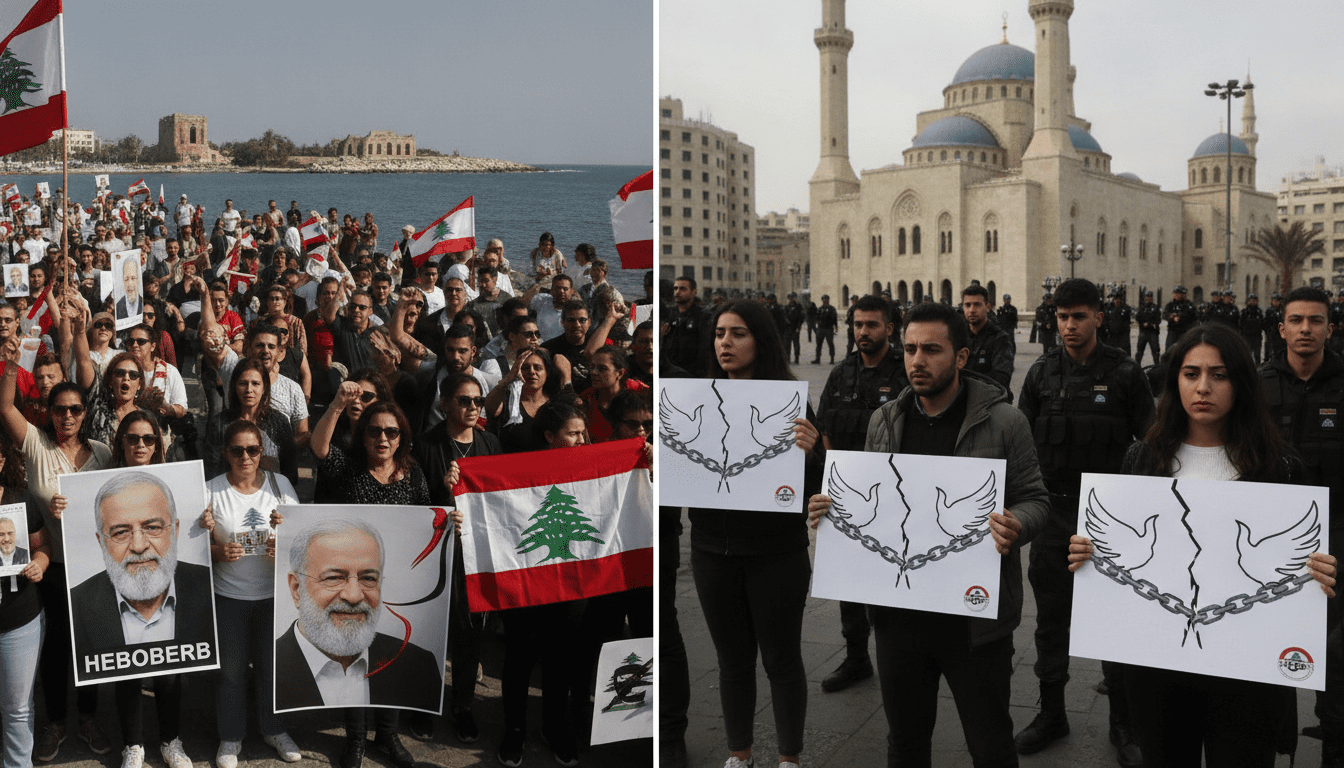
Israel and Lebanon framework agreement prompts sharply different reactions in Tyre and Beirut
Framework agreement between Israel and Lebanon, reached after U.S.-mediated talks in Washington, drew sharply different reactions in Tyre and Beirut now.
Summary of the Washington Accord
Residents in southern Lebanon’s Tyre and the capital Beirut voiced sharply different reactions on June 27, 2026, after an initial framework agreement was signed between Israel and Lebanon following U.S.-mediated talks in Washington. The term “framework agreement” was used by officials to describe a preliminary arrangement intended to guide further negotiations rather than a final treaty. Local responses in Lebanon ranged from guarded optimism in parts of the south to skepticism and vocal opposition in Beirut, underscoring deep domestic divisions over engagement with Israel.
Local Responses in Tyre and Southern Lebanon
In Tyre, some community members reported relief at a prospect of reduced tensions along the border and potential economic benefits tied to resource disputes. Residents and local merchants described the signing as a promising step toward stability, though many emphasized the need for guarantees and clarity on implementation. Observers in the south noted that proximity to past clashes shapes local priorities, with security and livelihoods often at the top of public concerns.
Reactions in Beirut’s Political and Public Arenas
By contrast, parts of Beirut saw demonstrations and vocal criticism from citizens and political figures who remain deeply skeptical of any accord with Israel. Opposition voices in the capital framed the framework agreement as premature and called for greater transparency about its terms and safeguards for Lebanon’s sovereignty. Political analysts said the split in public sentiment reflects broader fractures within Lebanon’s political landscape and competing views on how to handle relations with Israel.
U.S. Mediation and the Washington Talks
U.S. officials served as mediators during the Washington meetings that produced the initial framework, according to the announcement issued alongside the signing. Diplomats framed the agreement as a first step intended to defuse long-standing points of contention and create a roadmap for more detailed negotiations. Washington’s role drew attention both for brokering the talks and for the diplomatic pressure it exerted to secure an initial commitment from both sides.
Practical Steps and Implementation Challenges
Signatories described the document as a framework, meaning the agreement sets out principles for future, binding arrangements rather than immediate, enforceable changes. Legal specialists and negotiators will need to translate the framework’s provisions into technical protocols, legislative texts and verification mechanisms before implementation can proceed. Both Israel and Lebanon face domestic hurdles, including parliamentary approval processes and political opposition that could delay or reshape any final accord.
Regional and International Implications
Analysts say the framework agreement could alter regional dynamics if it leads to tangible reductions in cross-border friction or clearer management of maritime and land boundaries. Regional capitals and international organizations are expected to monitor developments closely and may offer technical or political support for implementation. However, experts caution that initial frameworks historically have faltered without robust verification mechanisms, near-term confidence-building measures, and buy-in from key domestic stakeholders.
Next Steps for Negotiators and Domestic Actors
Negotiators will likely convene follow-up meetings to flesh out the framework’s technical provisions and to set timelines for implementation. Domestic actors in Lebanon—ranging from parliamentarians to civil society groups—are expected to intensify scrutiny and debate as details emerge, influencing the pace and shape of any final agreement. For now, the initial framework marks a diplomatic milestone, but substantial work remains before the accord can translate into concrete, on-the-ground change.
The June 27, 2026 signing in Washington has opened a new chapter in Israel-Lebanon diplomacy, but how the framework agreement will be received, ratified and enforced will depend on complex political decisions both in Beirut and beyond.
