
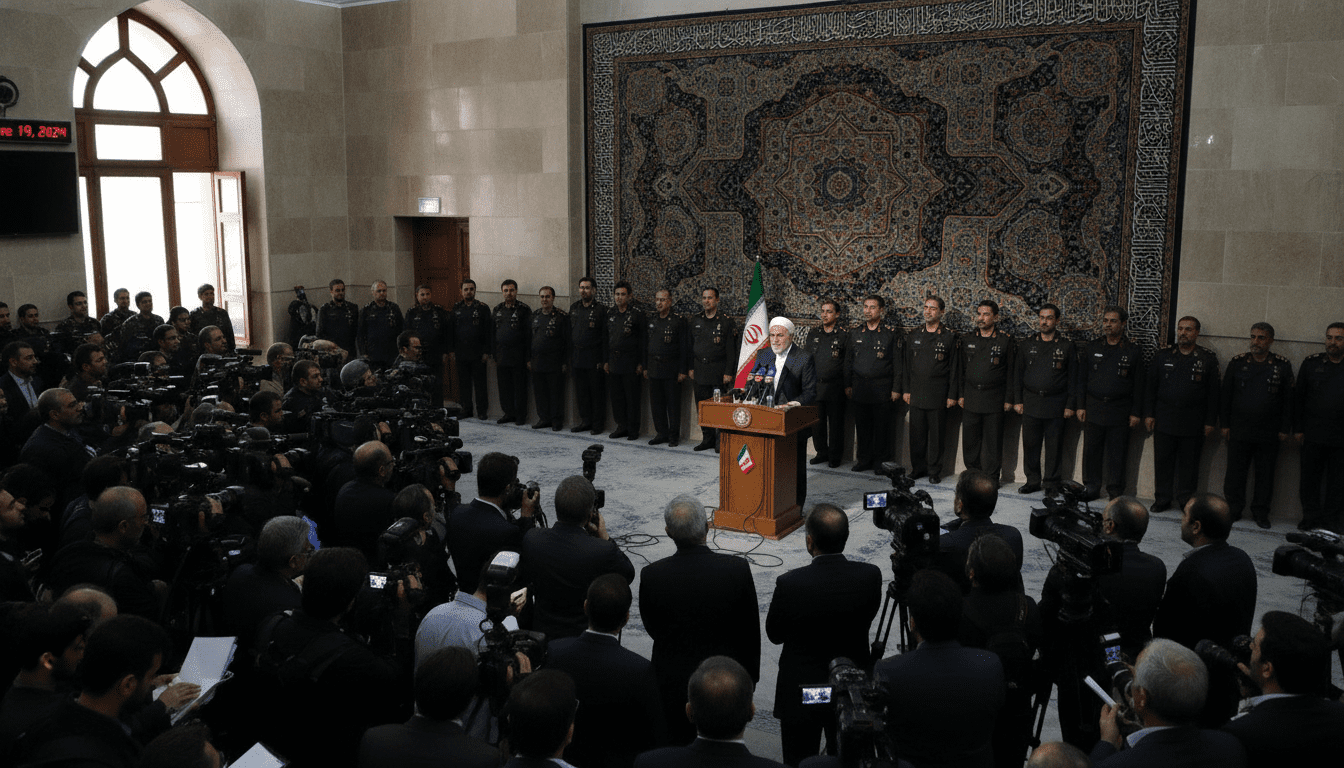
Iran war anniversary: Deputy FM says nation emerged stronger after last year’s conflict
Iran war anniversary: Deputy FM says Iran is ‘stronger’ after last year’s clash with US and Israel, honoring slain military leaders and nuclear scientists.
Iran’s deputy foreign minister, Kazem Gharibabadi, said on June 13, 2026, that the country has emerged “stronger, more aware, and more determined than before” as it marked the Iran war anniversary. The post on X commemorated the first anniversary of last year’s confrontation with the United States and Israel and paid tribute to senior military officials and scientists killed during the conflict. Gharibabadi framed the losses as proof of national resolve and praised the leadership of Supreme Leader Ali Khamenei.
Gharibabadi posts on X to mark first anniversary
Gharibabadi used the social platform X to deliver his message to both domestic and international audiences, posting on the anniversary date, June 13, 2026. He wrote that the “American-Zionist enemy thought it could break the will of a nation with a few blows,” a line meant to underscore Tehran’s narrative of resilience. The post combined denunciation of foreign adversaries with public commemoration of those who died.
The deputy minister’s message echoed state rhetoric about martyrdom and resistance, themes regularly invoked since the start of heightened hostilities. By posting on X, Gharibabadi reached followers inside Iran and abroad, signaling that the government intends to keep the wartime narrative central to public discourse.
Senior military and scientific figures named among the dead
In his message, Gharibabadi paid tribute to several high-profile figures killed in the conflict, including Mohammad Bagheri, Hossein Salami and Amir Ali Hajizadeh. He described their deaths as martyrdom and said they underscored the “rightness” of a nation that resisted force. The inclusion of both senior commanders and nuclear scientists highlighted the wide range of losses Tehran says it sustained.
The naming of those officials reinforces state efforts to honor military sacrifice and scientific contributors alike. Officials and state media routinely highlight such figures to bolster legitimacy and strengthen national unity amid international pressure.
Language of martyrdom and state legitimacy
Gharibabadi framed the fatalities as evidence that Iran “has not bowed to force, terror, and coercion,” linking personal sacrifice to national righteousness. That language serves to validate the government’s wartime decisions and to fortify public support for the leadership. References to martyrdom and to the guidance of Supreme Leader Ali Khamenei were prominent in the deputy minister’s message.
This rhetorical approach also functions as political messaging ahead of anniversaries and public ceremonies, reinforcing a narrative that external pressure only deepens internal cohesion. The emphasis on leadership and sacrifice is a familiar component of Tehran’s political communications in times of crisis.
Regional and diplomatic implications remain uncertain
The anniversary message comes against a backdrop of sustained tensions between Tehran, Washington and Jerusalem following the clashes last year. While Gharibabadi’s remarks were explicitly aimed at commemorating the dead and asserting resilience, they also carry diplomatic weight by signaling Iran’s posture to regional actors. Analysts say such statements can affect negotiations, deterrence calculations and public diplomacy, though immediate shifts in policy are not automatic.
Tehran’s public commemoration of military and scientific losses may also complicate efforts by outside powers to de-escalate the region. Commemorative messaging that emphasizes defiance and martyrdom can harden domestic opinion and reduce political space for concessions, observers note.
Domestic audience and political timing
The statement appears calibrated for a domestic audience as much as for international watchers, reinforcing solidarity at a moment of remembrance. By honoring commanders and scientists, the government appeals to families of the fallen and to constituencies that support the wartime narrative. The timing on the first anniversary ensures that the event remains part of the national calendar of memory.
Such messaging can have practical effects on recruitment, public funding priorities and public morale, even as it seeks to deter external adversaries. The repeated invocation of sacrifice is likely intended to sustain a long-term narrative that legitimizes state policy following the conflict.
The deputy foreign minister’s post on June 13, 2026, marks the Iran war anniversary with a mix of commemoration and political messaging, emphasizing resilience and the sanctity of sacrifice. Gharibabadi’s tribute to the slain military leaders and scientists underscores Tehran’s continued reliance on themes of martyrdom and leadership as it faces a complex regional landscape.
