
Hezbollah Rebuilds: New Command, Drone Warfare and an Attrition Strategy Amid Washington Deal
US-mediated Washington agreement in early June 2026 demands only Hezbollah halt operations, while the group restructures command, adopts drone-centric tactics, and seeks a war-of-attrition strategy.
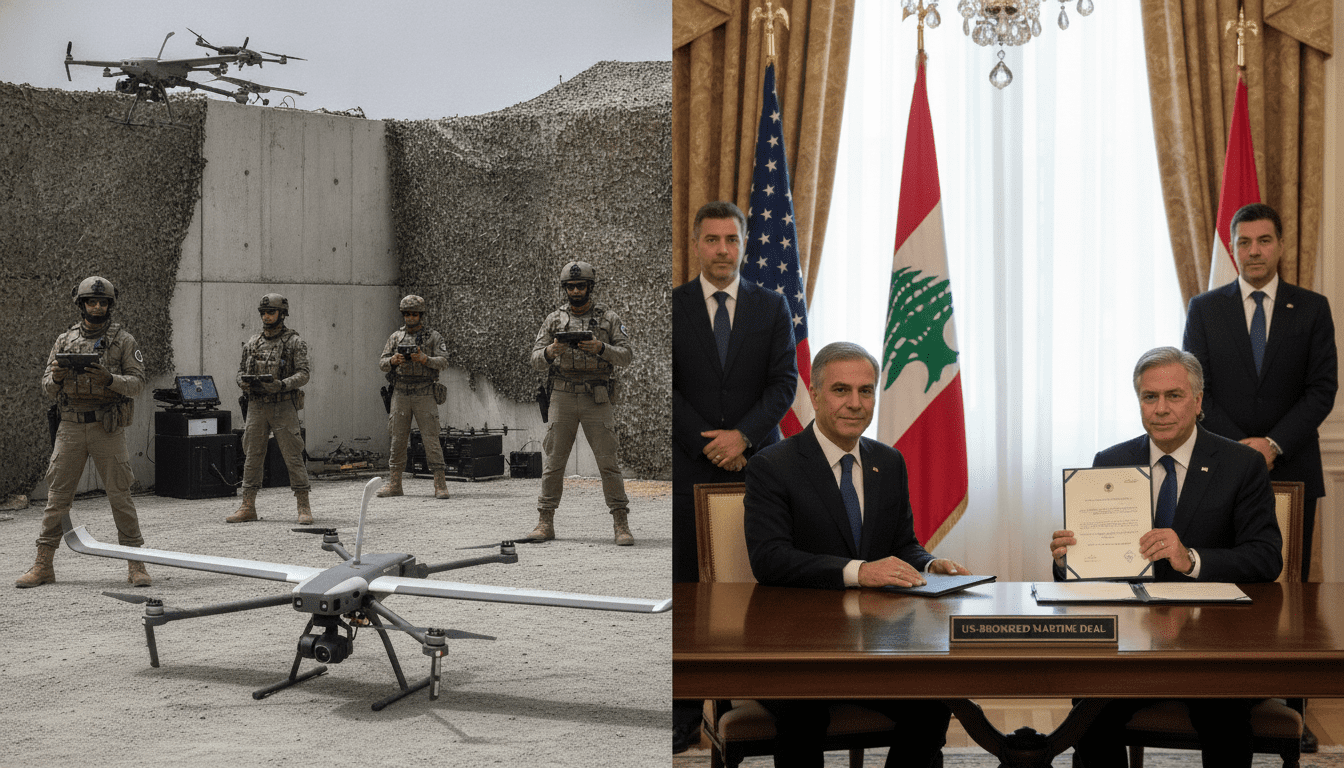
Hezbollah, which entered the Ramadan War in March 2026, rejected a US-mediated settlement announced in Washington on June 3, 2026, that would require only the movement to stop attacks while Israel’s operations continue. Observers and people close to the front lines say Hezbollah’s conduct in the current fighting shows significant organizational change compared with its 2024 campaign. These shifts in command, tactics and doctrine help explain why Lebanese domestic politics now matter as much as battlefield outcomes.
Washington agreement requires unilateral Hezbollah halt
Lebanon and Israel, under US mediation, unveiled a framework in Washington that calls for a ceasefire tied to Hezbollah suspending its operations while not obligating reciprocal Israeli withdrawal or demilitarization.
Hezbollah publicly dismissed the proposal as unacceptable and demeaning, arguing the terms ignore continued Israeli strikes and incursions into southern Lebanon. The contrast between the political deal and the battlefield reality has deepened tensions inside Lebanon and among regional backers.
Command and communications overhaul
Field reports and interviews with commanders indicate a deliberate overhaul of Hezbollah’s command-and-control systems since the 2024 conflict. The movement appears to have centralized strategic authority while streamlining communications to ensure unit-level continuity under heavy pressure.
That restructuring has reduced multilayered delays in decision-making and improved the flow of orders and supplies to front-line units, enabling coordinated operations across multiple sectors even during intense Israeli attacks such as those of April 8, 2026.
Empowering mid-level commanders
Alongside centralization, Hezbollah has given greater autonomy to mid-level commanders to act within defined frameworks without waiting for direct headquarters approval. This hybrid model preserves strategic unity while allowing tactical flexibility when communications are degraded.
The result has been steadier unit rotations, more reliable resupply to frontline positions, and sustained operational tempo — indicators observers cite as evidence the movement has learned from earlier campaign vulnerabilities.
From massed manpower to precision forces
The recent fighting shows a marked shift away from massing infantry in exposed positions toward deploying smaller, specialised units equipped with precision munitions and drone capabilities. Hezbollah has kept most infantry and non-specialised forces in reserve to limit casualties and preserve combat power.
Emphasis now falls on drone units, missile teams and anti-armor detachments, including first-person view (FPV) drones that have been used to strike both tactical targets and to record battlefield footage, boosting propaganda and battlefield assessment capabilities.
Doctrine of attrition over territorial defence
Commanders and analysts say Hezbollah has reframed its idea of victory: imposing sustained costs on Israeli forces and preventing consolidation, rather than prioritizing absolute territorial hold at any cost. This doctrine treats temporary loss of ground as acceptable if the enemy cannot secure long-term control without continuous casualties.
Under this logic, even a full temporary withdrawal south of the Litani would not automatically be viewed internally as defeat if Israeli forces remain exposed to persistent, effective strikes and logistical pressure.
Morale, legitimacy and the limits of battlefield gains
The movement’s organizational changes have been accompanied by a noticeable recovery in morale among fighters and supporters, driven in part by visible tactical successes and the spread of FPV drone footage. This revival helps sustain recruitment and local backing despite heavy losses in prior rounds of fighting.
However, analysts warn Hezbollah’s ability to endure a prolonged strategy depends heavily on Lebanon’s internal stability; refugee flows, economic strain and domestic political manoeuvring could undermine the group’s operational resilience even if battlefield adaptation continues.
Hezbollah’s evolution over the past 30 months reflects a conscious attempt to rebuild after costly campaigns and a long ceasefire period that left the movement tested but not broken. Its leaders appear to have taken lessons from 2023 and the 2024 66-day war: fortify communications, reduce predictable troop concentrations, and make technology — especially FPV drones and guided munitions — central to sustaining a long, costly contest.
At the same time, the political dimension is decisive. A Washington deal that seeks to disarm or restrict Hezbollah while overlooking Israeli military actions shifts the battleground to Lebanon’s domestic arena. If Lebanon’s government or rival political actors succeed in inflaming sectarian tensions or deepening social fractures, Hezbollah could face internal constraints that negate some of its battlefield adaptations.
Whether the movement’s new model — combining centralised strategic control, empowered mid-level commanders, and a precision, drone-led toolkit — will deliver a stable strategic advantage remains uncertain. Much will depend on the durability of Hezbollah’s social base, the reaction of regional patrons, and Beirut’s capacity to manage the humanitarian and economic fallout of an extended conflict.
