
Thousands Make Risky Return to South Lebanon Amid Fragile Ceasefire
Thousands are returning to south Lebanon after a US-declared ceasefire, confronting damaged roads, army checkpoints, long queues and lingering security concerns.
Traffic Backups and Damaged Bridges on Southern Highways
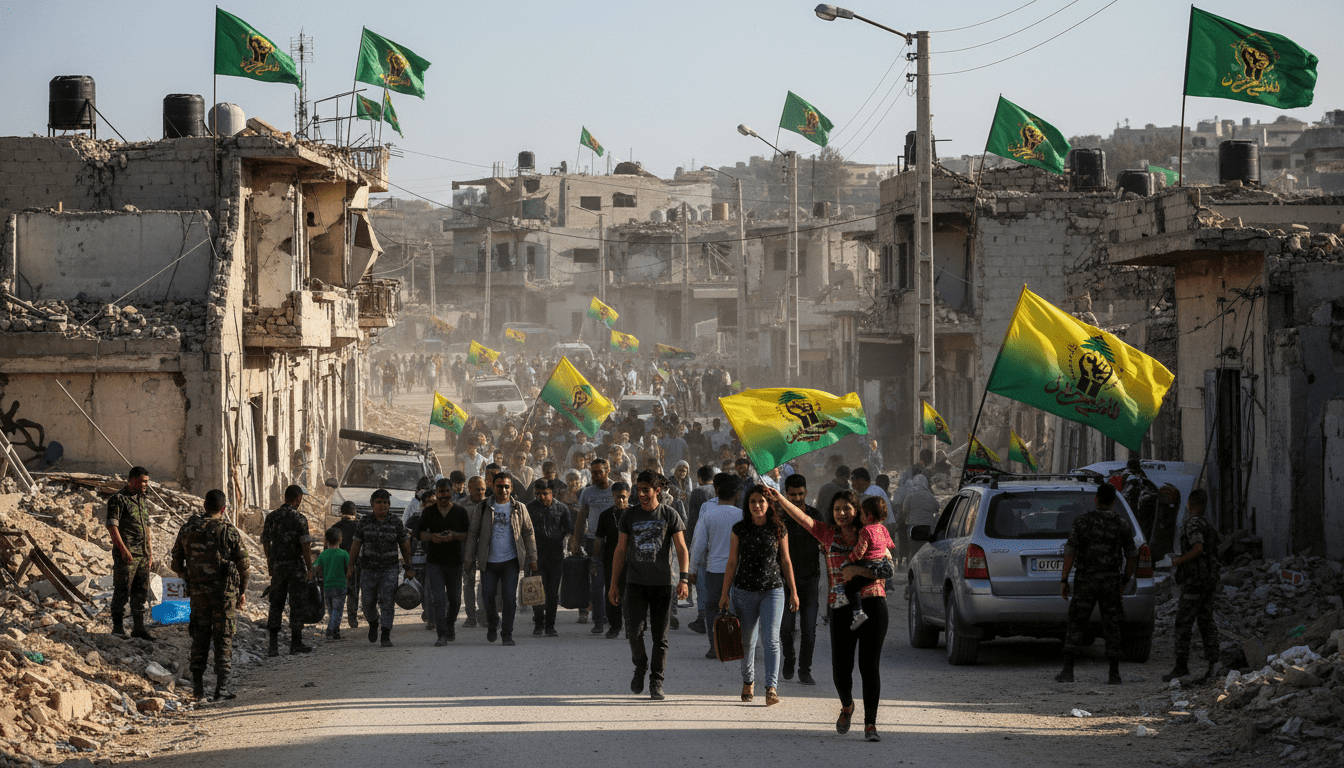
Traffic on the main highway into south Lebanon built up in the morning as families and traders moved back toward their towns. Overloaded pickup trucks, small cars packed with food and furniture, and mattresses tied to roofs stretched for miles as drivers slowed at checkpoints and bridge ruins. Flags associated with Hezbollah were visible from some vehicles, underscoring the political divisions that accompany the movement of civilians.
Returnees Say They Are Testing the Ceasefire
Despite repeated warnings to wait and confirm the ceasefire holds, thousands decided to travel south on Friday, calculating that the risks were worth seeing their homes. Many returnees said they wanted to secure their places in temporary shelters or assess how badly their houses had been damaged before committing to a full relocation. Officials in several towns urged caution while residents evaluated the situation on the ground.
Saida Officials Maintain Wartime Posture
In the coastal city of Saida, municipal authorities said they were continuing to operate as if there were no lasting ceasefire, keeping services and checkpoints in place. The city has functioned as a frontline hub during periods of fighting, and local administrators emphasized the need for orderly returns to avoid secondary displacement. Many families in collective shelters insisted on holding their spots until they could determine whether it was safe to go home.
Nabatieh Residents Face Heavy Damage and Uncertainty
Nabatieh, a small town that has seen intense air strikes, drew many returnees who described extensive destruction to homes and infrastructure. A resident identified as Nazmieh Qalas said she and her family were returning to inspect their house and decide what to salvage, while acknowledging deep uncertainty about lasting security. For many in towns like Nabatieh, the decision to return is driven by a mix of practical needs and emotional attachment to place.
Public Support for Hezbollah Evident Among Some Returnees
Public expressions of support for Hezbollah were visible among a segment of returnees and in the form of flags and statements to reporters. Some residents described the group as defenders during the conflict, language that reflects longstanding local allegiances and Iran’s influence in the region. At the same time, Hezbollah reiterated that its fighters remained ready to respond if hostilities resumed, a stance that contributes to the tense atmosphere.
Humanitarian Strain and Checkpoint Delays
Humanitarian actors and local services warned that the sudden movement of civilians back into conflict-affected areas risks overwhelming limited resources. Where bridges have been destroyed or roads are damaged, long delays at army checkpoints create bottlenecks that impede shelter distribution and medical access. Aid coordinators called for coordinated efforts to prioritize vulnerable families, clear safe access routes, and confirm the conditions for a sustainable return.
Many returnees described trips marked by practical concerns rather than celebration, citing the need to recover documents, retrieve possessions and check on elderly relatives. Shelter managers reported that families preferred to keep a place in the camps while making short visits to damaged homes, in part to avoid losing the limited support they still depended on. The pattern reflects a cautious approach to re-establishing normal life under fragile conditions.
Security analysts said the durability of the ceasefire will depend on both local military moves and broader diplomatic pressure, including statements from external actors that helped broker the pause. Observers noted that even a temporary reduction in large-scale strikes does not eliminate the risk of isolated incidents that could spark renewed clashes. For residents, the decision to return is therefore a day-by-day judgment shaped by safety, access to services and the ability to rebuild.
The immediate priorities on the ground include restoring essential infrastructure, reestablishing reliable checkpoints with clear procedures, and ensuring humanitarian convoys can reach towns without delay. Local officials called for engineering assessments of roads and bridges to prioritize repairs that would open supply lines and allow safer movement. Until such measures are in place, many families are likely to split time between shelters and tentative home visits.
Moving forward, the fate of those returning to south Lebanon will hinge on whether a broader stabilization process accompanies the ceasefire and whether aid and reconstruction funding can be mobilized quickly. For now, the streets tell a story of cautious optimism tempered by the realities of a recent conflict, as thousands balance the imperative of returning with the need for continued security assurances.
