
Heatwave Threat: Allianz Trade Estimates $131bn Hit to German Economy, Experts Warn
Allianz Trade study warns heatwave could cost Germany $131bn by 2030; experts cite rising heat deaths, falling productivity and urgent urban adaptation needs.
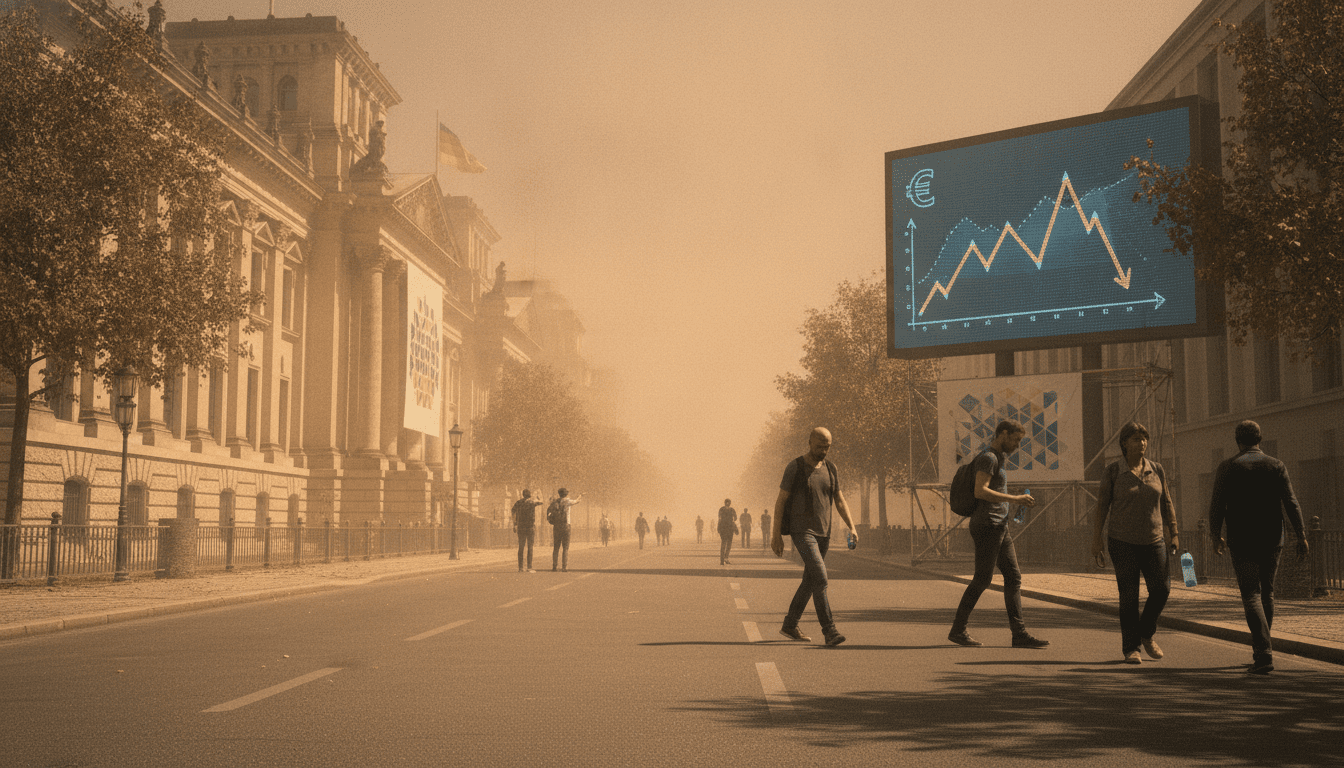
Europe’s latest heatwave analysis and expert warnings paint a stark picture of mounting health and economic risk as temperatures climb. The Allianz Trade assessment estimates heat-related losses for Germany of roughly $131 billion (about €116 billion) between 2026 and 2030 if recent extremes recur, and health professionals warn that severe heat damage can be irreversible. Policymakers and urban planners face pressure to treat heat as a long-term economic and public-health challenge rather than a seasonal nuisance.
Study quantifies looming economic damage
A report by Allianz Trade, the credit-insurance arm of the Allianz group, projects substantial macroeconomic losses if heatwaves persist at recent intensity and frequency. For Germany the report places possible cumulative damages at $131 billion from 2026–2030, a figure that could equal as much as three percent of annual economic output in peak years.
The study compares international exposure and finds larger absolute losses for some economies, with estimates including $240 billion for France, $147 billion for Italy, $120 billion for Spain and $354 billion for Japan. Analysts note the fiscal burden will come from lower tax receipts, higher health-care spending and infrastructure repair costs.
Medical experts warn of irreversible physiological harm
Prominent physician Eckart von Hirschhausen cautions that extreme heat can cause permanent damage to the body’s proteins and organs, potentially triggering multiorgan failure in severe cases. He emphasizes that heat-related tissue damage is often irreversible and that public messaging must stress the medical severity of sustained high temperatures.
Hirschhausen also highlights secondary risks, noting that many medications interact poorly with heat. Blood-pressure drugs and diuretics can increase the likelihood of collapse when body temperatures rise, and certain psychotropic medications may reduce sweating, which impairs cooling and raises risk.
Productivity falls and energy costs rise above 30°C
Allianz Research economist Katharina Utermöhl warns that economic performance declines rapidly once temperatures exceed 30°C, estimating productivity losses of about three percent for each additional degree. She adds that energy costs also climb, with every degree above 30°C driving utility spending up by roughly 1.2 percent.
The combination of reduced output and higher cooling bills creates a twofold hit for companies, pushing some firms to absorb direct costs and others to curb work hours or shift production patterns. Utermöhl says these effects will become more visible in labour markets and corporate balance sheets as heat events grow more frequent.
Heat deaths have surged and adaptation varies by region
The Allianz Trade analysis identifies a dramatic uptick in heat-related mortality and event frequency since the 1980s. The study reports roughly 3,400 heat deaths in the 1980s compared with more than 121,000 fatalities in the brief period from 2020 to 2024, reflecting both more frequent extreme events and rising vulnerability in many regions.
Geographic distribution of fatalities also reflects adaptation differentials: between 1980 and 2024, about 20 percent of heat deaths were recorded in Russia, 18 percent in Italy, 12 percent each in France and Spain, and 8 percent in Germany, while large parts of hotter countries such as India accounted for a smaller share, reflecting differing patterns of acclimatization and infrastructure.
Air conditioning gaps and urban design amplify effects
The study highlights stark differences in household cooling: roughly 90 percent of U.S. homes have air conditioning, compared with about 19 percent across Europe, a gap that magnifies health and productivity impacts in heatwaves. Analysts say inadequate residential and public cooling increases both mortality risk and economic disruption.
Urban design is also implicated. Hirschhausen criticizes recent developments he says exacerbate urban heat islands, pointing to dense glass-and-steel constructions and public spaces with little shade or water features. He urges large-scale urban greening, more trees, green roofs and permeable surfaces to reduce surface temperatures and improve passive cooling.
Policy responses and community measures urged ahead of hotter summers
Economists and health experts call for heat to be integrated into fiscal planning, public-health guidance and infrastructure policy on a permanent basis. Measures recommended in the report and by clinicians include targeted investments in cooling for vulnerable populations, revised medical guidance about drug use during high temperatures, and funding for resilient transport and energy systems.
Community-level responses can reduce immediate risk: opening cool public buildings, organizing neighborhood checks on elderly residents, and providing free access to cooled spaces during peaks are among the practical steps that cities and local governments can deploy quickly. Longer-term action will require coordinated planning and investment.
The mounting evidence from insurers, researchers and clinicians suggests that heatwaves are evolving from episodic extremes into a structural economic and health challenge. As temperatures rise, countries that accelerate adaptation in housing, workplaces and urban design will mitigate both human suffering and the fiscal costs outlined in recent analyses.
