
Hakodate fisheries face collapse as warming seas empty nets
Warming seas and shifting currents have devastated Hakodate fisheries, collapsing squid catches and incomes; mariculture and anchovy projects offer new hope.
Hakodate fisheries are reeling as historically reliable catches vanish, auction halls once thrumming with activity now register dramatic declines and, on occasion, empty nets. Local officials and traders point to warmer coastal waters and altered currents as the principal cause of the collapse in squid and other species. City-led mariculture experiments and a grassroots anchovy fermentation project are underway to offset lost incomes, but recovery will be slow and uncertain.
Auction floor offers early warning for Hakodate fisheries
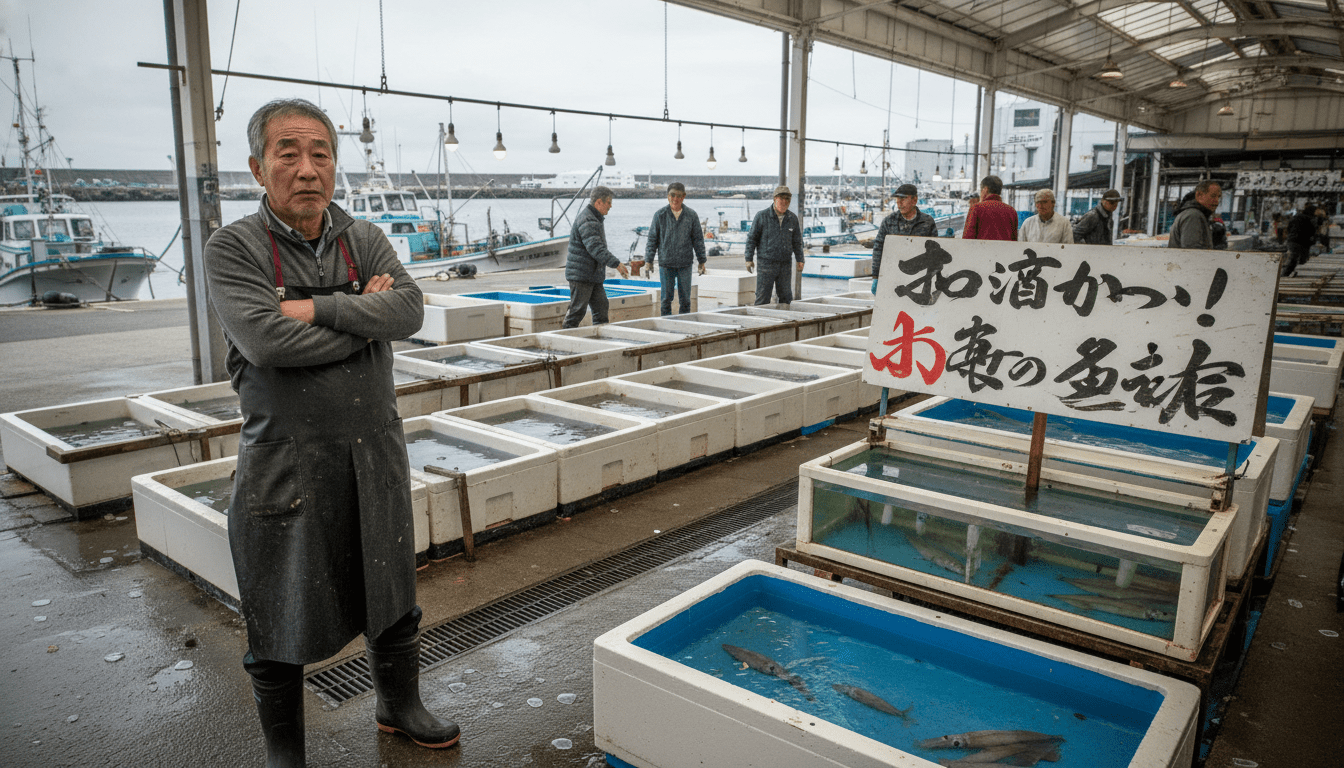
The wholesale auction at Hakodate’s harbor market still follows the old choreography of bells, shouted bids and swift transactions, but the scale has shifted noticeably. In a recent morning trading session intermediaries bought roughly 21 tonnes of fish in 20 minutes, a volume that now represents a fraction of past seasonal highs.
Buyers still send product by Shinkansen as far as Tokyo, where “fish from Hakodate” commands a premium, yet traders say the types of fish arriving have changed and prized species are missing. Market managers and long‑time dealers describe the auction as an early indicator of broader shifts beneath the surface.
Squid collapse traced to warmer water and altered currents
Squid, long a signature catch for Hakodate, has suffered perhaps the steepest decline, with peak summer hauls falling from about 100 tonnes a decade ago to roughly a tenth of that amount. Officials recall a recent summer when boats returned with empty nets and the traditional early‑June squid auction had to be canceled — a shock felt across the community.
Fishermen and market insiders link the decline to rising sea temperatures and changes in ocean currents that disrupt the squid’s migration from southern spawning grounds. Traders say the species now “swims elsewhere,” undermining a fishery that supported many families.
Economic and cultural fallout across the city
The drop in catches has translated into business closures and lost jobs: roughly half of local fishermen have quit their trade in the last ten years, according to market authorities. The decline affects not only direct earnings from sales but also processing facilities, tourism tied to seasonal seafood festivals and the wider hospitality sector.
Squid once sustained a local identity expressed in an annual August festival and a children’s “squid dance,” rituals that now feel threatened as fishery revenues shrink. Municipal officials warn that the economic ripple effects could alter the town’s demographic and cultural landscape.
Kombu and shellfish face new biological pressures
Declines are not limited to squid; scallops and the region’s famed kombu seaweed have also suffered, in part because warmer waters favor new diseases and predators. Farmers report that cultivated scallops struggle to grow, while wild kombu harvests have collapsed in some areas.
Sea urchins, which historically entered a winter dormancy when waters cooled, now remain active as winter temperatures rarely fall below about five degrees Celsius. The year‑round grazing by urchins leaves kombu nurseries reduced to stubbled stems, eroding an industry that once supplied a quarter of Japan’s kombu consumption.
Mariculture trials seek sustainable alternative species
In response, Hakodate’s municipal government and research partners have launched mariculture trials to breed species better suited to changing conditions. The Hakodate Mariculture Project is raising king salmon in coastal net cages and experimenting with more resilient strains of kombu designed for sustainable cultivation.
Results so far are modest: researchers reported harvesting about 100 farmed fish after four years of work, but early taste tests failed to meet local quality expectations. Officials emphasize that making mariculture commercially viable will require improvements in flavor and color as well as sustained investment.
Anchovy project converts bycatch into marketable jars
Local entrepreneurs have pursued a different adaptation by valorizing abundant bycatch. The Local Revolution initiative and the Hakodate Anchovy Project ferment small sardines into anchovis preserved in oil, transforming what had been discarded into a shelf product. Project leaders pay fishermen about 200 yen per kilogram and currently produce roughly 800 jars a month.
Production has created dozens of jobs, including assembly work for people with disabilities, and sales at Hakodate Airport and local outlets fetch about 1,200 yen per jar. The project earned recognition from national authorities, but organizers stress their venture cannot fully replace lost squid revenues.
As June approaches, the city waits to see whether the traditional early‑season squid auction will resume without the stigma of empty nets. Community leaders say adaptation and diversification can mitigate some losses, yet they also acknowledge that restoring the scale and cultural centrality of Hakodate fisheries will be a long, uncertain process.
