
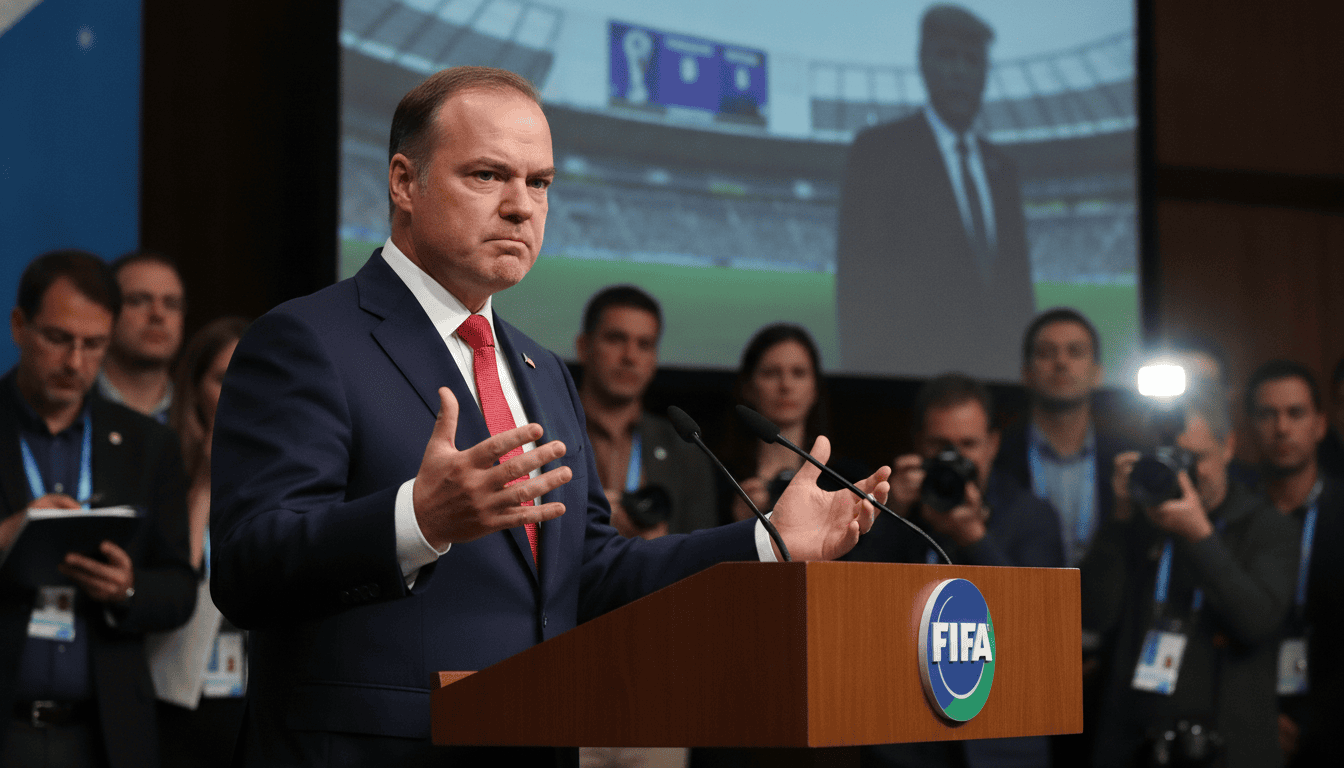
Gianni Infantino Strikes Back: FIFA Chief Attacks Critics Amid Trump Ties, Ticket Outcry and Balogun Dispute
FIFA president Gianni Infantino lashes out at critics as scrutiny mounts over Trump ties, high World Cup ticket prices and the contentious Balogun case.
Gianni Infantino delivered a forceful response to mounting criticism this week, moving from defense to direct attack in remarks that have intensified debate about governance at world football’s governing body. The FIFA president rejected calls for introspection and framed opposition as politically motivated, even as questions swirl about his public alliances, commercial decisions and a high-profile player dispute. The exchange marks the latest flashpoint in a broader conversation about transparency and accountability at FIFA.
Infantino Responds to Critics in Strongly Worded Remarks
Infantino characterized recent criticism as unfair and partisan, asserting that attacks on his leadership distract from football’s development goals. He pointed to FIFA projects and initiatives as evidence of progress under his tenure and urged supporters to focus on the organization’s stated objectives.
Opponents and watchdog groups interpreted his tone as defensive and deflective, arguing that robust engagement with accountability concerns would better serve the sport. The exchange underscores a growing gulf between FIFA’s leadership and segments of the football community demanding reform.
Relations with Donald Trump Raise Questions About Impartiality
Observers have drawn attention to Infantino’s public interactions with former U.S. President Donald Trump, suggesting such ties risk politicizing FIFA’s global role. Critics argue that visible closeness to prominent political figures can undermine perceptions of neutrality, especially when commercial and diplomatic interests intersect.
Supporters counter that engagement with world leaders is a routine feature of international sport governance and can advance football’s global footprint. The debate highlights tensions over where outreach ends and entanglement begins in an era when politics and major sporting events are increasingly intertwined.
High World Cup Ticket Prices Spark Fan and Federation Backlash
A separate line of criticism focuses on the steep cost of World Cup tickets, which many fans and member associations say has priced ordinary supporters out of matches. The controversy has energized calls for clearer pricing policies and greater consideration of access for local and traveling supporters.
FIFA officials have defended pricing as necessary to cover organizational and operational costs, while acknowledging the reputational risk if fans feel alienated. The dispute has prompted some federations and supporter groups to demand more transparent criteria for ticket allocations and pricing decisions.
The Balogun Case Fuels Tensions Over Eligibility and Process
The Balogun case, involving a prominent player and questions around eligibility and federation handling, has become a focal point for critics who say FIFA’s processes lack clarity. Stakeholders have pointed to the episode as an example where rules and timelines should be enforced with greater consistency.
FIFA has said it is managing the matter through established channels, but the public visibility of the dispute has amplified calls for independent review mechanisms. The episode has also raised broader concerns about how individual cases are communicated and whether affected parties receive equitable treatment.
Sponsors, Member Associations and Fans Demand Greater Transparency
Sponsors and several member associations have signaled unease about prolonged controversies that risk damaging the sport’s commercial and public standing. Calls for clearer governance, independent oversight and improved stakeholder dialogue have grown louder in boardrooms and federations alike.
Analysts warn that without a credible response to these governance questions, FIFA could face long-term reputational and financial consequences. Many observers emphasize that transparent reforms, rather than rhetoric, will be essential to rebuild trust among fans and partners.
Possible Institutional Responses and Routes to Reform
Options under discussion among member associations include independent audits, revisions to ticketing policies and strengthened conflict-of-interest rules for senior officials. Some federations have proposed more frequent reporting and an enhanced role for independent ethics oversight to address recurring criticisms.
Infantino’s critics say structural reforms should be accompanied by cultural change inside FIFA, with clearer accountability for high-level decisions. Proponents of change argue that incremental steps will not be sufficient without visible commitments to openness and stakeholder engagement.
The episode around Gianni Infantino’s combative response to scrutiny has crystallized long-simmering debates about governance, access and the role of leadership in world football. As federations, fans and commercial partners weigh their next moves, pressure for concrete reforms is likely to persist alongside continued public scrutiny.
