
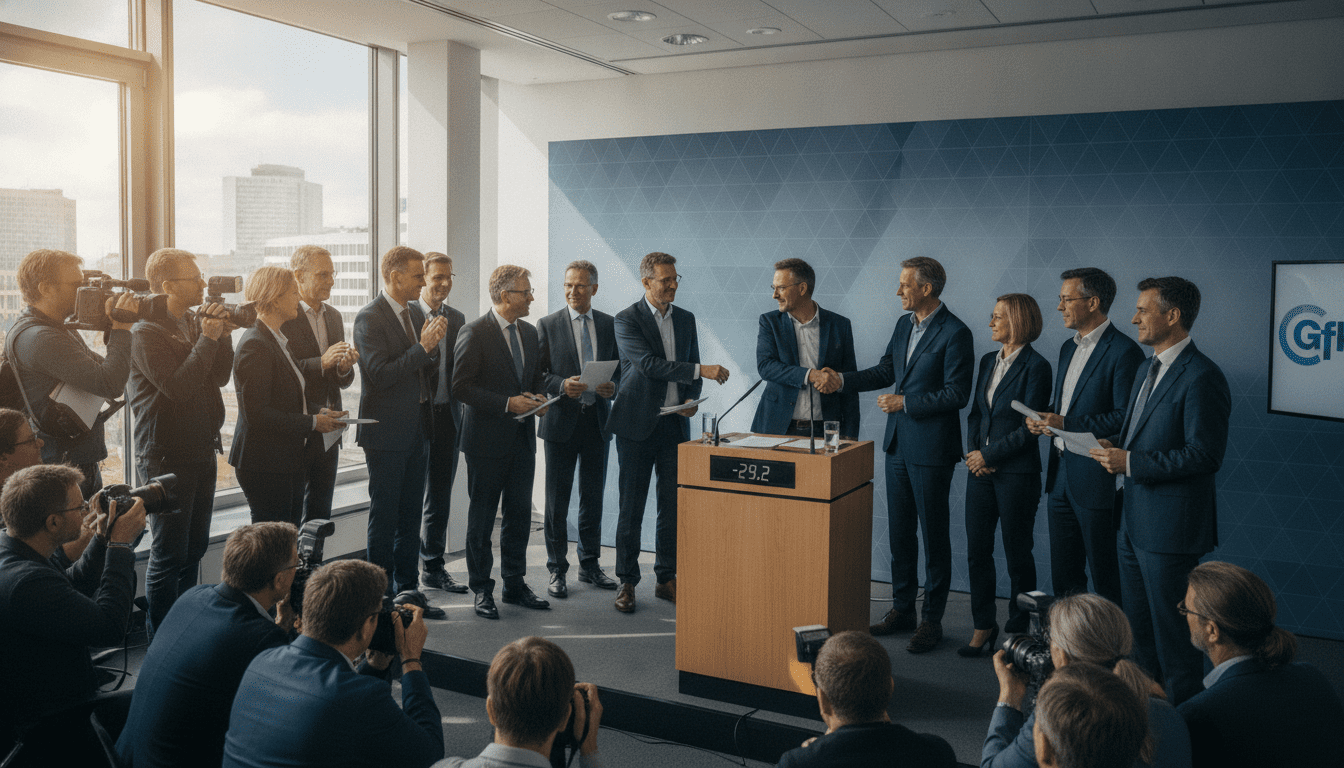
German consumer sentiment edges up to -29.2 as GfK and NIM report slight improvement
German consumer sentiment edges to -29.2 in GfK/NIM July barometer; incomes tick up as oil prices ease inflation fears, but confidence remains low nationally.
The GfK consumer climate barometer for July rose modestly by 0.5 points to -29.2, according to researchers at the Gesellschaft für Konsumforschung (GfK) and the Nuremberg Institute for Market Decisions (NIM). German consumer sentiment remains the central topic for the latest release, with analysts describing the move as stabilization at a low level rather than a recovery. Rolf Bürkl of NIM said the slight uptick reflects easing inflation concerns but falls short of a return to pre-conflict confidence.
July index and what moved it
The headline figure moved from the previous reading by a narrow margin, signaling only a marginal improvement in overall mood among households. The researchers pointed to falling oil prices as a key factor that has reduced immediate inflationary pressures in consumers’ assessments. Despite that relief, the level of -29.2 is far below typical expansionary territory and indicates restrained willingness to increase spending.
Income expectations showed limited gains in June
Income expectations — a component that influences purchasing plans — increased only modestly in June, the institutes reported. The corresponding indicator climbed by 0.8 points to -12.2, leaving households expecting tighter personal finances than before recent geopolitical shocks. Analysts noted that small upward moves in this sub-index can temper but not reverse broader caution among consumers.
Inflation concerns eased by lower oil prices
The analysts linked part of the sentiment improvement to a decline in oil prices, which has reduced headline inflation worries among respondents. Lower energy costs typically alleviate immediate household cost pressures and can translate into more positive short-term assessments. However, researchers warned that such improvements are conditional and may be reversed if commodity markets swing back or other inflation drivers persist.
Confidence still below pre-conflict levels
Researchers emphasized that consumer mood has not recovered to the level seen before the outbreak of the Iran conflict, with households remaining less optimistic about their financial futures. The report explicitly contrasts current expectations with pre-conflict conditions, highlighting the lingering impact of geopolitical uncertainty on domestic demand. This gap indicates that deeper economic or political shifts would be required for a sustained recovery in confidence.
Implications for retail and household spending
Retailers and service providers should expect subdued demand while the barometer remains deeply negative, according to market observers. Companies may face continued pressure on sales volumes and may need to adapt pricing or promotion strategies to attract cautious consumers. At the household level, many families are likely to prioritize essentials and savings over discretionary purchases until expectations show a sustained improvement.
Researchers’ assessment and next steps
GfK and NIM framed the July adjustment as stabilization rather than the start of a rebound, urging caution in interpreting the small rise. The institutes will continue monitoring components such as income expectations, inflation perceptions, and economic outlook to judge whether the trend can strengthen. Officials including Rolf Bürkl indicated that future movements will depend on commodity markets, wage developments, and the broader geopolitical trajectory.
The modest upward shift in the GfK/NIM barometer leaves German consumer sentiment fragile but not deteriorating further, underscoring the need for sustained positive signals before households significantly change their spending behaviour.
