
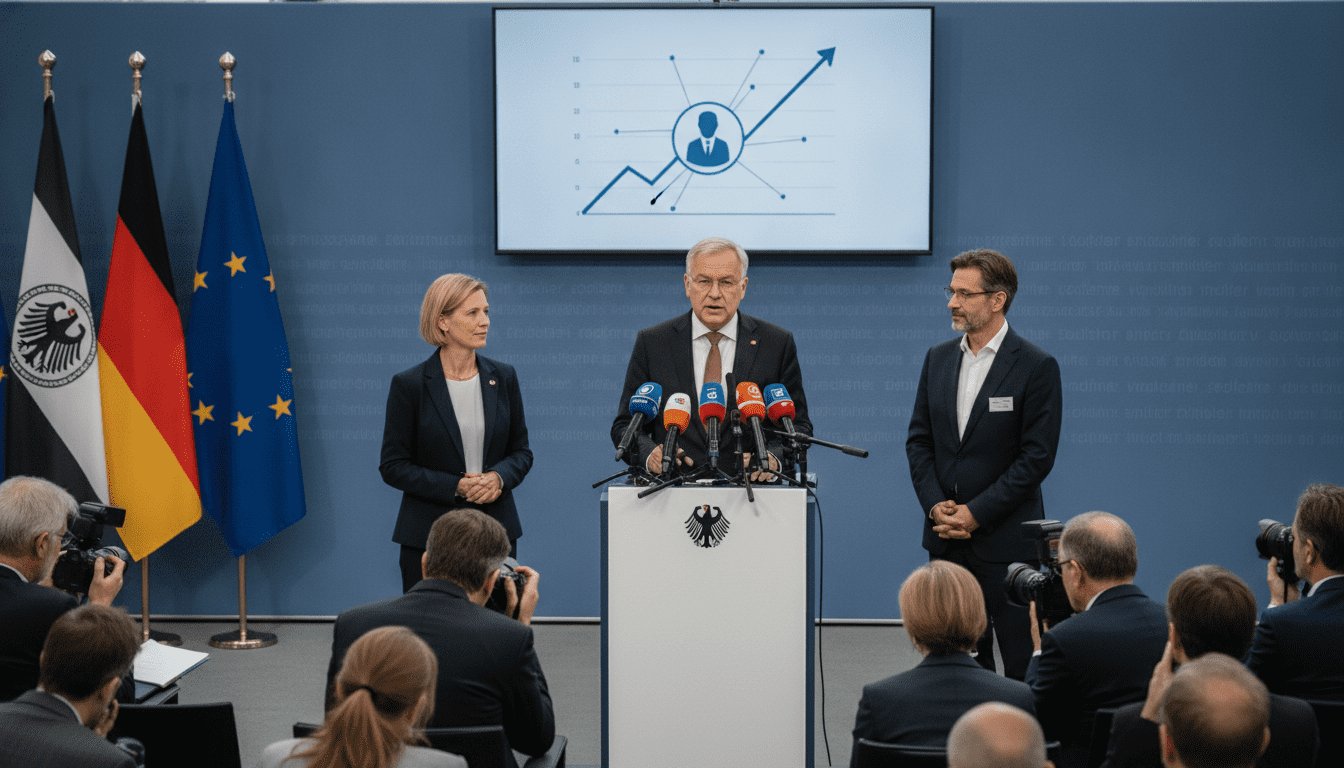
Germany’s Health Ministers Back GP-Centered Primary Care to Coordinate Patient Flows
Germany’s state health ministers have unanimously called for GP-centered primary care to become the central gateway for patients, urging streamlined coordination by general practitioners.
The Health Ministers Conference (GMK) concluded in Hannover with a clear demand that general practitioners act as the principal first contact for patients, coordinating referrals and steering treatment pathways. The conference, chaired by Lower Saxony Health Minister Andreas Philippi (SPD), framed the shift as a response to gaps in continuity of care and growing pressure on specialist and hospital services. Federal Health Minister Nina Warken (CDU) was asked to prepare a legal model quickly to implement the approach nationwide.
Ministers Propose GPs as Central First Contact
The GMK resolution recommended that GPs, pediatricians and internists be strengthened as the first point of care to determine next steps and guide patients into specialist or hospital services when needed. Delegates argued that clearer routing through primary care would reduce unnecessary specialist visits and ease strain on emergency departments. States stressed the need for more well-trained primary care physicians to deliver comprehensive assessment, early diagnosis and longitudinal management at community level.
Andreas Philippi Frames GPs as ‘Stellwerker’ of Patient Flows
Andreas Philippi, who chaired the meeting, described GPs as “switch operators” for patient flows, responsible for assessing needs at the base level and directing patients to the appropriate next provider. Philippi emphasized workforce priorities, calling for expanded training and incentives to attract doctors into general practice and pediatrics. Ministers warned that meeting demographic demand will require targeted recruitment, better career pathways and investments in primary care infrastructure.
Federal Minister to Publish Draft by End of Summer 2026
Nina Warken told ministers she plans to present a draft bill by the end of summer 2026 to institutionalize a GP-centered model, signalling federal engagement with the states’ proposal. The ministry envisions a phased rollout, starting with pilot regions to test operational details and measure effects on access and costs. Warken also indicated willingness to negotiate on other contentious health-financing measures alongside the primary care reform.
Pharmacies and Model Regions Included, Impacts Sought by 2028
The GMK’s draft concept anticipates a larger role for community pharmacies, with proposals for routine vaccinations and basic check-ups to relieve primary care clinics. Ministers called for model-region trials to evaluate combinations of GP gatekeeping, pharmacy services and digital triage tools, with first measurable impacts expected by 2028. The states argued pilots would help refine reimbursement, staffing and IT requirements before a national roll-out.
Hospital Financing Dispute Triggers 8,000-Strong Protest in Hannover
The conference took place against a backdrop of heated debate over hospital financing and responsibility for rising staff wages. The federal government has been reluctant to fully compensate tariff increases from statutory health insurance funds in order to stabilise contribution rates, a position that prompted a large demonstration. Organisers reported about 8,000 employees from hospitals and care homes marching in Hannover to warn that reduced funding could jeopardize service capacity and working conditions.
Political Stakes, Negotiations and Implementation Challenges
Ministers acknowledged that implementing GP-centered primary care will require fresh funding lines, contract changes with health insurers and clear referral rules to avoid bottlenecks. Warken signalled openness to dialogue on the disputed cuts to hospital financing, indicating that talks will need to reconcile wage coverage, contribution levels and quality safeguards. States also highlighted practical hurdles: expanding GP training, upgrading practice infrastructure and integrating pharmacies and digital tools will take sustained coordination and money.
Germany now faces a compressed policy timetable: state ministers want rapid progress, the federal ministry has promised a draft by the end of summer 2026, and pilot evaluations are to aim for observable effects in 2028. The coming weeks are likely to focus on drafting legislative text, defining pilot regions and negotiating funding arrangements with insurers and provider groups before any national implementation.
