
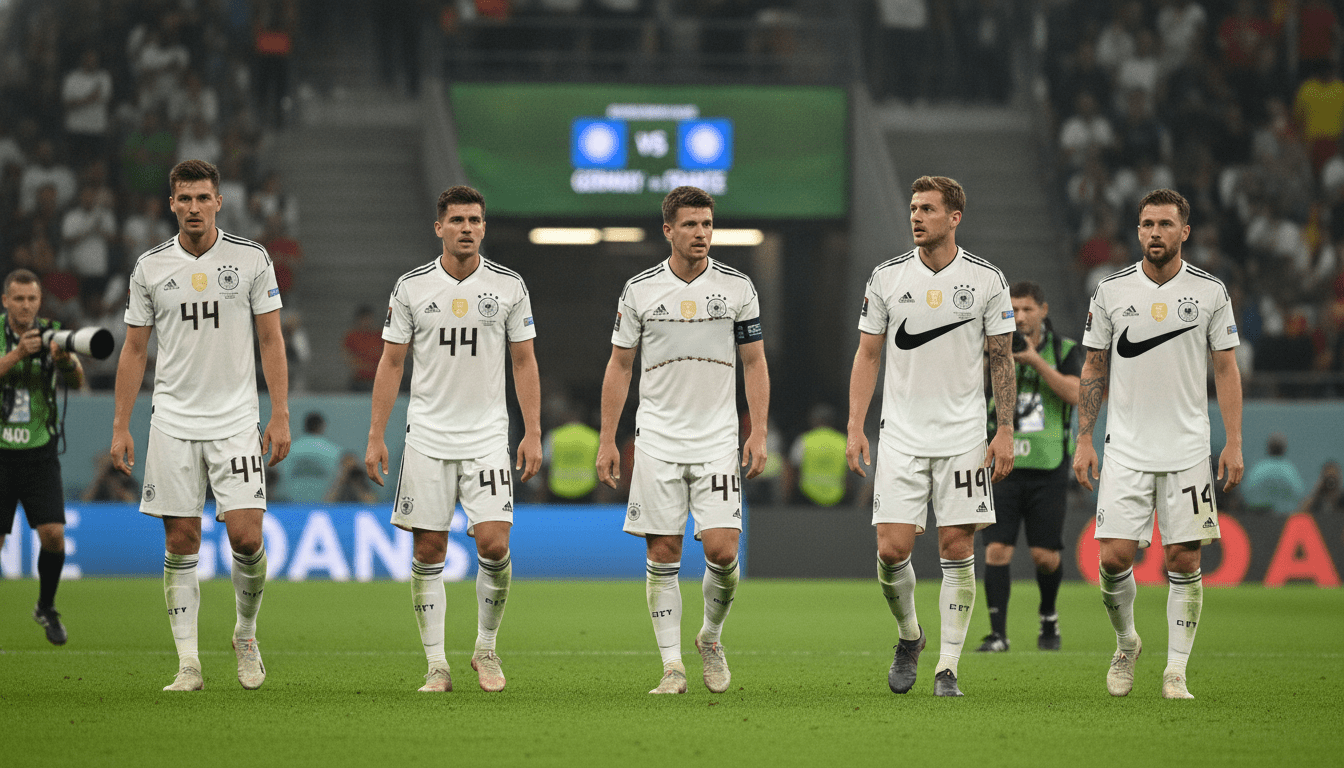
Football conspiracy theories resurface as kit errors and historical interference stir debate ahead of major tournaments
Football conspiracy theories return as kit defects, historic political meddling and the 1998 Ronaldo puzzle spark fan distrust ahead of the next World Cup cycle.
The resurgence of football conspiracy theories has been prompted by recent kit errors affecting supporters and a string of historical anecdotes that tie politics and power to football decisions. Fans and commentators have seized on a seemingly minor printing fault and linked it to broader concerns about commercial influence and political interference in the sport. The debate has rekindled old mysteries — including the unexplained circumstances around Brazil’s Ronaldo in 1998 — and sharpened scrutiny of the relationship between federations, manufacturers and the public.
Allegations of outside influence on coaching decisions
Reports and commentary have questioned whether leading coaches ever act with full autonomy or whether broader interests shape team selection and tactics. Observers point to the persistence of rumor and speculation whenever an unexpected selection is made or a favored player is omitted. These claims typically name a variety of purported influencers, from family members to governing bodies, and sometimes escalate to political figures.
While most allegations are speculative, their recurrence fuels a narrative that football is vulnerable to external pressure. That perception matters because it erodes confidence in the transparency of sporting decisions and invites conspiracy-minded explanations for routine managerial choices.
Historical cases of political meddling in major tournaments
Football’s history includes documented instances in which political leaders asserted influence over national teams and tournament staging. The interwar and Cold War eras produced well-known examples in which state actors sought prestige through sporting success. Such incidents have become reference points for modern commentators who see echoes of political ambition in today’s controversies.
These historical precedents are often used to suggest that contemporary anomalies may not be isolated errors but part of a pattern in which power and sport intersect. Whether past abuses validate current suspicions depends on evidence in each case, but the legacy of interference continues to shape public expectations.
The unresolved questions around Ronaldo’s 1998 final
The 1998 World Cup final remains one of football’s enduring mysteries and a frequent subject in discussions of conspiracy. Ronaldo, Brazil’s star forward, presented an extraordinary case when he was announced unavailable, then reinstated at kickoff and appeared physically subdued on the field. Subsequent inquiries produced conflicting explanations and left significant public doubt about what had happened.
The episode has proved durable because it combines medical, managerial and media ambiguities that resist a single, definitive account. As a result, the Ronaldo case is invoked as a cautionary example of how high-stakes tournaments can generate speculation when lines of communication and decision-making are opaque.
Kit controversy spotlights brand battles and fan frustration
A recent incident involving national team shirts and a missing letter on replica kits triggered sharp reactions among supporters and commentators. The production flaw affected availability and personalization for casual buyers, prompting questions about quality control and distribution practices. In markets where kit suppliers and national federations are locked in lucrative contracts, such errors quickly take on symbolic importance.
Beyond the immediate inconvenience to fans, the episode revived talk of a broader contest between major manufacturers over influence and market share. Allegations that brand rivalries could impact even minor aspects of kit production fed into the wider narrative that commercial priorities sometimes outpace supporter needs.
Federation and manufacturer responses to the allegations
Representatives of federations and sportswear companies have typically framed such incidents as operational issues rather than conspiracies. Official statements emphasize responsibility for production oversight, logistics and retail fulfillment, and often direct consumers toward returns or replacement channels. These replies aim to contain reputational damage and reassure fans that mistakes will be remedied.
Yet responses that lean on technical explanations rarely satisfy those predisposed to suspect hidden motives. The persistence of speculation suggests that communications strategies must address not only logistics but the trust deficit between institutions and the fan base.
Fan sentiment and the politics of trust in football
The combination of historical examples, high-profile mysteries and recent kit problems has intensified public debate about who really controls the sport. For many supporters, the emotional investment in national teams turns minor incidents into symbols of larger grievances about commercialization and loss of voice. Conspiracy narratives flourish when official channels are seen as insufficiently transparent.
Rebuilding trust will require federations and manufacturers to demonstrate accountability through clearer reporting, faster remediation and more open dialogue with supporters. Transparency around contracts, production timelines and decision-making processes would reduce the space in which speculation thrives.
The current wave of speculation illustrates how easily technical issues and unresolved past events can coalesce into broader doubts about the integrity of football institutions. Addressing those doubts will take concrete fixes and meaningful communication, rather than slogans or denials, if the sport wishes to reassure a skeptical public ahead of future international competitions.
