
Building permits in Germany rise sharply in early 2026 as housing approvals rebound
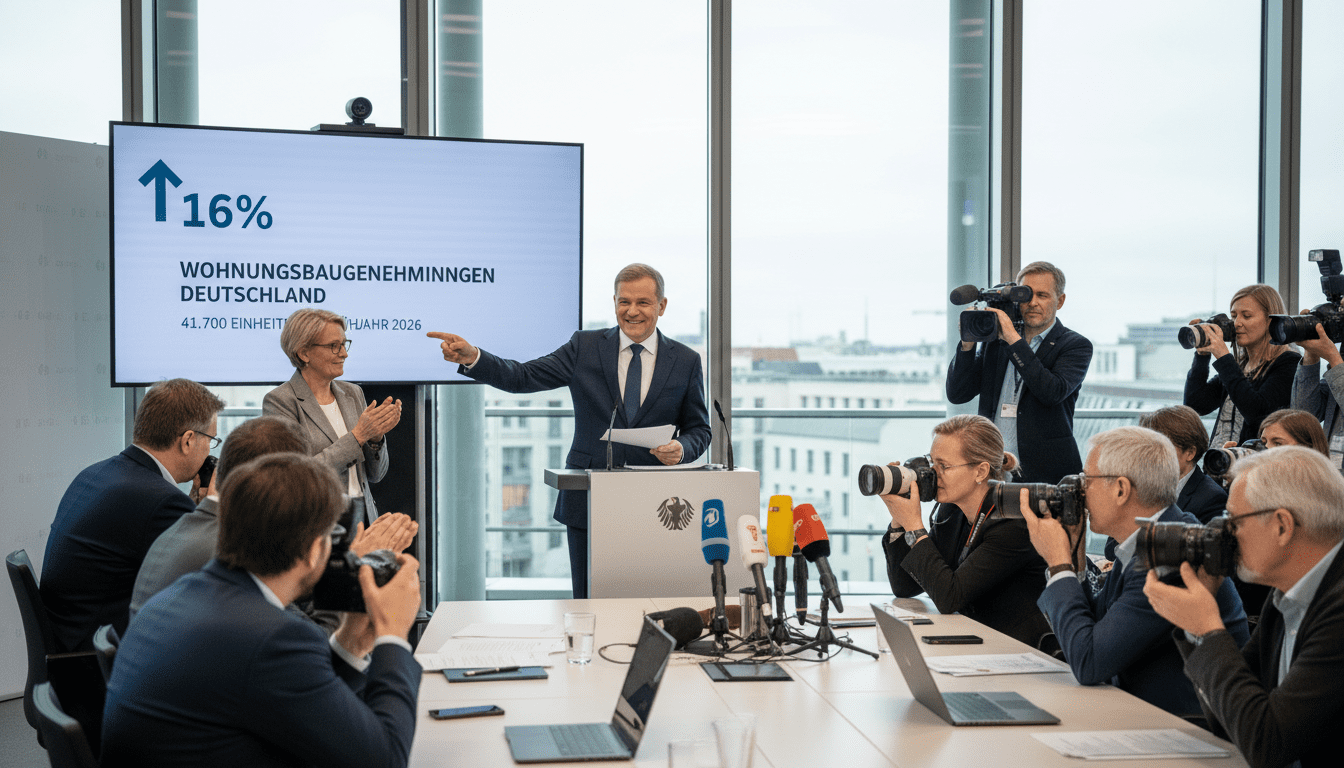
Building permits in Germany rose 16.2% in Jan–Feb 2026 to 41,700, with February up 24.1% to 22,200, signaling renewed momentum in housing approvals amid lingering cost and rate risks.
Germany recorded a clear uptick in building permits in the first two months of 2026, with 41,700 new apartments approved, according to the Federal Statistical Office. The rise in permits in Germany, driven in part by a 24.1% jump in February to 22,200 approvals, included some 19,000 units earmarked for new construction. This surge is being read by analysts and industry groups as an early sign of recovery in housing supply, though significant headwinds remain.
Permits data and February breakdown
The Federal Statistical Office reported that permits in January and February combined increased by 16.2% compared with the same period last year. February alone accounted for much of the momentum, with approvals climbing by nearly a quarter and the bulk intended for newly built dwellings. Officials noted that the remaining approvals were for apartments in existing structures, indicating interest across different project types.
Recovery following 2025 gains
The recent rise follows a broader recovery in 2025, when Germany saw 238,500 residential permits, an increase of about 11% year on year and the first annual rise since 2021. Analysts view permits as a forward-looking indicator for construction activity, suggesting potential acceleration in starts and completions if financing and material conditions remain stable. Still, experts caution that permit counts do not automatically translate into immediate building activity.
Industry warnings on conversion to construction
Leaders of the construction sector stressed that higher permit volumes do not guarantee more cranes on site. The main association of the German construction industry warned that elevated costs, regulatory burdens and persistent bureaucracy continue to delay actual project launches. Association officials have urged the federal government to address financing bottlenecks and streamline approval processes to turn permissions into construction.
Financial risks and cost pressures
Market observers highlighted financing costs and input-price inflation as the primary risks to translating permits into built housing. Surveys by leading economic institutes showed that concerns about rising interest rates are weighing on the outlook for residential building. At the same time, the industry pointed to higher energy and raw-material prices since the outbreak of conflict in the Middle East as a factor that could push construction costs back up.
Expert perspectives on the data’s limits
Economists emphasized that the recent statistics provide only a snapshot of sentiment and planning rather than a guarantee of future builds. Researchers at macroeconomic institutes noted that the sector displayed robust dynamics before the recent geopolitical shock, but that permit figures are inherently backward-looking. That means close monitoring of subsequent indicators such as construction starts, labor availability and contractor order books will be necessary to judge momentum.
What policymakers and developers will watch next
Stakeholders said they will be watching several indicators to determine whether the uptick in permits becomes sustained building activity. Key variables include the availability and cost of project financing, trends in prices for steel, timber and energy, and any policy measures aimed at reducing approval delays or improving access to subsidized loans. Regional differences will also matter, with demand and supply imbalances persisting in major urban centers.
The permit increase in early 2026 offers a cautiously optimistic signal for the German housing market, but industry and economic uncertainties mean that turning approvals into new homes will depend on financing conditions, material costs and administrative reforms.
