
German distribution grid operators face scrutiny over soaring profits and regulator oversight
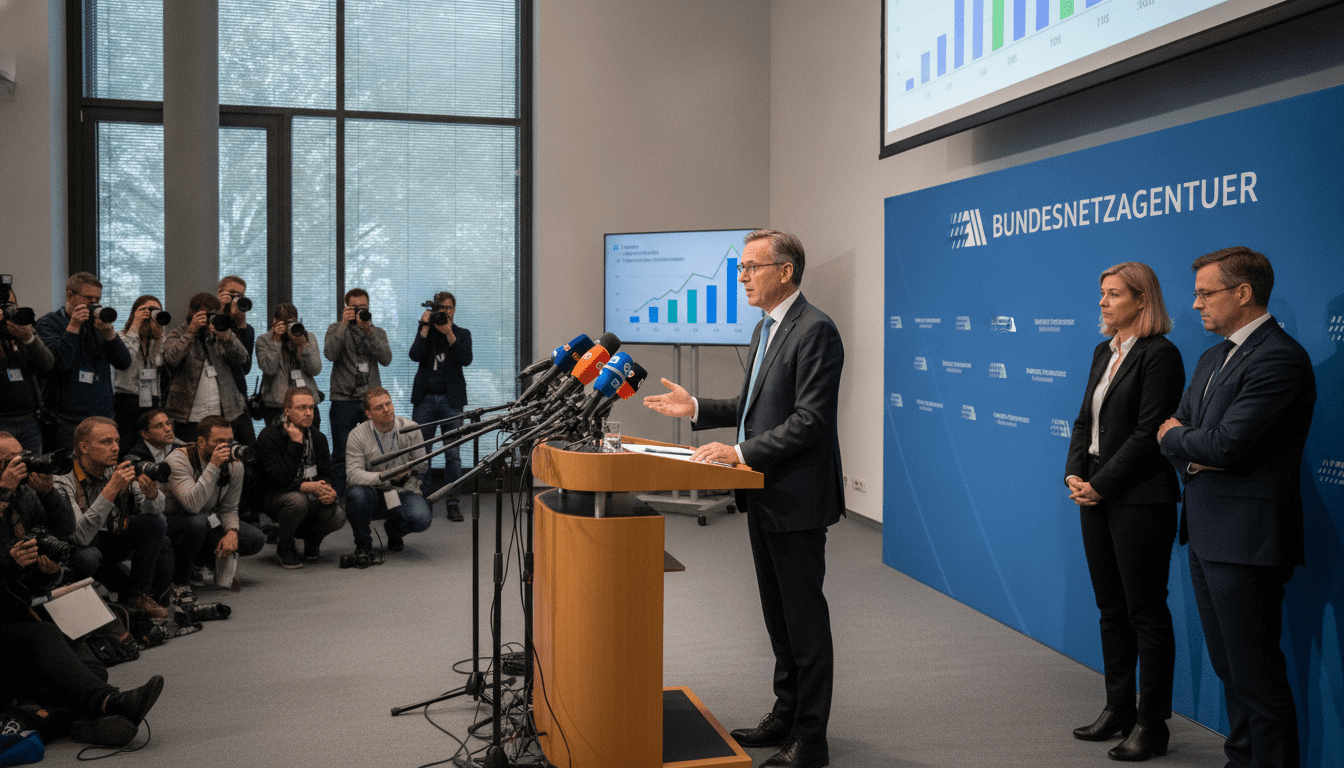
Debate intensifies as German distribution grid operators face scrutiny for unusually high profits while the Federal Network Agency defends its oversight and planned reforms. The controversy centers on alleged excessive returns by the largest operators and whether regulator cost checks are sufficiently rigorous.
The Bundesverband Neue Energiewirtschaft (BNE) has published figures it says show the 18 largest distribution network operators delivered a weighted average return on equity of 30.1 percent in 2024, far above the regulator’s allowed 5.07 percent. That claim prompted sharp criticism from lawmakers and consumer advocates and forced the Federal Network Agency (Bundesnetzagentur) to publicly reject accusations that it fails to enforce legal cost controls.
Federal Network Agency rejects claims of lax cost scrutiny
The Federal Network Agency responded to the accusations by stating that legal requirements are being applied consistently and that the allegation of insufficient cost verification is unfounded. The regulator emphasized it carries out detailed cost reviews and recently reduced companies’ requested revenues by roughly two billion euros.
The agency also explained the difference between the regulatory return it sets for recognized equity and the accounting return reported under commercial law. It warned that the two measures capture distinct accounting approaches and are not directly comparable.
BNE data and specific company returns spark alarm
The BNE’s analysis singled out several large operators for exceptionally high accounting returns in 2024, naming subsidiaries and regional operators with reported rates far above industry norms. Figures highlighted by the association include returns as high as 61 percent for one operator and 45 percent for an E.ON subsidiary, numbers that fueled public concern.
BNE executive Robert Busch argued that when regulated monopolies generate above-market returns, consumers have a right to expect improved performance on grid connection speed, digitalization and customer service rather than elevated profits. His critique frames the debate around value delivered to end users versus financial gains.
Operators argue accounting and regulatory measures differ
Distribution companies pushed back, saying the BNE’s comparison conflates bookkeeping effects with the regulator’s method for setting allowed revenue. Firms such as Netze BW and E.ON pointed to methodological issues, noting that long-lived assets and regulatory accounting produce higher apparent returns when current earnings are measured against older, largely depreciated book values.
Operators and their spokespeople described the high percentage figures as a “purely accounting” phenomenon that does not equate to an entitlement to excess cash extraction from customers. They also stressed that investments, balance sheet treatment and multi-year valuation rules shape reported rates and must be considered.
Regulation mechanics and the “photo year” critique
A central technical grievance raised by critics concerns the so-called “photo year” approach, under which the regulator examines costs in a single reference year and extrapolates them for the following regulatory period. Critics say this creates incentives to load one year with eligible expenses, which then are accepted for multiple subsequent years without individualized verification.
The Bundesnetzagentur acknowledged that certain rule features can produce “windfall effects,” and it pointed to planned regulatory adjustments intended to reduce such distortions. It also noted that most small and local operators are assessed under simplified procedures, which complicates transparency and comparability across the sector.
Planned NEST reform and shorter regulatory periods
Regulatory change is already on the agenda. The agency said reforms under the NEST process will introduce a new metric for “network performance capability” aimed at focusing oversight on energy transition competence and digitalization outcomes. From 2029, some NEST measures are expected to address identified pass-through effects.
Further, the regulator plans to shorten standard regulatory periods from five to three years beginning in 2034, a move intended to limit the multi-year carryover of one-off costs identified in a single photo year. Proponents argue the combination of performance metrics and shorter cycles will align incentives toward faster grid modernization and better customer service.
Transparency, quality control and political pressure
The controversy has drawn political attention as well, with energy-policy figures demanding assurances that consumer tariffs only cover fair costs. Green Party spokesperson Michael Kellner urged the regulator to prevent “dream returns” at the expense of consumers, while think tanks such as RAP have called for greater publication of revenue caps and more granular scrutiny.
Observers highlight a persistent transparency gap: regulators published complete revenue limits for only about half of network operators in the most recent year, according to critics, making independent verification difficult. Experts warn that without clearer public data and stronger individual reviews, public trust in the sector will remain fragile.
The dispute over high profits and regulatory practice puts the spotlight on how Germany will finance and operate its distribution grids during the energy transition, balancing the need for investment with consumer protection.
Longer-term reforms remain uncertain and will require concerted action from regulators, lawmakers and network owners to restore confidence and ensure that grid tariffs translate into tangible improvements in connection times, digital services and resilience rather than disproportionate returns to shareholders.
