
Gianni Infantino Faces Growing Backlash Over Proposed Sale of World Cup Rights
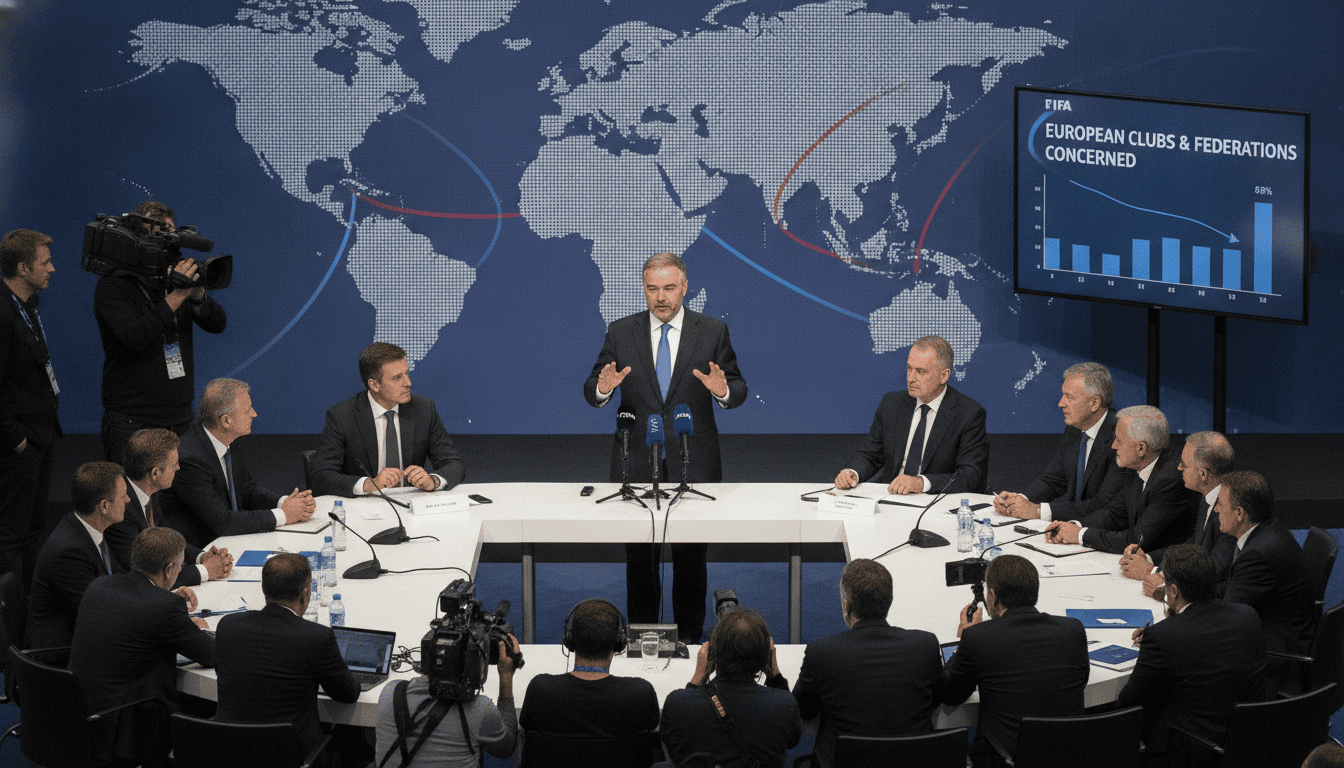
Gianni Infantino is confronting intensified criticism from UEFA and leading European football figures over FIFA plans to sell World Cup rights, a move that threatens governance and revenues. European officials, including DFB vice-president Hans-Joachim Watzke, have called the proposals an “attack on football” and warned of potential commercialization that could change the sport’s structure. The dispute centers on opaque plans to package tournament rights into corporate ventures and the broader question of who controls football’s most valuable assets.
Critics Label Rights Sale an Attack on the Game
Senior European executives say proposals to divest World Cup assets cross red lines and risk undermining the game’s integrity. Detractors argue that transferring rights to commercial partners could prioritize short-term profit over sporting values and fan access. Public statements from national associations and league leaders emphasize transparency and retained governance as non-negotiable.
FIFA’s Proposal and the New Commercial Vehicle
FIFA has advanced plans to create a commercial entity to manage and monetize tournament rights, reportedly valuing the venture in the billions. While FIFA describes such moves as modernization designed to secure long-term funding for global football development, opponents fear loss of regulatory control. The central concern is whether commercial partners would influence competition formats, scheduling, or qualification rules to maximize returns.
Why Europe Matters in the Standoff
Infantino’s initiatives depend heavily on the participation and star power of European clubs and national teams, which dominate global viewership and sponsorship. UEFA and major European federations can blunt or bolster FIFA’s market value by threatening non-participation or collective resistance. Analysts note that without Europe’s elite clubs and national teams, the commercial appeal and valuation of any World Cup-rights portfolio would fall significantly.
Past Conflicts and the Limits of Rhetoric
The current confrontation follows months of mounting unease over Infantino’s leadership and previous proposals, such as a biennial World Cup, which prompted united resistance from several continental confederations. European bodies have frequently issued sharp statements but stopped short of decisive institutional action, reflecting a mix of political caution and commercial interdependence. Observers say that rhetorical rebukes have highlighted boundaries but have not resolved deeper governance tensions.
Potential Responses from UEFA and National Federations
Experts suggest several pathways for European federations seeking to curb FIFA’s proposals, ranging from coordinated legal challenges to collective bargaining over participation terms. National associations could leverage broadcasting agreements, tournament commitments, and regulatory influence within FIFA’s council structures. However, coordinated action requires sustained political will and alignment among federations with differing commercial interests.
Implications for Fans and Football Ecosystem
If rights are sold to private partners with broad control over distribution and scheduling, fans could face higher access costs, more fragmented broadcast windows, and altered competition calendars. Smaller confederations and domestic competitions may also see revenue flows shift as multinational contracts prioritize global marketability. Stakeholders argue that preserving equitable revenue distribution and predictable sporting calendars must remain central to any restructuring.
The unfolding dispute over the proposed sale of World Cup rights places Gianni Infantino at a crossroads between commercial ambitions and institutional resistance from Europe’s football establishment. How UEFA, national federations and clubs choose to respond will shape not only the value of future tournaments but also who ultimately sets the rules for the world’s most watched sporting event.
