
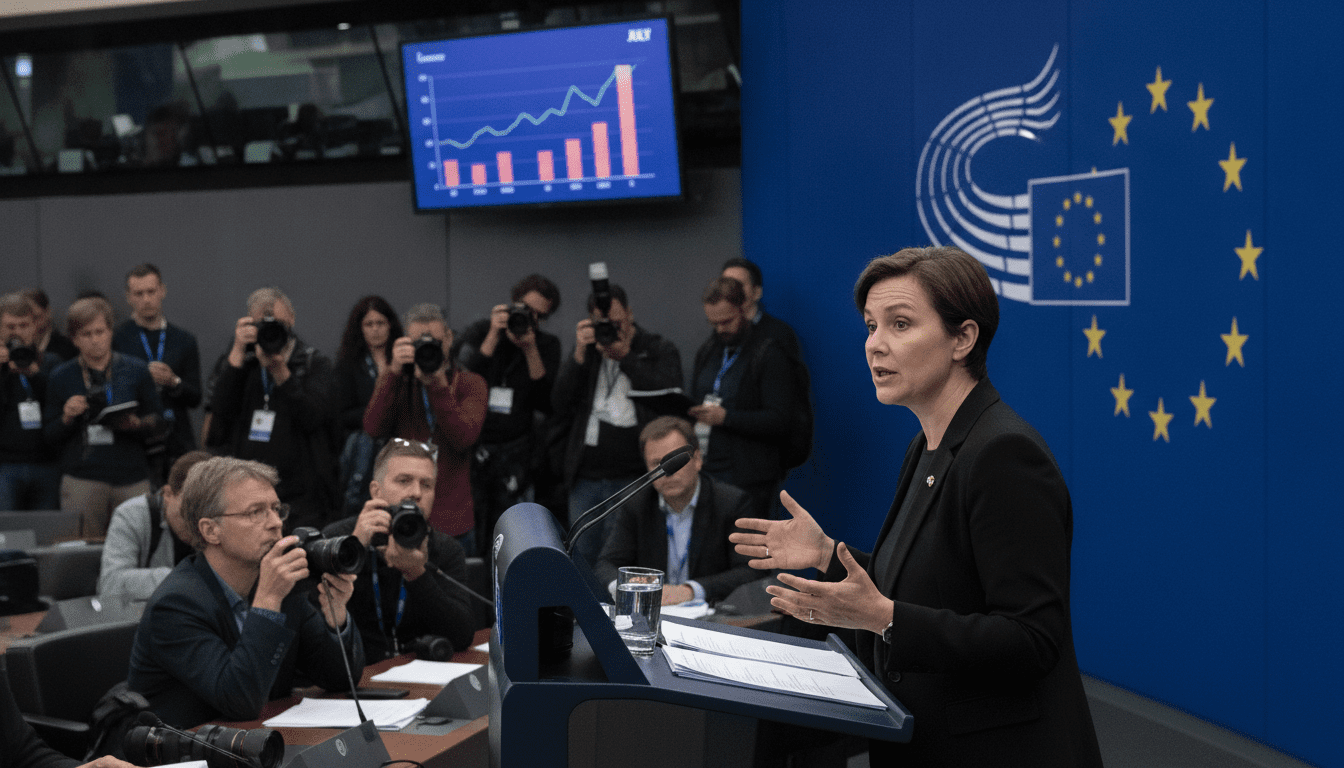
EU energy crisis: Jørgensen warns recovery will take months for oil and years for gas despite Iran‑US deal
EU energy crisis: Commissioner Dan Jørgensen warns recovery will take months for oil and years for gas despite Iran‑US deal; electrification targets due mid‑July.
The EU energy crisis remains unresolved, EU Commissioner for Energy Dan Jørgensen told European media after a framework agreement between the United States and Iran. Jørgensen said the reopening of the Strait of Hormuz would not instantly restore supplies and that oil could take months and gas several years to return to levels seen before the Iran war began on February 28, 2026. He warned that even with diplomatic progress the bloc must prepare for extended disruption and accelerate electrification and renewable deployment.
Jørgensen cautions against complacency after Iran‑US framework
Jørgensen said the diplomatic breakthrough reduces immediate military risk but does not erase the supply shock that followed the conflict. He stressed that planning must assume phased restoration of flows rather than an abrupt return to pre‑February 28, 2026 volumes. The commissioner emphasised contingency measures taken by member states and noted how fragile market confidence remains even after the deal.
Projected timelines for oil and gas recovery
According to Jørgensen, oil markets should see a marked improvement before the end of the year if shipping lanes stay open and production ramps up. By contrast, he said gas infrastructure — notably facilities in Qatar that were damaged or disrupted — will take much longer to rebuild, estimating at least two years to restore earlier throughput. He added that the consequences for fertilizer production and other energy‑linked supply chains are still unclear and may unfold over an extended period.
Immediate economic impact on the EU
The commissioner quantified the crisis’s financial toll, saying the conflict cost the European Union approximately €645 million per day. That figure underlined his call to hasten the shift away from fossil fuels and to insulate the economy from future geopolitical shocks. Jørgensen announced that the European Commission will present initial electrification targets in mid‑July and follow up with more detailed proposals after the summer.
Electrification targets and policy direction
Details of the proposed electrification goal remain under discussion within the Commission and with member states, Jørgensen said. He indicated the target will be ambitious and could include sectoral or national components, but final decisions will follow the Commission’s post‑summer package. The commissioner pointed out that electricity currently accounts for roughly 23 percent of the EU’s energy mix, compared with about 30 percent in countries such as China and Japan, and framed the new target as a step to close that gap.
Market response: electric vehicles and heat pumps
The crisis has already accelerated consumer and industry shifts toward electricity, Jørgensen said, citing a surge in demand for electric vehicles and home heating technologies. Industry data referenced by the commissioner show more than 500,000 new electric car registrations in the EU during the first quarter of 2026, a development estimated to cut oil consumption by around two million barrels a year. He added that sales of residential heat pumps in France, Germany and Poland rose by over 400,000 units in the same period, an increase of roughly 25 percent compared with Q1 2025.
Operational and distribution challenges for member states
Jørgensen warned that practical hurdles remain for the EU’s clean energy transition, which must be addressed sector by sector and country by country. He pointed to logistical complications that arose when governments considered releasing strategic reserves — a scenario that could have left airlines short of kerosene toward the end of the summer without coordinated action. The Commission will need to balance EU‑level targets with national implementation plans and financial support to prevent uneven outcomes across the bloc.
The commissioner also highlighted emerging pressure from new technologies, urging the EU to set strict energy‑efficiency standards and labels for data centres and other high‑intensity users. He proposed tighter rules to ensure AI computing facilities are integrated into district heating and to promote reuse of waste heat, measures intended to prevent the rapid expansion of compute capacity from straining electricity systems. Jørgensen framed these steps as complementary to renewables expansion and electrification, not alternatives.
The message from Brussels was clear: the Iran‑US agreement reduces the immediate threat but does not conclude the EU energy crisis, and policymakers must use the breathing space to harden energy independence and accelerate the low‑carbon transition.
