
EU budget 2028-2034 faces sharp opposition as Germany and allies demand deep cuts
At the Brussels summit on June 19, 2026, Germany pushed to cut the EU budget 2028-2034; leaders debated a near-€2 trillion plan and target a year-end deal.
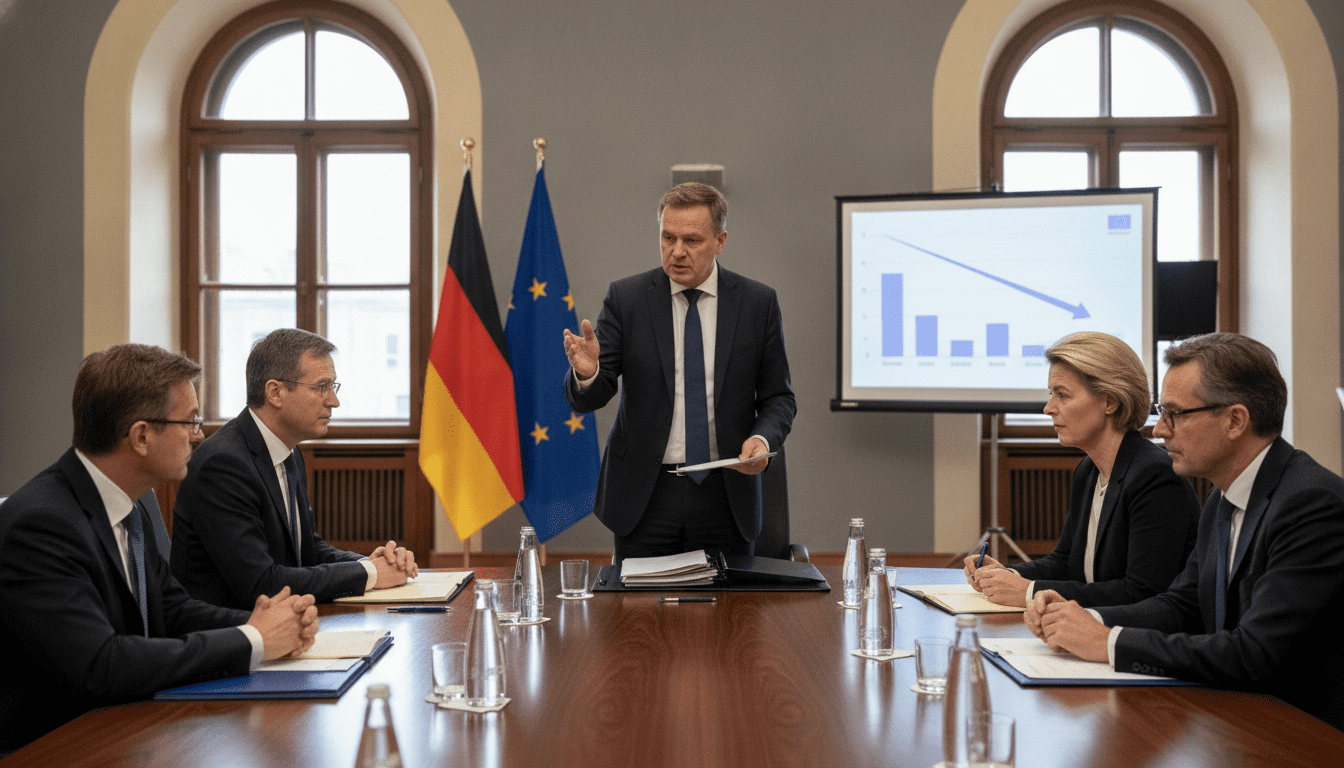
Germany’s call to sharply reduce the EU budget 2028-2034 proposal dominated discussions at the EU summit in Brussels on Friday, June 19, 2026. Chancellor Friedrich Merz told fellow leaders the current offer was unaffordable and asked for a new, lower proposal to be put forward. The demand intensified a rift between large net contributors and countries seeking to preserve spending for farmers and regions.
Merz urges a substantial rethink of the proposal
Speaking on the sidelines of the summit, Chancellor Friedrich Merz described the draft budget for 2028–2034 as too large for Germany to accept. He said even figures in the range of €1.6–€1.7 trillion would require Germany to increase its annual contributions by roughly €15–20 billion, a step his government considers untenable. Merz called for a fresh compromise that reduces overall spending while keeping the EU’s priorities focused and sustainable.
Austrian Chancellor Christian Stocker and Dutch Prime Minister Rob Jetten voiced similar reservations, saying that a larger budget did not automatically strengthen the Union. The three leaders, representing states that are net contributors to the EU budget, argued that any expansion must be justified by clear, prioritized gains in security and competitiveness.
Net contributors coordinate a lower-spending stance
Germany, Austria and the Netherlands belong to a group of member states that pay more into the EU budget than they receive back, and they are pressing for smaller commitments from 2028 to 2034. Merz acknowledged at the summit that their position does not yet represent a majority, but stressed the need to reach a consensus because the budget requires unanimous agreement. The bloc of frugal contributors also included Sweden and Finland, officials said.
To sharpen their negotiating position, the countries arranged separate meetings at the margins of the summit to coordinate demands and messaging. Those talks are expected to continue in the run-up to formal negotiations, as net contributors seek a package that limits future contribution increases.
Commission proposal, current figures and compromise mechanics
Last summer the European Commission proposed a near-€2 trillion envelope for the seven-year period in current prices, a significant rise from the present €1.25 trillion framework. The proposal reflected ambitions to fund defence, digital and green transitions, but it also prompted concern among states wary of rising contributions. The Cypriot EU Council presidency presented a first compromise at the summit that trimmed the proposal by about two percent.
Sceptical capitals argue the cut is insufficient and say further reductions are needed before a final deal. Negotiators will need to reconcile the Commission’s strategic priorities with the political reality that donor countries are reluctant to accept steep increases in their net contributions.
Southern and eastern member states push back on cuts
Italy and Spain warned that deep cuts would hit farmers and regional cohesion funds disproportionately, insisting that those programs are vital for economic balance and political stability. Countries that receive substantial cohesion and agricultural support — including Poland, Greece and Bulgaria — welcomed the compromise proposal as a starting point for negotiations. These opposing priorities have set the stage for hard bargaining in the months ahead.
Leaders from recipient states have signalled they will resist reductions that would shrink direct aid to regions and sectors already under pressure from inflation and structural change. That resistance complicates the path to unanimity and could force compromises on programmatic detail rather than headline totals.
Summit tactics: informal groupings and regular talks
At the Brussels meeting, two informal camps emerged: a gathering of states prioritizing cohesion and traditional spending, and a set of “savings” or frugal states seeking lower totals. Both sides held separate coordination talks at the margins, with plans to meet regularly until negotiators can bridge their differences. Diplomats said these side meetings are intended to build internal unity and produce coherent bargaining positions.
The Cypriot presidency hopes such structured coordination will speed formal discussions and lead to a deal by the end of the year. But diplomats caution that achieving unanimity across 27 capitals, each with distinct domestic pressures and budget cycles, will remain challenging.
What the dispute means for Germany’s planning and EU priorities
For Berlin, the stakes are practical as well as political: Germany needs clarity on future agricultural and cohesion transfers to plan national budgets and local projects beginning in 2028. Merz’s demand for a lower ceiling is partly driven by a desire to provide fiscal predictability at home and to avoid significant increases in net contributions. German officials said a clear, agreed figure is essential before ministries can finalise spending commitments that depend on EU co-financing.
At the EU level, the contest over totals will test member states’ willingness to reconcile long-term strategic ambitions with short-term fiscal restraint. How negotiators resolve the tension between funding new priorities such as defence and research, and preserving traditional transfers to farmers and regions, will shape the Union’s policy mix for the late 2020s.
The summit concluded with no final agreement, but with an explicit aim to continue talks and to reach a consensus by year-end, leaving negotiators with a defined timetable and significant political obstacles to overcome.
