
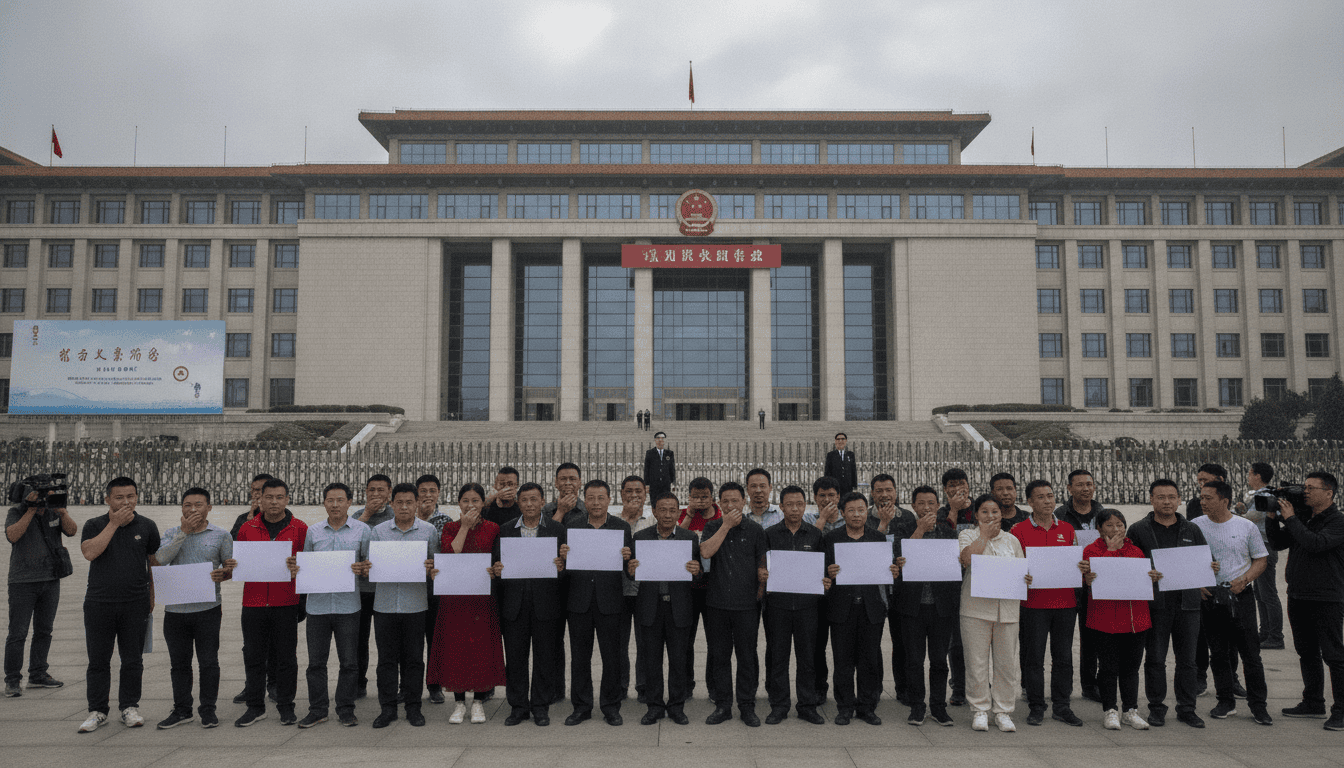
Beijing’s ethnic unity law takes effect, enshrines Mandarin as primary language
Beijing’s ethnic unity law took effect July 3, 2026, elevating Mandarin in schools and public life and raising concerns over minority rights and overseas enforcement.
China’s new ethnic unity law, which came into force on July 3, 2026, formally strengthens Mandarin as the primary language for education, official business and public spaces across the country. The legislation, presented by Beijing as a tool to forge a shared national identity, includes provisions on social cohesion and measures to prevent separatism. Critics at home and abroad say the law risks curtailing cultural and linguistic rights for groups such as Uighurs and Tibetans and contains a clause enabling action against violators outside China.
Mandarin designated as primary language in education and public life
The law explicitly elevates Mandarin in classrooms, government offices and public signage, making the language central to official education policy. Local authorities are expected to align curricula and administrative procedures with the new legal framework. Education experts and minority advocates warn these measures could accelerate the decline of regional languages and reduce opportunities for mother-tongue instruction.
Government argues law bolsters social cohesion and national identity
Beijing has framed the legislation as a means to strengthen national unity by promoting a common language and shared civic values. Officials say clearer language standards will improve government service delivery and social integration across diverse regions. The government also emphasizes anti-separatism provisions, arguing they are necessary to maintain territorial integrity and stability.
Activists and diaspora groups warn of rights erosion for Uighurs and Tibetans
Human rights advocates and organizations representing minority communities say the law will deepen existing restrictions on cultural and religious expression. Zumretay Arkin, vice president of the World Uighur Congress, and other activists have signalled that language policies often intersect with broader policies limiting communal rights. Analysts caution that compulsory language measures, combined with other enforcement tools, may marginalize minority languages and curtail local autonomy.
Clause allowing extraterritorial action raises international alarm
A contentious provision in the law states that China can take action against individuals or organizations that violate the statute even when they are outside the country. Critics say that clause could be used to target dissidents, diaspora activists and foreign-based organizations critical of Beijing. Legal scholars and international observers note the provision raises complex questions about sovereignty, jurisdiction and the limits of domestic laws applied beyond national borders.
Taiwan and regional actors express concern about overseas targeting
Taiwan’s government has explicitly warned the law could be invoked against people on the island who criticise Beijing, framing the measure as a potential threat to free expression beyond the mainland. Regional analysts say the provision may complicate cross-strait relations and heighten tensions with governments that host Chinese diaspora communities. International rights groups and policymakers are watching whether countries will respond with diplomatic protests or legal safeguards for residents at risk.
Analysts weigh likely impacts and enforcement challenges
Experts including Einar Tangen, a senior fellow at the Centre for International Governance Innovation, and William Yang, a senior analyst for Northeast Asia at the International Crisis Group, have highlighted uncertainties about how the law will be implemented at the local level. They point out that enforcement will vary across provinces and could depend on local political priorities and administrative capacity. Observers also stress that vague language in the law could allow broad interpretation and inconsistent application.
The law’s passage and immediate effect on July 3, 2026, mark a new phase in Beijing’s approach to national unity and language policy, placing Mandarin at the center of state efforts to define citizenship and public belonging. How local authorities balance central directives with the preservation of regional languages and cultural practices will determine the law’s practical consequences in the years ahead.
Domestic legal reviews, international scrutiny and responses from affected communities will shape the law’s trajectory and its diplomatic fallout.
