
Housing reform package: CDU and SPD pledge affordable new build, block nationalisation
CDU and SPD unveiled a housing reform package on July 2, 2026, committing to affordable new construction while rejecting proposals to nationalise private housing firms.
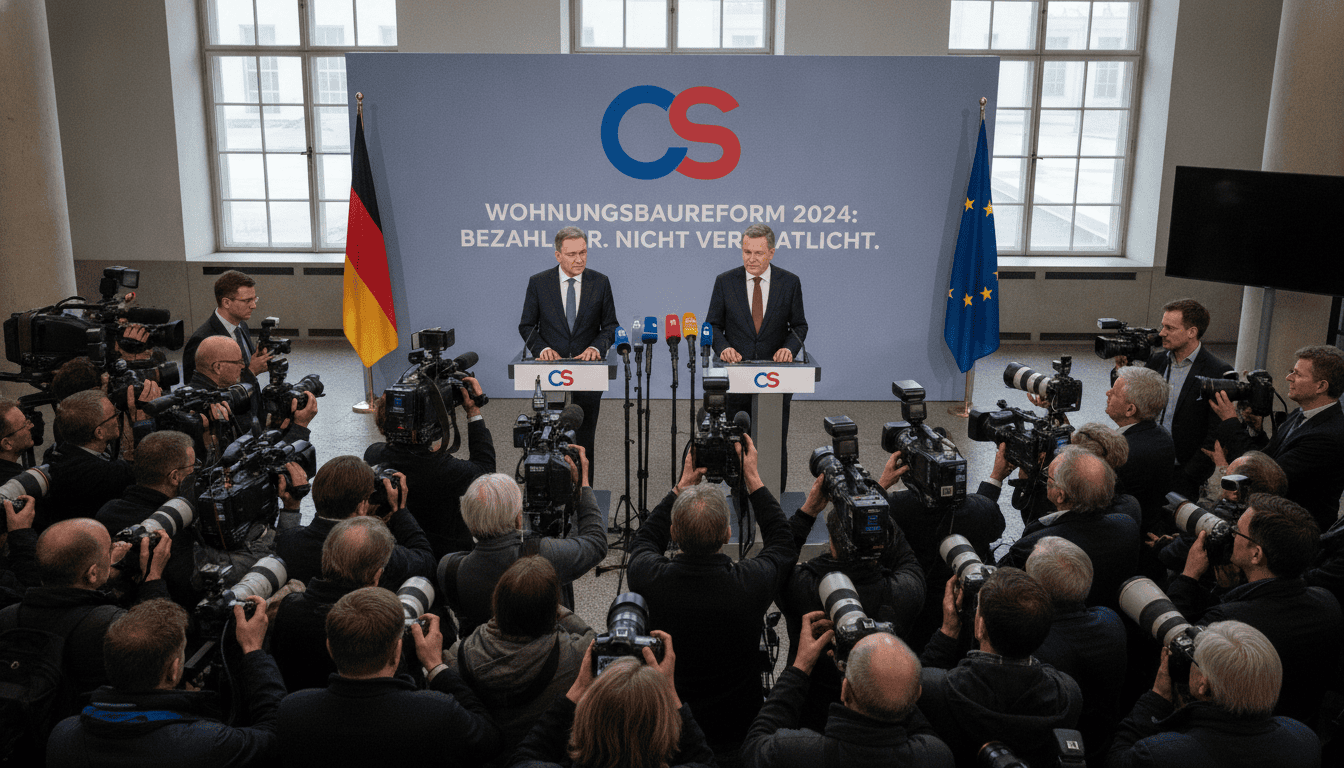
On July 2, 2026, the CDU and SPD presented a housing reform package at a coalition committee meeting that foregrounds two central aims: boosting affordable new construction and formally blocking moves to nationalise private housing companies debated in Berlin. The announcement signals a strategic shift in the coalition’s priorities as it seeks to address mounting public concern over housing costs and supply.
Coalition committee unveils housing reform package
The coalition committee made the package public after focused talks that had been expected to centre on taxes and pensions but instead allocated significant time to housing policy. Party leaders framed the measures as an effort to strike a balance between state responsibility and preserving market confidence.
Officials described the document as a framework rather than final legislation, saying technical drafts and consultations will follow before any bills reach parliament. The committee’s decision to highlight housing suggests the issue is politically urgent for both parties ahead of forthcoming legislative debates.
Commitment to affordable new construction
A headline element of the package is an explicit pledge to accelerate and support affordable new construction across urban and suburban areas. The coalition emphasized that increasing supply remains the most effective long-term approach to easing price pressures on renters and buyers alike.
While the package stops short of listing precise tools in its initial statement, it underscores a commitment to measures that increase building rates and reduce bureaucratic obstacles. The announcement framed new construction as a public good requiring targeted state involvement where markets alone fail to deliver sufficient affordable units.
Formal rejection of nationalisation proposals
The second key thrust of the reform package is a clear rebuff to proposals circulating in Berlin to nationalise large private housing corporations. The coalition committee’s language effectively removes nationalisation from the policy options under consideration by the governing parties.
Coalition spokespeople argued that preserving private ownership of housing stock is necessary to maintain investment and ensure continued development. They also framed the rejection as seeking to avoid legal and fiscal uncertainty that could undermine construction and renovation efforts.
Political context for the surprise focus on housing
Housing emerged as a prominent topic amid public pressure and visible local debates in several cities, where tenant groups and municipal leaders have pushed for bolder interventions. The CDU and SPD’s decision to elevate the issue reflects an attempt to respond to voter concern while delineating a centrist alternative to more radical proposals.
Observers noted that housing is a politically salient, sometimes existential, issue for many households, and that both parties sought to show responsiveness without embracing measures they see as disruptive. The coalition’s stance is shaped by the competing goals of affordability, fiscal responsibility, and investor confidence.
Next steps: drafting, consultation and legislative process
Following the committee’s announcement, party and government legal teams are expected to draft concrete proposals that translate the package’s principles into specific measures. Those drafts will likely include consultations with Länder (states), municipalities and industry stakeholders before formal bills are introduced in parliament.
Implementation timelines were not specified in the initial statement, and officials warned that regulatory changes, funding decisions and planning reforms will take time to enact. Analysts say the real test will be whether the coalition’s commitments produce measurable increases in construction and a slowdown in rent growth.
Early responses from tenants and industry stakeholders
Initial reactions to the package were mixed, with tenant advocates welcoming the emphasis on affordable new construction while asking for more concrete commitments and faster timelines. Industry groups reacted positively to the rejection of nationalisation, viewing it as a signal that private investment in housing will remain viable.
Municipal leaders said coordination with local planning authorities will be crucial to turn the coalition’s pledge into delivered projects. Commentators cautioned that rhetoric must be followed by targeted measures in zoning, financing and construction capacity to achieve tangible results.
The coalition’s housing reform package, unveiled on July 2, 2026, sets a clear political line: prioritize affordable new building while keeping large-scale nationalisation off the table. The coming months will show whether that dual approach can produce the supply increases and policy clarity voters and markets are seeking.
