
Bosch fine: company to pay $36 million after unauthorised shipments to Huawei
Bosch agrees to pay $36 million to U.S. authorities after subsidiaries exported sensors and software to Huawei without licenses; DOJ ends prosecution.
Bosch has agreed to pay a $36 million fine to the U.S. government following shipments of sensors and software to Huawei that lacked required export licenses. The announcement makes the “Bosch fine” a central development in ongoing U.S. enforcement of export controls against Chinese technology firms. Two foreign Bosch subsidiaries reportedly made more than 100 transfers to Huawei between 2020 and 2024, prompting the settlement.
Settlement with U.S. Commerce Department
The U.S. Department of Commerce disclosed that Bosch will pay $36 million, roughly €31 million, to resolve alleged export-control violations. The settlement covers shipments of components and software that U.S. officials say required authorization because they were based on American technology. Bosch confirmed the agreement and said the violations were unintentional, framing the payment as part of corrective measures.
The Commerce Department noted the value of the disputed shipments exceeded $70 million, underscoring the scale of the transfers. The fine reflects enforcement priorities tied to national security and the U.S. blacklist that restricts certain exports to Huawei. Bosch said it has cooperated with investigators and strengthened controls to prevent future lapses.
Nature and scope of the shipments
According to the company and U.S. authorities, the shipments involved sensors and mobile-phone software components supplied in over 100 separate transactions. Those transfers occurred between 2020 and 2024 and were executed by two Bosch subsidiaries located outside the United States. U.S. export rules require licences for items incorporating U.S.-origin technology when exported to entities on the U.S. blacklist.
The Commerce Department’s assessment focused on whether exported parts relied on U.S. technology subject to control, which would make authorisation mandatory. Bosch did not dispute the transactions but characterized them as inadvertent compliance failures that arose from gaps in its export-control procedures. The company has since said it reviewed and revised its compliance program.
Justice Department drops criminal charges after self-disclosure
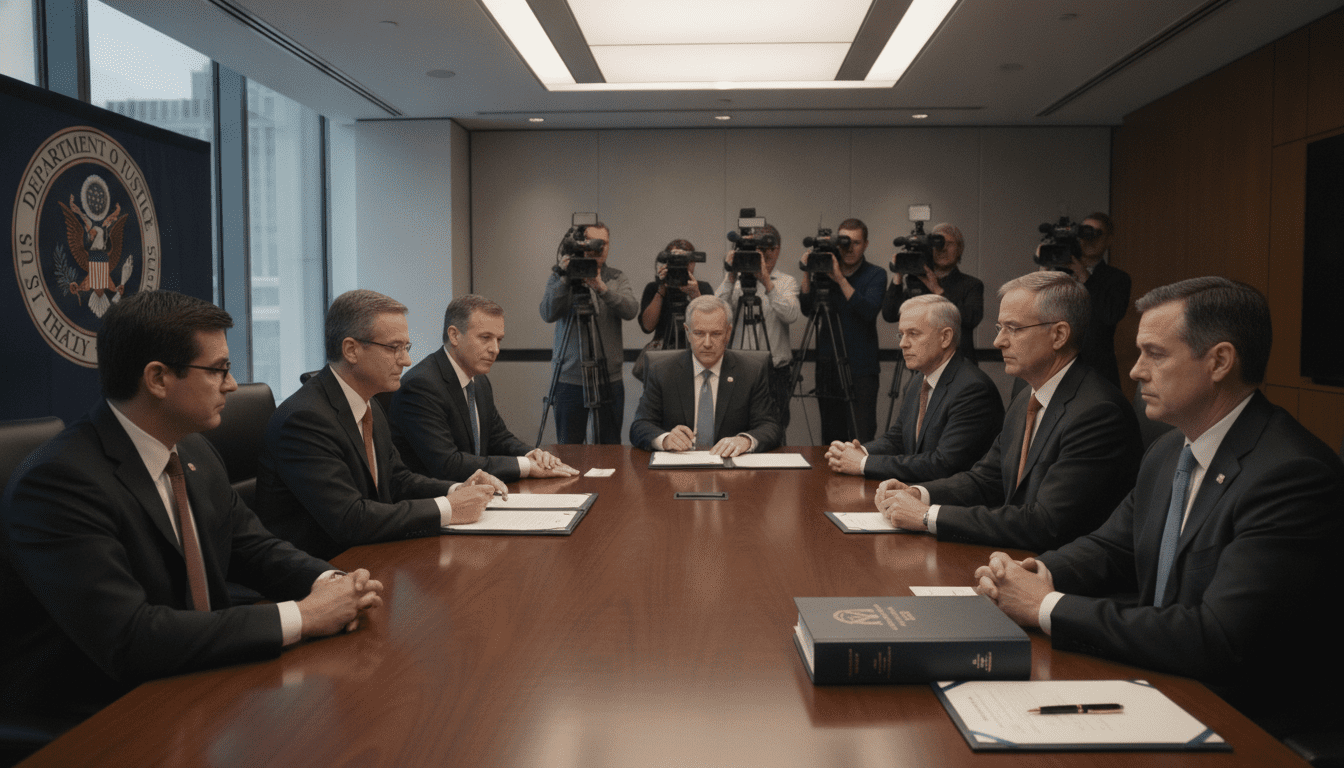
The U.S. Justice Department announced it would not pursue criminal prosecution, citing Bosch’s voluntary disclosure and cooperation during the inquiry. Deputy Attorney General for National Security John A. Eisenberg highlighted the value of companies reporting potential violations promptly and assisting investigations. As a result, criminal charges were not filed against Bosch and the Justice Department accepted forfeiture of profits derived from the transactions.
Bosch also agreed to forfeit gains from the sales to the Justice Department; that forfeiture will be credited against the Commerce Department settlement. U.S. authorities framed the outcome as an example of enforcement that rewards transparency while still holding firms accountable. Bosch emphasized that this resolution allows it to move forward after implementing enhanced compliance safeguards.
Commercial and financial impact on Bosch
The $36 million payment is small relative to Bosch’s global revenue, which the company reported at about $90 billion in 2024. Nonetheless, the settlement carries reputational and procedural consequences, as it highlights weaknesses in export-control compliance at an established technology supplier. Bosch said it would absorb the cost and use the episode to tighten internal controls and training.
Beyond the immediate financial penalty, Bosch faces scrutiny from customers and regulators about how it manages transfers that touch on U.S.-origin technology. The forfeiture of transaction profits reinforces the message that ill-advised exports can erode margins in addition to incurring fines. Bosch’s pledge to overhaul its compliance program seeks to reassure partners and authorities that similar incidents will be prevented.
Export controls, Huawei and broader tech policy context
The case is rooted in long-standing U.S. restrictions on Huawei, which has been placed on an entity list that curtails access to American technology. Under those rules, certain exports that depend on U.S. software, components or intellectual property require explicit licences before shipment. The Commerce Department has increasingly focused enforcement on complex supply chains that can carry U.S.-origin inputs even when goods are assembled abroad.
Policy debates in the EU and elsewhere have reflected worries about supply-chain dependencies and the extraterritorial reach of U.S. controls. For German suppliers like Bosch, the episode illustrates the operational challenges of complying with multiple jurisdictions’ export rules. Bosch’s settlement will likely prompt other European exporters to review their licensing procedures and vendor oversight.
Implications for suppliers and compliance practices
Industry specialists say the Bosch case should serve as a wake-up call for manufacturers that rely on global component sourcing and subcontracting. Companies must map the origin of software and hardware inputs and ensure licensing requirements are understood across all subsidiaries. Effective compliance now typically requires centralized oversight, automated screening, and robust staff training to spot flagged end-users and constrained technologies.
Bosch’s public statements describe concrete steps to strengthen controls, but analysts caution that sustained investment and cultural change are needed to prevent recurrence. Export-control enforcement is increasingly data-driven, and firms that lag in documentation and monitoring face higher exposure to fines or operational disruption. The settlement therefore has lessons for legal teams, supply-chain managers and corporate boards.
The Bosch fine closes a chapter in the company’s dealings with Huawei but underscores the wider regulatory pressures on multinational technology suppliers as geopolitical restrictions on exports tighten. The resolution offers a path for remediation through disclosure and cooperation, while signalling to industry that compliance lapses carry both financial and strategic costs.
