
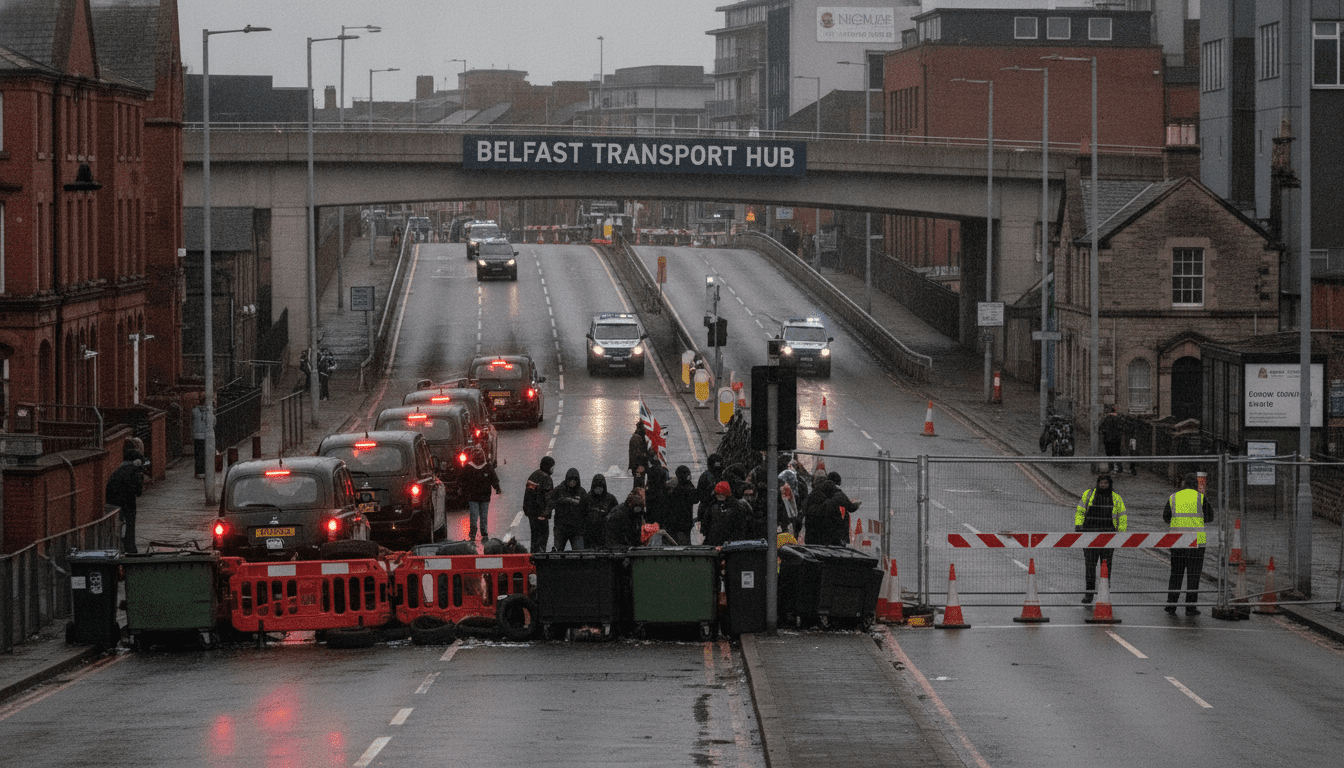
Belfast unrest deepens as buses and shops shut after arson and street attacks
Belfast unrest has forced a citywide shutdown of public transport and many businesses as authorities respond to arson attacks and violent street incidents that targeted residents, including foreign nationals.
Citywide shutdown and transport halted
Belfast’s public transport operator suspended bus services from 17:30 and later halted train operations as tension spread across the city. The move, taken on consecutive days, left hospitality staff and commuters uncertain how to get home and disrupted normal life for thousands.
Shops and some schools closed early amid fears of renewed violence, creating a near-blanket pause on daytime activity in the Northern Ireland capital. Local authorities described the situation as exceptional, with many residents choosing to stay indoors until a clearer sense of safety returns.
Arson attack on Glider bus and street attacks
The unrest erupted after a stabbing incident earlier in the week that left a 40-year-old man critically injured in hospital, with a suspect charged with attempted murder. In the days that followed, masked groups reportedly went house to house in several neighborhoods searching for foreign nationals and setting vehicles and properties alight.
One particularly destructive blaze gutted a Glider bus that links east and west Belfast, leaving only a charred shell and stoking widespread alarm. While subsequent nights saw fewer large-scale barricades and burning debris, there were isolated arson attacks, including a house set on fire in Newtonabbey.
Police deployment and operational tactics
Police Service of Northern Ireland (PSNI) vehicles were widely visible as officers patrolled neighborhoods and conducted targeted searches for suspects. The deputy chief constable, Ryan Henderson, said reinforcements had been called in from across the United Kingdom to help restore order and pursue those responsible.
Authorities avoided mass use of water cannon or rubber bullets in later clashes, according to police statements, but warned they would take firm action against violent individuals. Some suspects remain under active investigation as the PSNI seeks to prevent further organized disturbances.
Community fear and local responses
Residents described a pervasive sense of fear, with some communities labeling parts of the city as “no-go areas” for the time being. Hospitality workers reported leaving premises early to avoid being stranded, while families altered routines amid concerns that violence could return.
Community leaders and emergency services urged calm and restraint, highlighting the strain on firefighters and medical resources after multiple nights of unrest. Local civic organizations called for increased protection for vulnerable residents, particularly those from migrant and refugee backgrounds who were reportedly targeted during the disturbances.
Political reactions and border debate reignited
The stabbing and subsequent violence prompted renewed political debate over the Common Travel Area between Northern Ireland and the Republic of Ireland. Gavin Robinson, leader of the Democratic Unionist Party, urged tougher border controls in the House of Commons, arguing the attacker had traveled from Dublin into the UK to claim asylum.
The British government said it would tighten measures to address illegal migration into Northern Ireland, though officials gave few operational details on how tightened controls would be implemented. Reports also noted that the Home Office recorded arrests last year of individuals allegedly exploiting the open land border, adding fuel to parliamentary calls for change.
Outlook for restoration of normality
Police and government officials emphasized that communities in Northern Ireland deserve a return to normal life, but acknowledged that progress would be gradual. Shops, transport links and schools remained intermittently closed as authorities assessed security risks and planned further deployments.
Social media channels continued to carry both appeals for calm and calls for further protests, complicating efforts to set a clear timetable for reopening. Thompson, a local official, described rebuilding trust between communities as a priority should follow-up work on policing and protection proceed.
Communities, political leaders and policing authorities now face the immediate task of stabilizing Belfast while addressing the longer-term issues raised by the violence, including migration, policing and community relations.
