
BASF launches CoreShift to cut cash-based fixed costs by up to 20% and reshape workforce
BASF launches CoreShift to cut cash-based fixed costs by up to 20% by 2029, reshaping Ludwigshafen operations and global services with possible job relocations.
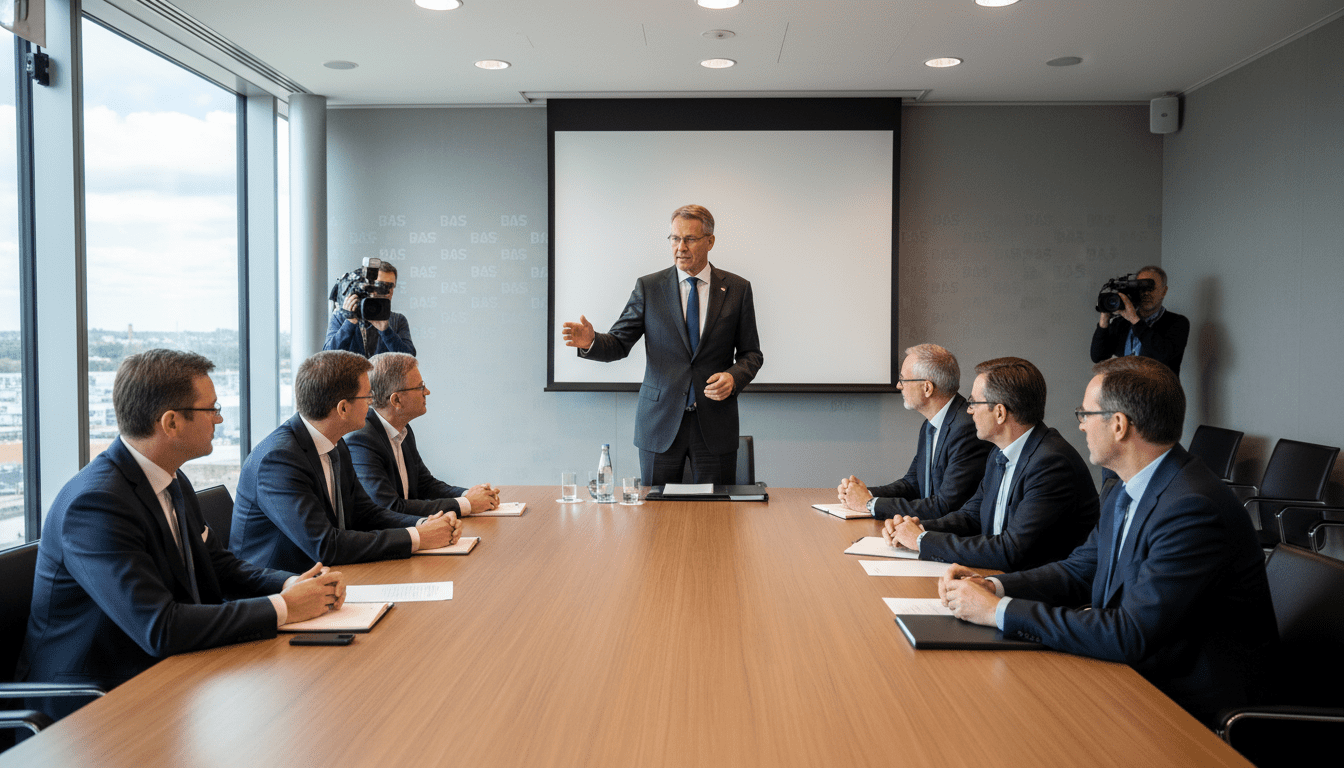
BASF on Wednesday unveiled a broad cost-reduction programme called CoreShift that seeks to lower cash-based fixed costs in its core businesses by up to 20% by 2029 compared with 2024 levels. The initiative, announced by CEO Markus Kamieth, targets extensive operational changes across Chemicals, Materials, Industrial Solutions and Nutrition & Care and makes clear that personnel savings will be a major pillar of the plan. BASF named Julia Raquet to lead the programme, signalling a company-wide effort that includes restructuring at the Ludwigshafen site and a reorganisation of global service functions.
CoreShift aims to cut 20% of cash-based fixed costs by 2029
CoreShift is designed to reduce cash-relevant fixed costs in BASF’s core operations by as much as one fifth relative to 2024. The company said the measures will be implemented gradually through to 2029 and will focus on driving competitiveness and profitable growth. Management framed the target as a structural reset of the company’s cost base rather than a short-term efficiency drive.
Kamieth warns of staff reductions as part of optimisation
CEO Markus Kamieth told the Handelsblatt that CoreShift is “one of the largest optimisation programmes for BASF” and will create a leaner core business with fewer employees. He and the company have acknowledged that personnel costs represent a significant share of the targeted savings and that the programme will therefore lead to further workforce reductions. BASF said it will enter talks with employee representatives as it develops concrete measures and timelines.
Core business scope and recent divestments detailed
BASF defined its core business as the four segments Chemicals, Materials, Industrial Solutions and Nutrition & Care, which together generate roughly €40 billion in annual sales. The company has already pared non-core assets in recent years, selling a majority stake in its paints business in 2025 to a financial investor and preparing its agricultural solutions arm for a public listing with a minority stake expected next year. Management emphasised that CoreShift is intended to concentrate resources on these core segments.
Ludwigshafen overhaul covers the company’s largest production hub
The CoreShift plan includes a substantial reorganisation of BASF’s largest production site at the Ludwigshafen headquarters, home to about 30,000 employees. Company statements indicate the site will be reconfigured to simplify core operations and improve competitiveness, though BASF has not yet specified which plants or units will be affected. The scale of the Ludwigshafen measures underscores the programme’s ambition to change how the company manufactures and delivers products globally.
Global Services realignment may shift roles to India
As part of the reorientation, BASF intends to reposition its worldwide service units to align better with the streamlined core business. Reports indicate that some roles currently based in Berlin within BASF Global Services could be relocated to India, a move aimed at consolidating back-office functions and reducing costs. BASF employs about 8,500 people in its Global Services unit in Berlin, but the company has said the exact number of roles that could be moved is not yet determined.
Julia Raquet to steer implementation of CoreShift
Julia Raquet, who previously led BASF’s Europe business, was appointed to manage execution of the CoreShift programme and will report directly to CEO Kamieth. Raquet described simplifying the structure of the core businesses as “decisive to ensure the highest competitiveness and drive profitable growth.” Her role will include coordinating operational changes, overseeing the Ludwigshafen reconfiguration and negotiating with employee representatives and unions where necessary.
Operational and stakeholder details remain to be finalised, and BASF said it intends to carry out the programme while complying with local labour laws and consultation requirements. The company’s statements signal phased implementation, with management promising to provide updates as specific measures and impacts are defined.
The coming months will see BASF and its employee representatives enter detailed talks about timelines, social safeguards and the scope of relocations or redundancies. Investors and industry analysts will closely watch the company’s disclosures on expected savings, implementation costs and the effect on production capacity as CoreShift moves from strategic announcement to operational reality.
