
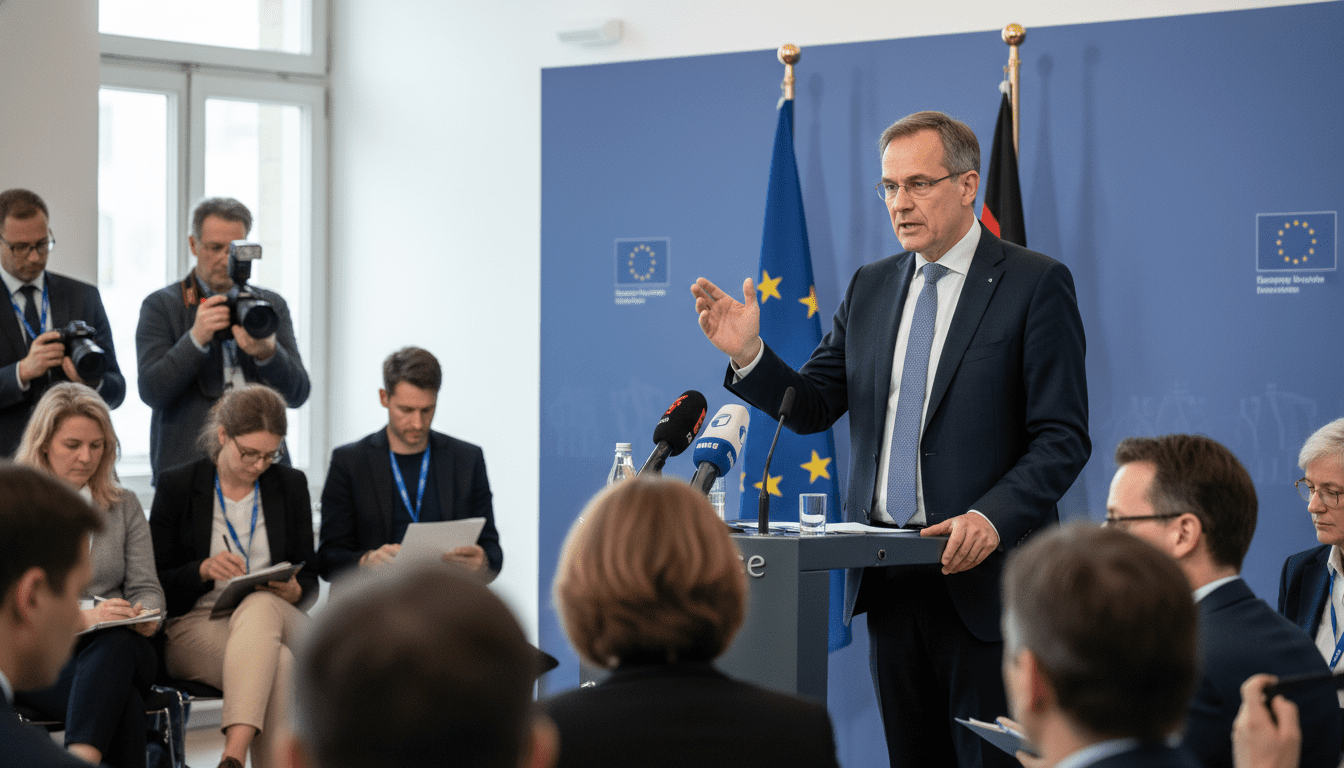
Achim Truger Rejects Calls for Sweeping Social Reforms, Warns Against Pension and Care Cuts
Achim Truger rejects recent calls for sweeping social reforms from the Council of Economic Experts, saying cuts to pensions and long-term care would imperil vulnerable groups and strain an economy still reeling from external shocks.
Truger’s Central Objection
The economist Achim Truger told reporters that the reform debate has been steered toward austerity rather than realistic solutions. He argued that placing the burden of adjustment on pensioners and care recipients would be both socially unjust and economically counterproductive. Truger emphasized that the economy is coping with external shocks that reduce the capacity to absorb blunt fiscal retrenchment.
External Shocks and Economic Context
Truger pointed to global supply disruptions, energy market volatility, and lingering pandemic effects as factors that constrain growth and public finances. He warned that framing social spending as the primary problem ignores these structural pressures on productivity and demand. According to Truger, reforms should account for cyclical weakness and uncertainty rather than forcing rapid benefit cuts.
Risks of Cutting Pensions and Care
Truger specifically cautioned against reductions in pension and long-term care spending, arguing such measures would increase poverty among the elderly and dependents. He said cuts would shift costs to families and health systems, creating hidden fiscal and social liabilities. Truger called for protecting the poorest while seeking efficiency improvements elsewhere in the system.
Alternative Uses for the Special Fund
On the question of Germany’s special fund (Sondervermögen), Truger urged a reorientation toward investments that strengthen resilience and growth. He proposed directing resources to digital infrastructure, care workforce expansion, and energy transition projects that have clear multiplier effects. Truger argued that using the fund for short-term deficit reduction would squander an opportunity to address underlying structural weaknesses.
Calls for Differentiated Social Policy
Truger advocated for a more nuanced approach to social policy that distinguishes between universal benefits and targeted support. He recommended reforms designed to tighten incentives where appropriate while expanding services for care-dependent people. The economist emphasized that policy design must prioritize dignity and access for those with the greatest need, especially in long-term care settings.
Political and Stakeholder Reactions Anticipated
Observers expect Truger’s intervention to sharpen debate ahead of any parliamentary consideration of social policy changes. Parties on the center-left welcomed his warnings about social harm, while proponents of cost containment signaled they would press for structural reforms in pensions and care financing. Interest groups representing the elderly and care professionals said Truger’s remarks mirror their fears about austerity-driven proposals.
Truger also urged policymakers to adopt a medium-term perspective, combining fiscal prudence with strategic public investment. He stressed that credible reform packages should bolster demand, protect vulnerable populations, and lay the groundwork for sustainable growth. The economist concluded that balancing these objectives will require careful sequencing and transparent public communication.
The coming weeks will likely see increased scrutiny of detailed reform proposals and of proposals for the Sondervermögen, as lawmakers weigh short-term fiscal signals against longer-term social outcomes.
