
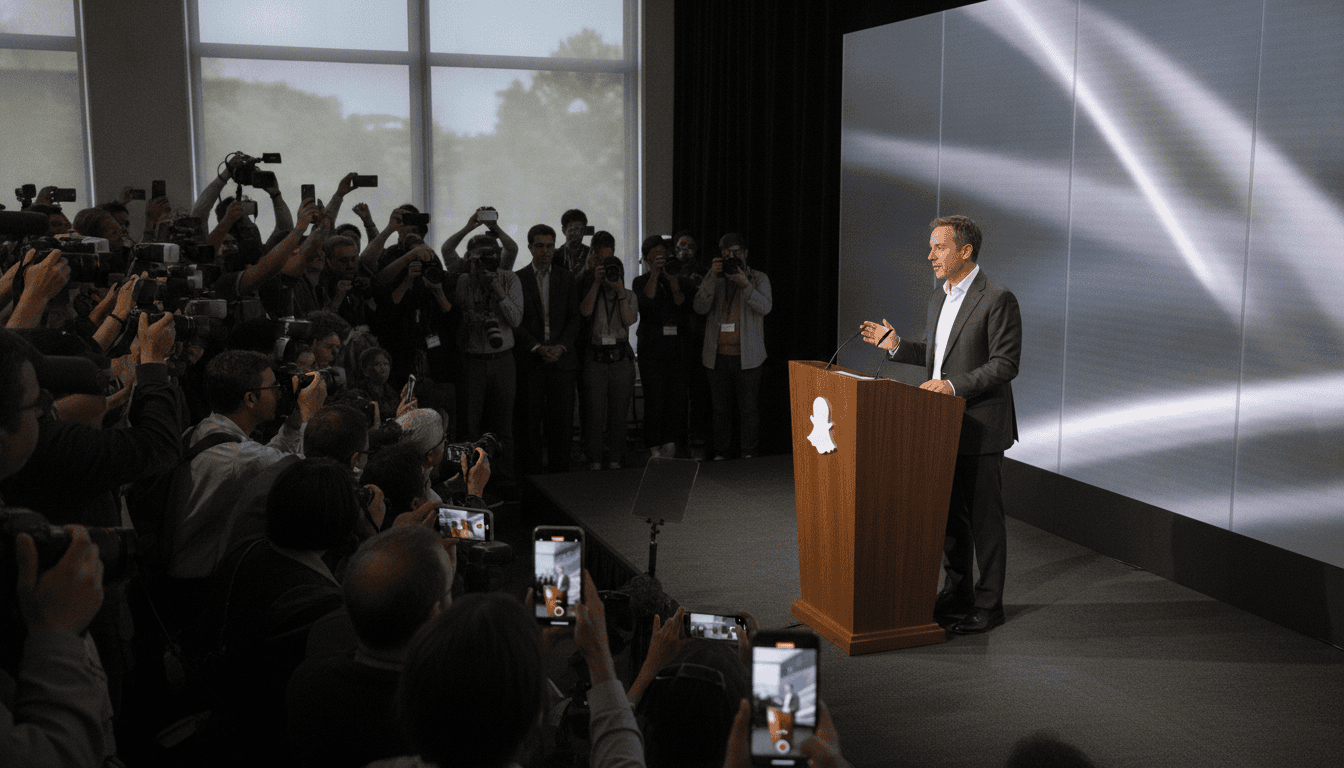
Snapchat Bans Rewards for AI-Generated Videos on Spotlight
Snapchat will stop promoting fully AI-generated videos on Spotlight, prioritizing human-made content while still allowing AI tools for editing and enhancement.
Snapchat removes rewards for fully AI-generated videos
Snapchat announced on July 31, 2026, that fully AI-generated videos will no longer be eligible for Spotlight recommendations or rewards. The company said the change is intended to keep Spotlight focused on “authentic creativity” from real people and to surface original perspectives and personal storytelling.
The update changes how Snapchat’s recommendation systems evaluate submissions, with algorithms adjusted to favor content demonstrably created by humans. The company emphasized that this is a restriction on eligibility for Spotlight promotion and not an outright ban on the use of AI-assisted features.
Details of the Spotlight eligibility change
Under the new policy, videos that are produced entirely by generative AI will be deprioritized and excluded from Spotlight’s recommendation funnel. Snapchat explained the technical and policy shift as a way to preserve the platform’s value proposition as a discovery space for human voices.
Creators are still able to use Snapchat’s own AI creative tools, provided the final clip retains clear human authorship or originates from a human-created recording. Snapchat framed the decision as a distinction between enhancement and replacement of human-created work.
Company rationale and earlier moves this year
Snapchat said the move responds to a growing volume of low-quality, repetitive AI-generated material that users and creators have criticized. The company pointed to its April 2026 efforts to show less AI-generated content in users’ feeds as part of a broader course correction.
Snap’s statement framed the change as protecting the durability of original creative expression, while maintaining the ability for creators to polish or edit content with AI tools. The company positioned the policy as balancing innovation with curation standards.
Industry context: platforms responding to “AI slop”
Snapchat’s decision follows similar actions across social platforms this month aimed at curbing what some industry players call “AI slop”—low-value, mass-produced AI content. LinkedIn rolled out a report option labeled “seems like AI slop” on July 30, 2026, to let users flag suspected AI-generated posts.
Other companies have moved to identify or limit AI-produced material; Substack introduced a tool on July 22, 2026, to help readers detect AI-written newsletters, while YouTube clarified monetization rules on July 20, 2026, to exclude inauthentic or template-style AI content from revenue sharing. These shifts reflect growing platform-level efforts to maintain trust and content quality.
Recent enforcement and safety measures affecting younger users
Snapchat has also taken steps this year to tighten controls for underage users. On June 10, 2026, the platform limited Spotlight sharing for 13- to 15-year-olds so they can only post Spotlight videos to people who follow them back. That change was positioned as a measure to reduce risks such as doxxing and unwanted exposure.
The combined policy updates show Snapchat pursuing both content quality and user safety objectives, applying different tools depending on the risk profile and audience of the content or user.
What creators and publishers should do next
Creators who rely on AI-assisted production should document and preserve evidence of human involvement in final videos if they want Spotlight eligibility. Simple practices include recording original footage, annotating edits, and clearly integrating a human-centered narrative into clips.
Publishers and creators who distribute high volumes of AI-assisted material may need to review their workflows to avoid exclusion from recommendation-driven distribution. Platforms are signaling that discoverability will increasingly favor content with verifiable human creative input.
Snapchat’s shift is notable for drawing a clearer line between using AI as a tool versus using AI to fully fabricate posts intended for broad recommendation. As platforms refine curation rules, creators will need to adapt to maintain visibility and monetization.
The broader trend suggests social networks will continue to experiment with detection, reporting, and eligibility mechanisms to limit low-quality generative content while preserving useful AI tools for creative editing and enhancement.
