
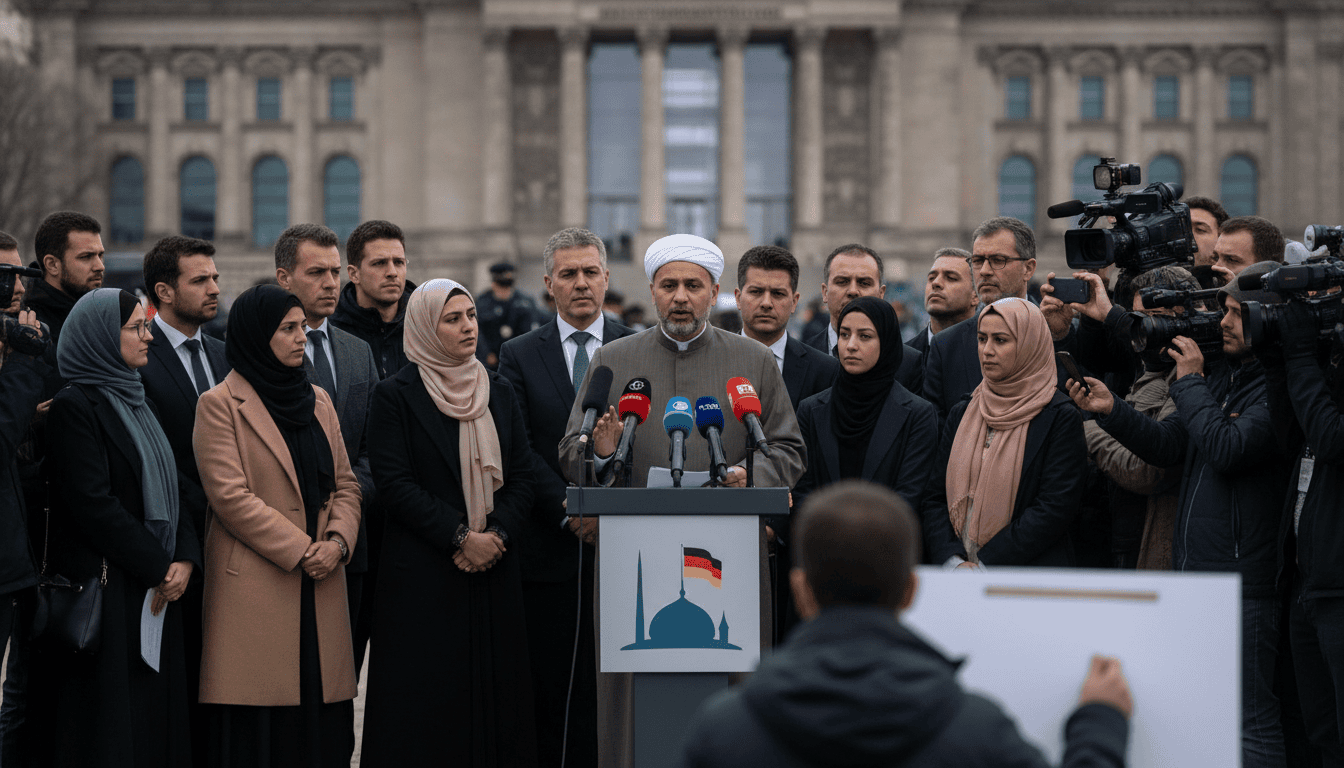
CSD Attack Rekindles Debate Over Islam in Germany and Institutional Responsibilities
Berlin CSD attack revives debate over Islam in Germany, highlighting fragmented representation, rising antisemitism and the role of imam training in prevention.
The recent attack on the Christopher Street Day parade in Berlin has reopened long-standing questions about Islam in Germany, drawing renewed attention to representation, radicalization and the role of major Muslim organizations. Public demands for clarification from religious associations and political leaders have intensified, with DITIB among those asked to explain and condemn the violence. The episode has underscored how episodes of violence again make Islam a focal point of public security and social cohesion debates.
Security Concerns after 9/11 and the Creation of a Dialogue Forum
The security-driven framing of Islam in Germany dates back to the shock of the September 11, 2001 attacks, when officials and the public began asking who preaches in mosques and what beliefs guide Muslim communities. In response, the federal government established the German Islam Conference in 2006 to create structured dialogue between state institutions and Muslim actors. Two decades on, observers say progress has been limited and the conference often only draws attention when incidents force the issue back into the headlines.
The tension that launched this public effort remains: how to avoid automatic suspicion while maintaining rigorous oversight of potential security threats. Authorities and civil society continue to wrestle with how to balance civil liberties with preventive measures, and how to sustain a constructive exchange with the diverse Muslim communities that exist across the country.
Fragmented Representation Among Nearly Seven Million Muslims
One of the core problems identified by analysts is the absence of a single, unified representative body for roughly seven million Muslims in Germany. Unlike the Christian churches, which possess institutional forms recognized under the constitution, Muslim life in Germany is organized across a wide and often opaque landscape of associations and local communities. This fragmentation complicates efforts by policymakers to engage in comprehensive, representative dialogue.
Estimates suggest that while a large portion of Muslims in Germany identify as religious, only about a third are closely associated with traditionally organized Islam associations. That gap leaves many mosques and grassroots communities outside formal representative channels, making it harder to identify who can speak legitimately for whom when incidents occur and public statements are demanded.
Distinguishing Extremists from Devout Conservatives
Security services and community leaders draw a clear distinction between the violent or inciting fringes and devout Muslims who adhere to traditional interpretations while accepting constitutional norms. At the hard edge, violent Islamist actors promote hatred and physical attack; in the so‑called gray zone, conservative movements such as those influenced by legalist Islamist strands seek to reshape social norms toward illiberal outcomes. Those groups are criticized for promoting antisemitism and hostility toward LGBTQ+ communities.
The political and societal challenge lies in separating these actors from practicing Muslims who are devout but operate within Germany’s legal and democratic framework. A plural society must tolerate differences in belief, yet it also expects public rejection of hate and violence; drawing that line remains difficult and often contested.
Dialogues Strained by International Conflict and Rising Antisemitism
Efforts at interfaith and civic dialogue have been further strained by international events, notably the Hamas attack on Israel on October 7, 2023 and the ensuing conflict. The violence and the resulting polarization have poisoned public debate and raised questions about loyalties, leading to a notable uptick in antisemitic incidents domestically. These developments placed additional pressure on Islamic associations and weakened channels of communication with churches and other civic actors.
Political engagement with Islam policy has cooled as many elected officials avoid contentious debates they see as politically risky. The German Islam Conference, once a central forum, has reportedly receded into a quieter role under recent administrations, with meetings and preparatory work sometimes taking place behind closed doors and away from public scrutiny.
Public Expectations and Responses from Muslim Associations
Following the CSD attack, political and civic leaders turned to leading Islamic organizations for clear condemnations and contextual explanations. The federal board of DITIB, an association with institutional ties to Turkey, publicly denounced the attack and stated that such acts contradict the core values of their faith and the principles of Germany’s democratic order. For some critics, however, such statements are judged insufficient unless they explicitly name homophobia or queer‑phobia as motivating factors.
Voices such as Baden‑Württemberg’s minister-president have demanded unequivocal language from Islam associations to ensure motives are clear and to allow for appropriate societal response. That demand reflects a wider expectation that organized Muslim bodies should play a visible role in challenging hate and aligning communal teaching with constitutional protections.
State Support for Imam Training as a Preventive Measure
Given the institutional gaps, the government has continued to support practical measures that aim to reduce radicalization and improve oversight, notably through funding imam training programs. Advocates argue that supporting training within established associations is a pragmatic way to reach communities, influence religious teaching and counteract extremist content that circulates on social media platforms. Such investments are presented as a form of prevention that complements security efforts.
Critics caution that support must be tied to transparency and to curricula that uphold constitutional values, while proponents stress the difficulty of engaging communities without recognizing the existing organizational infrastructure. The debate underscores a persistent dilemma: how to work with the Islamic actors that are present while encouraging pluralism and liberal civic norms.
The CSD attack has reopened familiar debates about Islam in Germany, but it has also clarified practical priorities for authorities and communities: strengthen local relationships, demand clear condemnations of hate, and invest in education and oversight where institutional gaps leave citizens vulnerable.
