
UEFA Threatens FIFA Boycott Amid Power Struggle; Europe Faces Heatwave, Wildfires and Economic Shifts
UEFA threatens FIFA boycott over proposed World Cup investor sales as European associations prepare maximum escalation; simultaneous heatwave and wildfires strain emergency services. The move by UEFA’s 55 national associations escalates a dispute with FIFA president Gianni Infantino that could reshape international tournament participation. Other developments across Europe include a deadly summer heatwave in Germany, fresh wildfires in the Mediterranean, a sharp earnings drop at BMW and a cautious recovery for Deutsche Bahn.
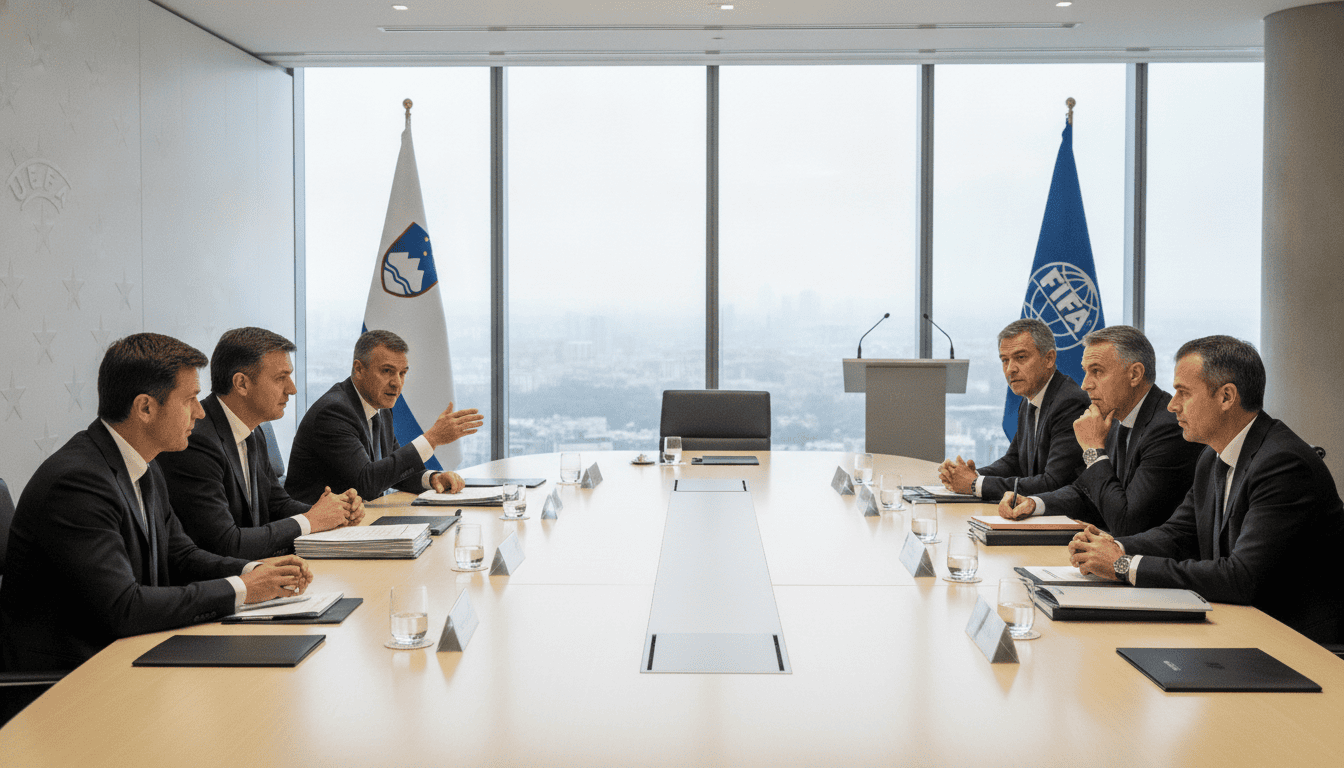
UEFA’s emergency vote and the boycott threat
UEFA’s assembly of all 55 national associations held an urgent session to consider contingency measures after proposals surfaced to sell parts of the World Cup to external investors. Delegates agreed that a boycott of FIFA tournaments would be considered should FIFA press ahead with plans that national associations view as ceding commercial control over the competition.
The decision frames a constitutional and commercial clash at the heart of world football, with member associations warning of “maximum escalation” if formal sale or partial privatization moves forward. The ultimatum puts pressure on FIFA leadership to either abandon or significantly revise any investor-sale proposals to avoid a rift that could affect future World Cups and related events.
Infantino’s proposal and FIFA’s position
FIFA President Gianni Infantino has argued that new financing models could unlock investment for growth and global expansion of the World Cup, an approach some stakeholders regard as necessary to keep pace with commercial demands. Critics within UEFA and several national federations counter that selling tournament rights to private investors would undermine the sport’s governance and jeopardize competitive integrity.
The dispute highlights growing tensions over revenue distribution, broadcasting rights and the governance of international competitions. Legal and financial advisers to multiple associations have begun preparing scenarios for how a boycott would be implemented and what it would mean for player eligibility and continental qualification pathways.
Heatwave peaks in Germany with thousands of excess deaths
Public health authorities reported that this year’s prolonged heatwave reached its peak in July, with the Robert Koch Institute estimating nearly 10,000 heat-related deaths across Germany so far. The German Weather Service documented an unusually warm July that intensified risks for older residents and people with chronic conditions, prompting repeated warnings from health officials.
Hospitals and care facilities increased staffing and adapted cooling measures as authorities urged citizens to limit exposure during peak heat hours. Municipalities in hard-hit regions opened cooling centers and mobilized outreach to vulnerable populations, while researchers called for stronger long-term adaptation strategies to protect public health as extreme temperatures grow more frequent.
Wildfires flare across Southern Europe, emergency services respond
Firefighters in Spain and France reported localized improvements that allowed some evacuees to return home, but new blazes emerged across the region, including on the island of Crete where crews battled flames amid strong gusts. Authorities also confirmed ongoing fires in parts of Turkey, emphasizing that the window of elevated risk remains open while weather conditions and fuel loads persist.
Emergency planners warned that shifting winds and dry vegetation could trigger rapid changes in fire behavior, necessitating sustained vigilance and cross-border coordination. European governments continued to deploy aerial and ground firefighting resources, and some localities implemented temporary restrictions to reduce ignition risks.
BMW’s quarterly profit slump and workforce adjustments
Munich-based BMW reported a steep decline in second-quarter profit after tax, with net earnings falling to approximately €1.2 billion—about 35 percent below the prior year—while revenues also weakened. The results followed the company’s announcement of a workforce reduction program the day before, a move executives said was aimed at restoring competitiveness amid margin pressures.
Analysts noted that a combination of softer demand, higher costs and ongoing shifts in the automotive sector weighed on results across manufacturers. BMW said it would pursue cost optimization and product strategy adjustments to stabilize margins while continuing investment in electric vehicles and technology.
Deutsche Bahn returns to profit but faces punctuality scrutiny
Germany’s national rail operator reported a return to profitability after a period of losses, driven by increased passenger volumes across regional and long-distance services. Despite the improved financials, Transport Minister Steffen Bilger and other officials stressed that operational performance, particularly long-distance punctuality, remains a concern with punctuality metrics lagging year-on-year.
The ministry is pressing Deutsche Bahn for a clear improvement plan that balances financial sustainability with service reliability, citing passenger dissatisfaction and the system’s role in national mobility goals. Management acknowledged the need for targeted investments in infrastructure and scheduling to meet expectations.
EU policy tighter for military-age Ukrainian men amid conflict
The European Union introduced adjustments that make it more difficult for military-age Ukrainian men to benefit from simplified admission rules in some member states, a change aimed at aligning asylum and migration procedures with security considerations. The moves come as the conflict in Ukraine continues to generate displacement, and as member states assess domestic responsibilities and legal frameworks.
Advocates and local organizations cautioned that policy shifts require careful implementation to ensure humanitarian protection for civilians while addressing security and administrative concerns. Educational and integration efforts for displaced Ukrainian youths continued, with some students achieving qualifications such as the German Abitur despite disrupted school careers.
Across the fast-moving headlines, the common thread is strain on institutions—sporting bodies, public health systems, emergency services and major corporations—testing governance and resilience across Europe. As UEFA’s confrontation with FIFA unfolds, governments and organizations are simultaneously grappling with climate-driven crises and economic adjustments that will shape policy debates in the months ahead.
